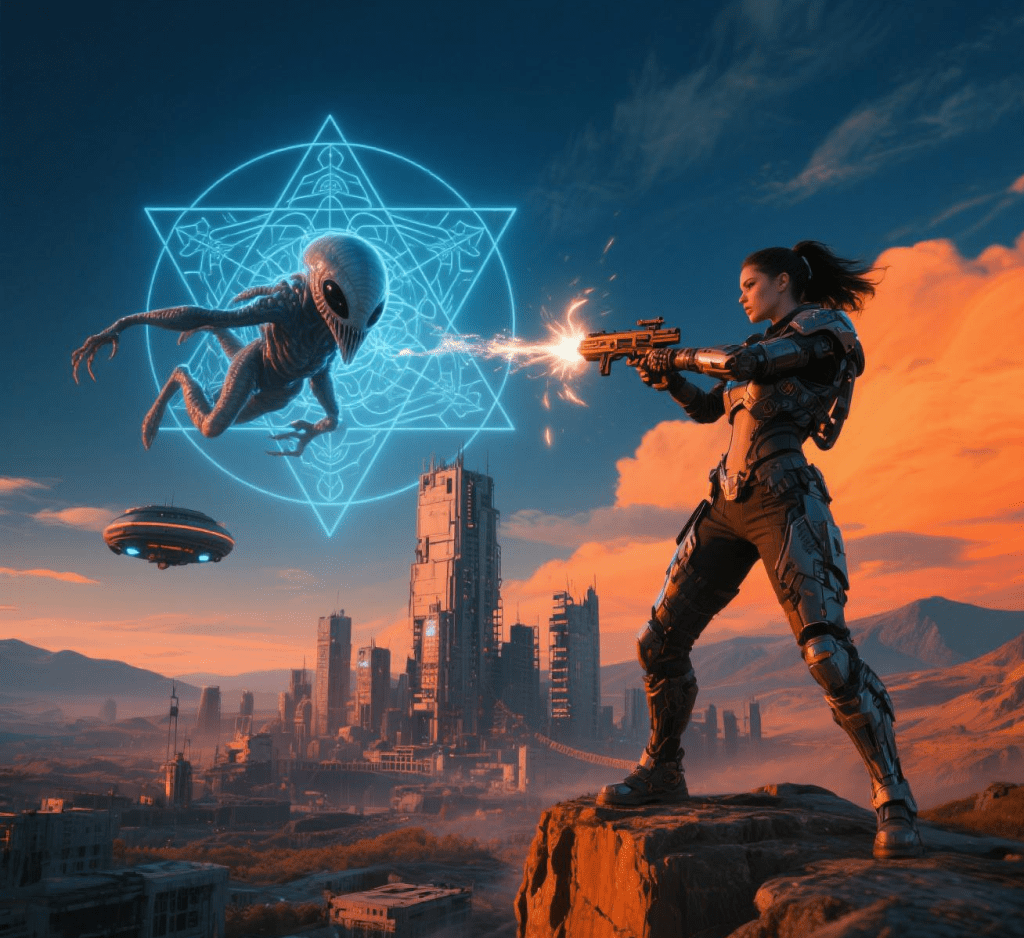
CGI Technology Explained

What is CGI?


CGI, or Computer-Generated Imagery, refers to the creation of digital visuals, characters, environments, or effects using computer software. It’s widely used in films, TV, video games, and advertising to produce realistic or fantastical elements that are impossible, impractical, or too costly to capture with traditional filming techniques.

Futuristic World Builders

How CGI Works:

1.   Concept and Previsualization: Artists and directors conceptualize the visuals, often creating storyboards or rough digital sketches (previs) to plan scenes.

2.  Modeling: 3D artists use software (e.g., Autodesk Maya, Blender) to build digital models of characters, objects, or environments, defining their shape, texture, and structure.

3.  Texturing and Shading: Textures (e.g., skin, metal, or landscapes) are applied to models, with shaders determining how surfaces interact with light for realism.

4. Rigging and Animation: Digital skeletons (rigs) are created for characters or objects, allowing animators to manipulate them for movement, expressions, or actions.

5. Rendering: Powerful computers process the models, textures, lighting, and animations to produce the final image or sequence. This step can be computationally intensive, often requiring render farms (networks of computers).

6. Compositing: CGI elements are integrated with live-action footage using software like Adobe After Effects or Nuke, ensuring seamless blending.

7. Post-Production: Final touches, like color grading or additional effects (e.g., explosions, weather), are added to polish the visuals.
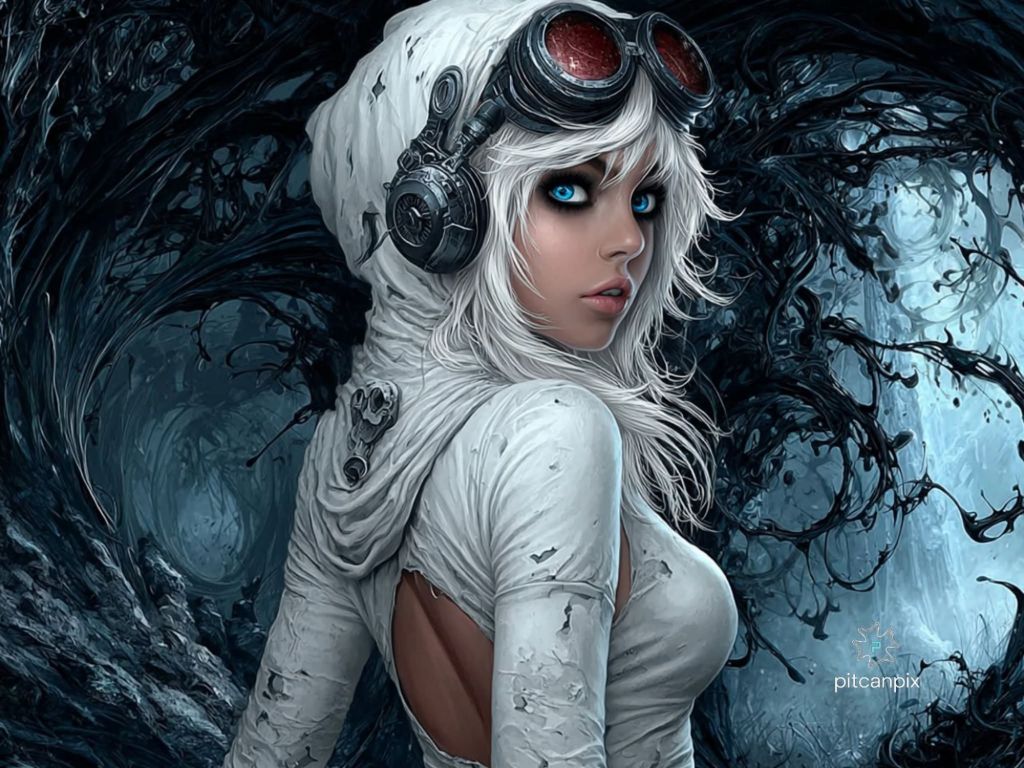
Futuristic World Builders

Key Technologies and Tools:

  • Software: Maya, 3ds Max, Blender, Houdini (for simulations like fire or water), and Unreal Engine (for real-time rendering).
  • Hardware: High-performance GPUs, render farms, and motion capture systems to record real-world movements for digital characters.
  • Techniques
    • Motion Capture: Tracks actors’ movements to animate digital characters (e.g., Gollum in The Lord of the Rings).
    • Particle Systems: Simulate natural phenomena like smoke, fire, or crowds.
    • Ray Tracing: Creates realistic lighting and reflections for lifelike visuals.
    • Real-Time Rendering: Used in modern films and games for instant visual feedback, as seen in The Mandalorian’s virtual sets (via Unreal Engine).
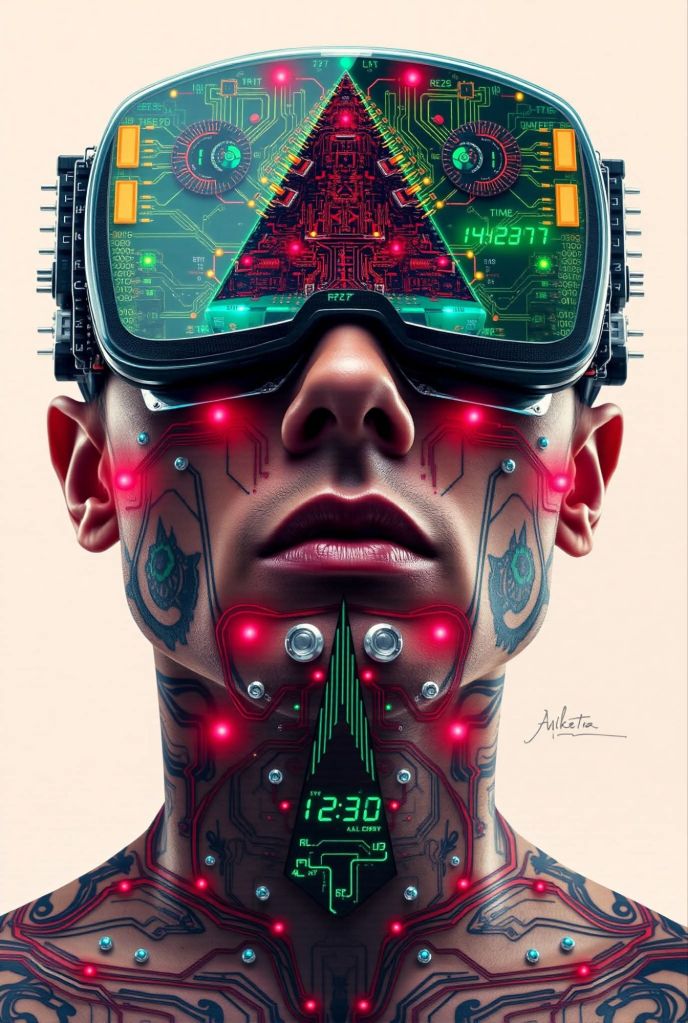
Futuristic World Builders

Applications in Film (Relevant to Montana Mischief):

For a futuristic action film like Montana Mischief, CGI would be critical for:

  • Crafting dystopian Montana Mischief landscapes with sprawling cyber-cities or desolate wastelands.
  • Designing futuristic vehicles, weapons, or robotic characters.
  • Simulating large-scale action sequences, like explosions or aerial battles, safely and cost-effectively.
  • Creating immersive IMAX-ready visuals with hyper-realistic details to captivate global audiences.
“CGI brings Montana Mischief to life: Crafting dystopian worlds, alien threats and heroic moments”

Advantages:
Enables limitless creativity (e.g., alien worlds, epic battles).
Reduces costs for complex scenes compared to practical effects.
Enhances safety by replacing dangerous stunts with digital simulations.

Challenges:
High computational and time costs for rendering complex scenes.
Requires skilled artists, increasing production budgets.
Overuse can feel artificial if not balanced with practical effects or strong storytelling.
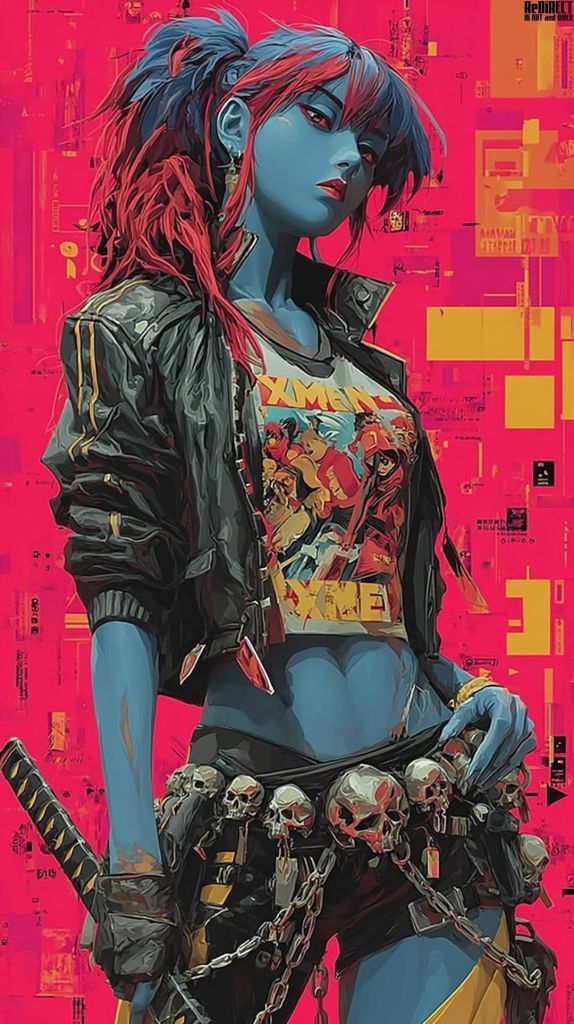
Futuristic World Builders

Current Trends (2025):


AI Integration: AI tools accelerate modeling, texturing, and animation by automating repetitive tasks.


Real-Time Rendering: Tools like Unreal Engine allow filmmakers to see CGI in real-time during production, cutting costs and time.


Virtual Production: LED walls (e.g., ILM’s StageCraft) project CGI environments on set, blending live-action and digital seamlessly.

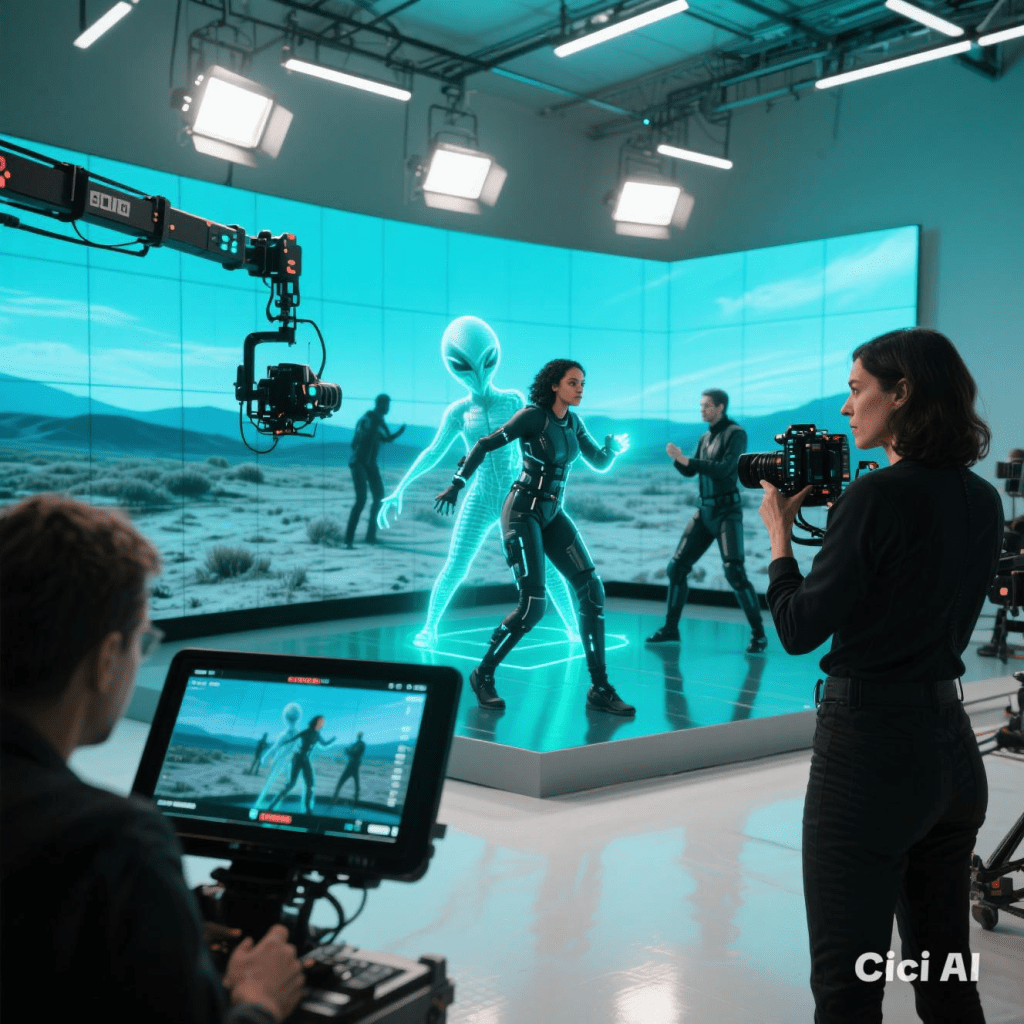
The Evolution of CGI in Film: From Pixelated Beginnings to Photorealistic Worlds

“The evolution of CGI: From pioneering effects to Montana Mischief’s cutting-edge visuals.”

Introduction

Computer-generated imagery (CGI) has revolutionized filmmaking, transforming how stories are told and worlds are built. From its humble beginnings in the 1970s to today’s hyper-realistic digital environments, CGI has pushed the boundaries of creativity. In this blog post, we’ll explore key milestones in CGI history and how they’ve shaped modern cinema.


The Early Days: 1970s – The Birth of Digital Effects

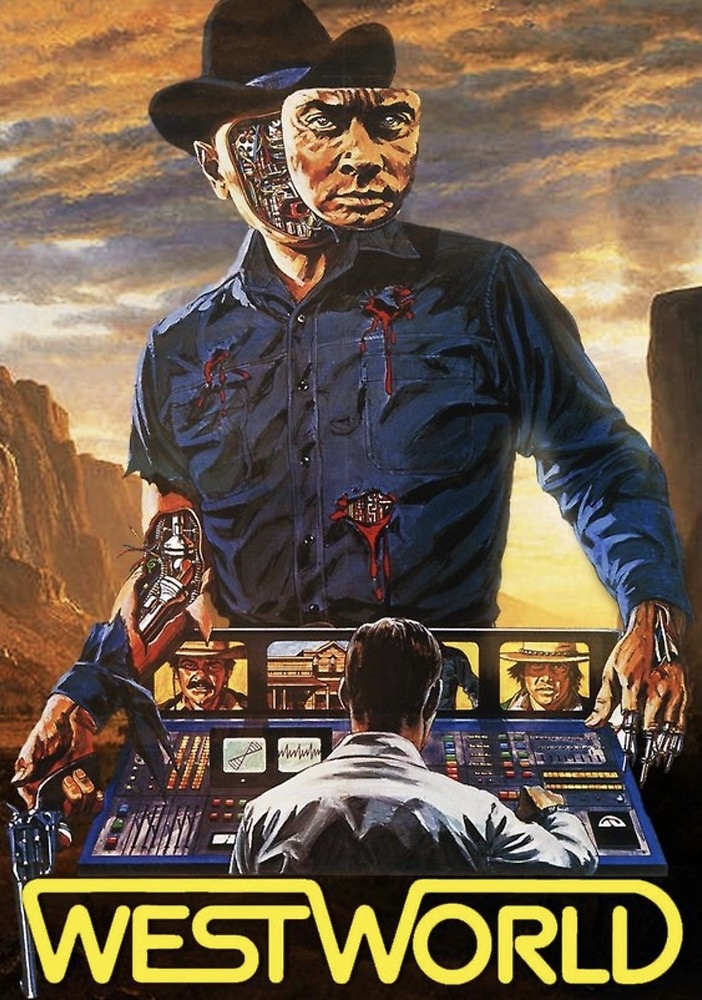
Key Film: Westworld (1973)
Breakthrough: First use of 2D CGI (pixelated POV from a robot’s vision).

Before Star Wars and Tron, Westworld introduced audiences to digital imagery with its robotic perspective—a simple but groundbreaking effect. This marked the beginning of filmmakers experimenting with computers to enhance storytelling.

The 1980s: CGI Goes Mainstream

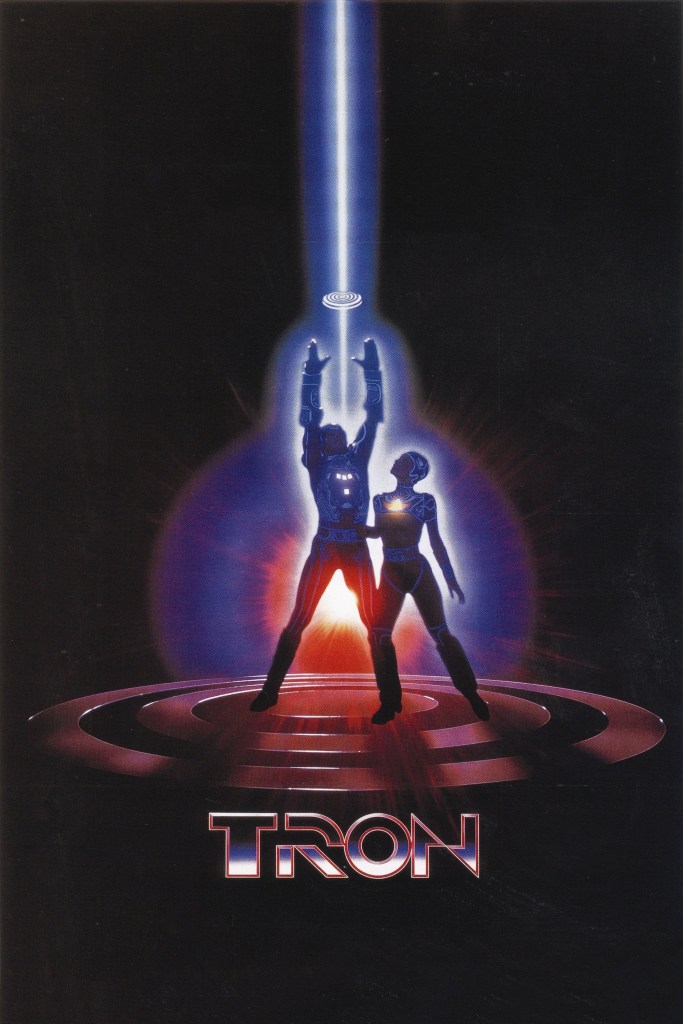
Key Film: Tron (1982)
Breakthrough: First extensive use of 3D wireframe graphics.

Disney’s Tron was a visual marvel, immersing viewers in a neon-lit digital world. Though primitive by today’s standards, its glowing grids and light cycles set the stage for future sci-fi films.

The 1990s: The Dawn of Photorealism

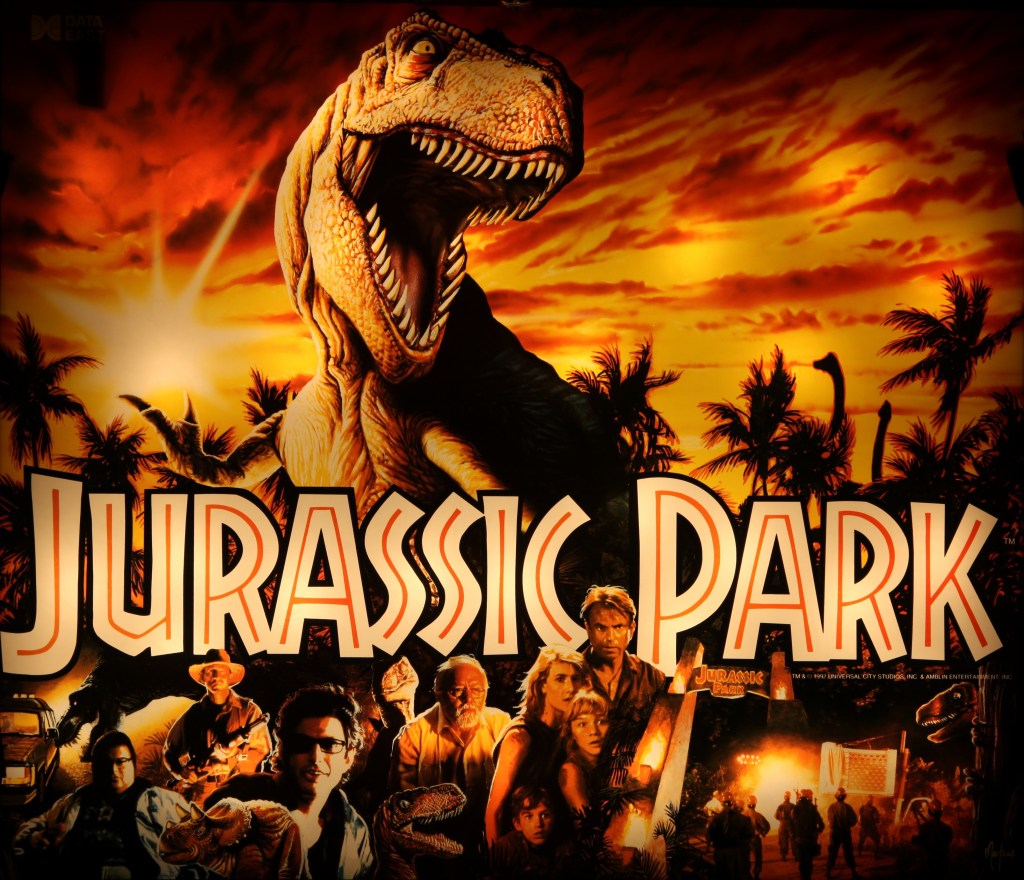
Key Film: Jurassic Park (1993)
Breakthrough: First realistic CGI creatures (dinosaurs blended with animatronics).

Steven Spielberg’s Jurassic Park changed everything. For the first time, CGI creatures looked real, thanks to breakthroughs in texture mapping and motion capture. The T-Rex and raptors remain iconic to this day.

The 2000s: The Rise of Fully Digital Worlds

Key Film: Avatar (2009)
Breakthrough: Fully immersive 3D environments and performance capture.

James Cameron’s Avatar wasn’t just a movie—it was an experience. Using revolutionary motion-capture technology, CGI created the lush, alien world of Pandora, making it the highest-grossing film of its time.


The 2020s and Beyond: Hyper-Realism and AI Integration

Key Example: Montana Mischief (Futuristic Concept)
Breakthrough: AI-assisted CGI, light-code effects, and virtual production.

Modern films and shows (The Mandalorian, Dune) use real-time CGI with LED walls (StageCraft) for seamless environments. Projects like Montana Mischief (a futuristic 3030 Awakening) push boundaries with alien landscapes and digital light effects.

Futuristic World Builders

The Future of CGI

  • AI-Generated Effects: Tools like Deep Learning can now enhance CGI faster.
  • Virtual Production: LED volumes (as seen in The Volume for The Mandalorian) reduce post-production time.
  • Metaverse & Film: CGI will play a huge role in interactive storytelling.
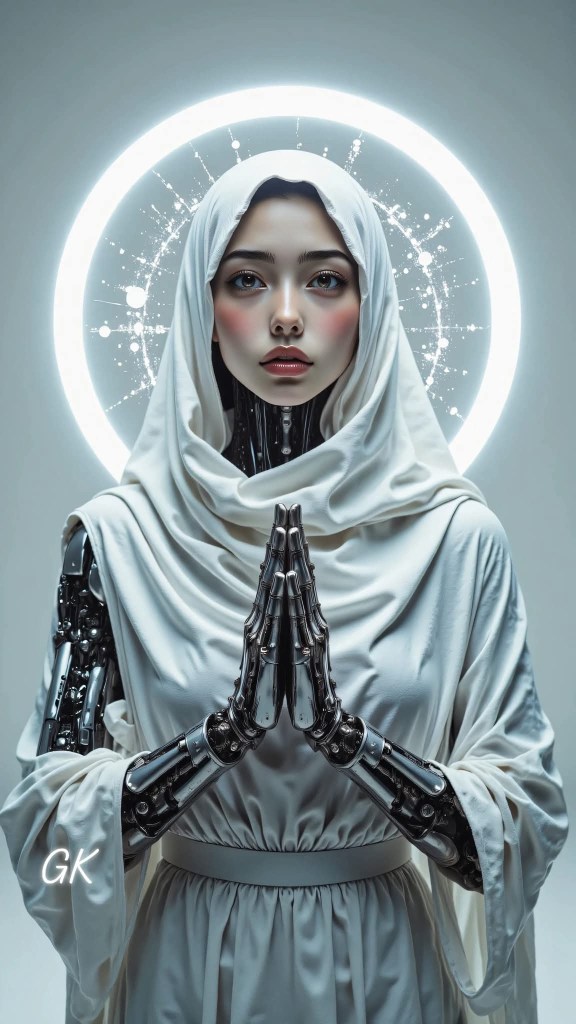
Futuristic World Builders

Conclusion

CGI has evolved from simple pixels to entire digital universes, forever changing cinema. As technology advances, filmmakers will continue to blend reality and imagination in ways we’ve never seen before.

What’s your favorite CGI moment in film history? Share in the comments!

#CGI #FilmHistory #VFX #MovieMagic #DigitalArt


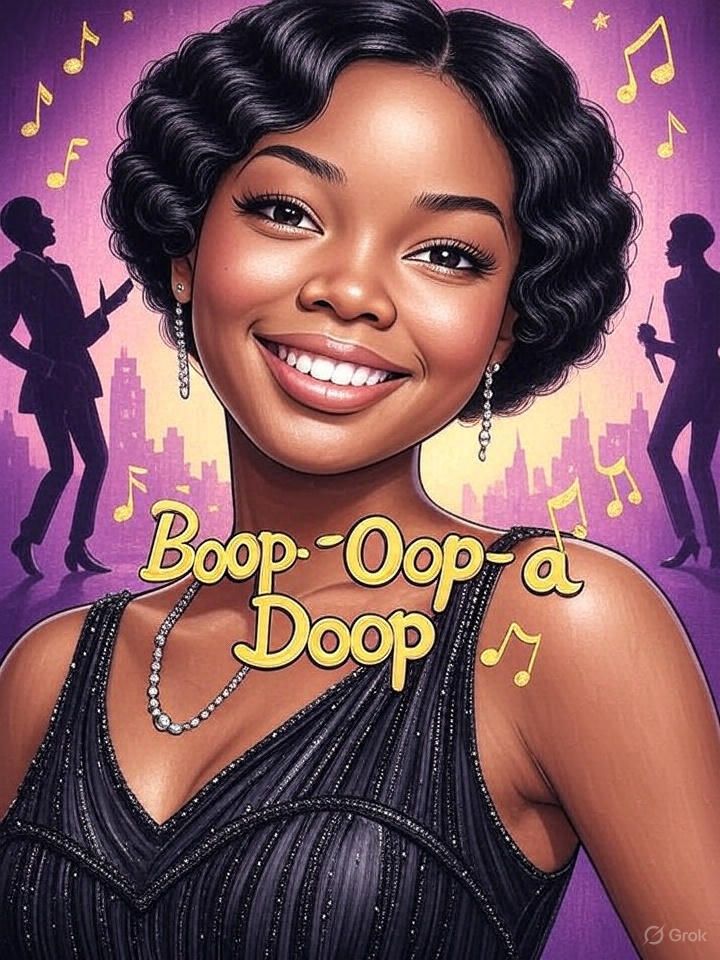
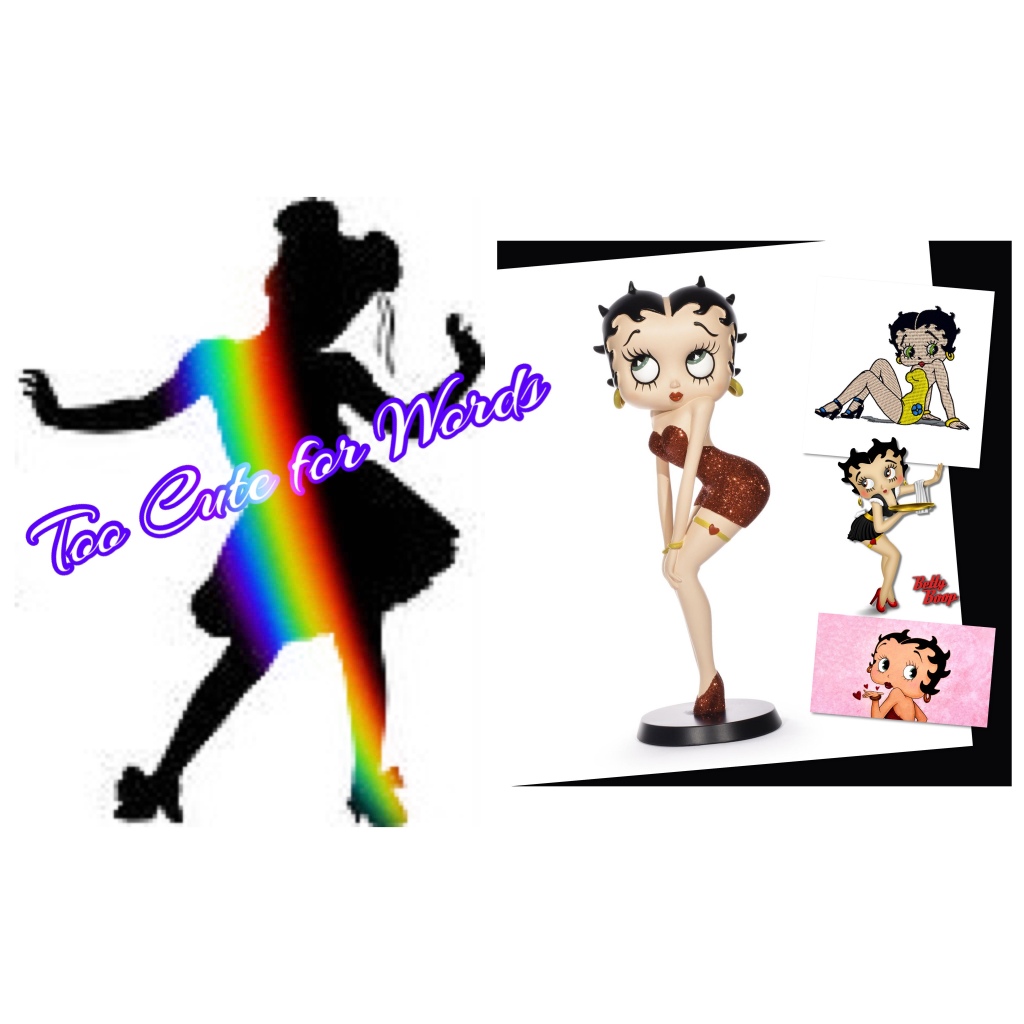
Too Cute for Words – The origins of the “Boop-Oop-a-Doop”

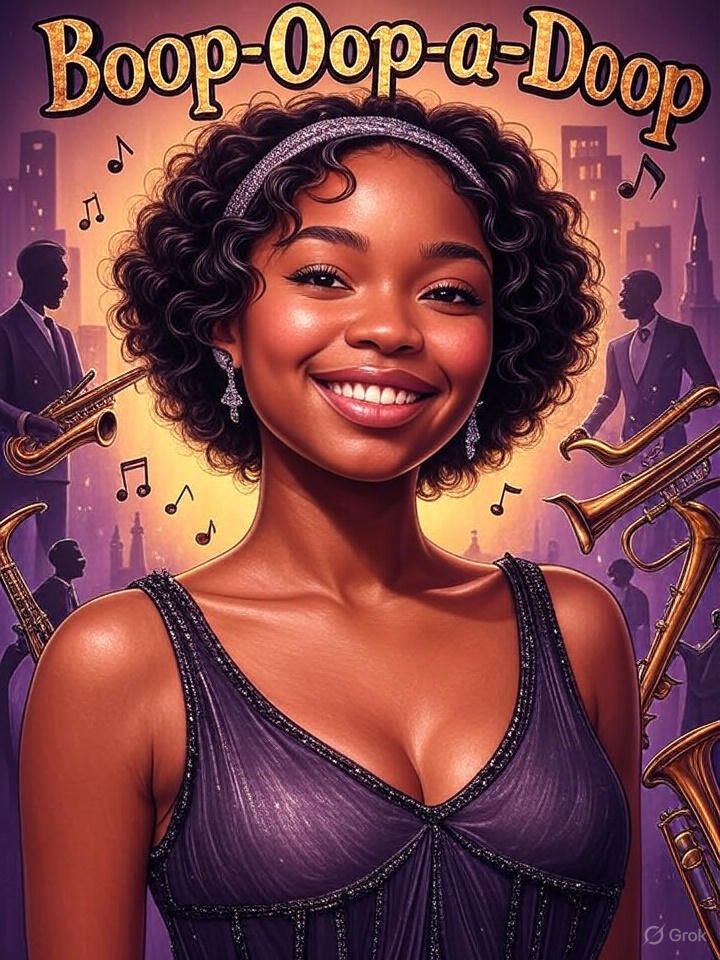
The Boop-Oop-a-Doop Mystery: Unraveling the True Star Behind Betty Boop’s Catchy Tune


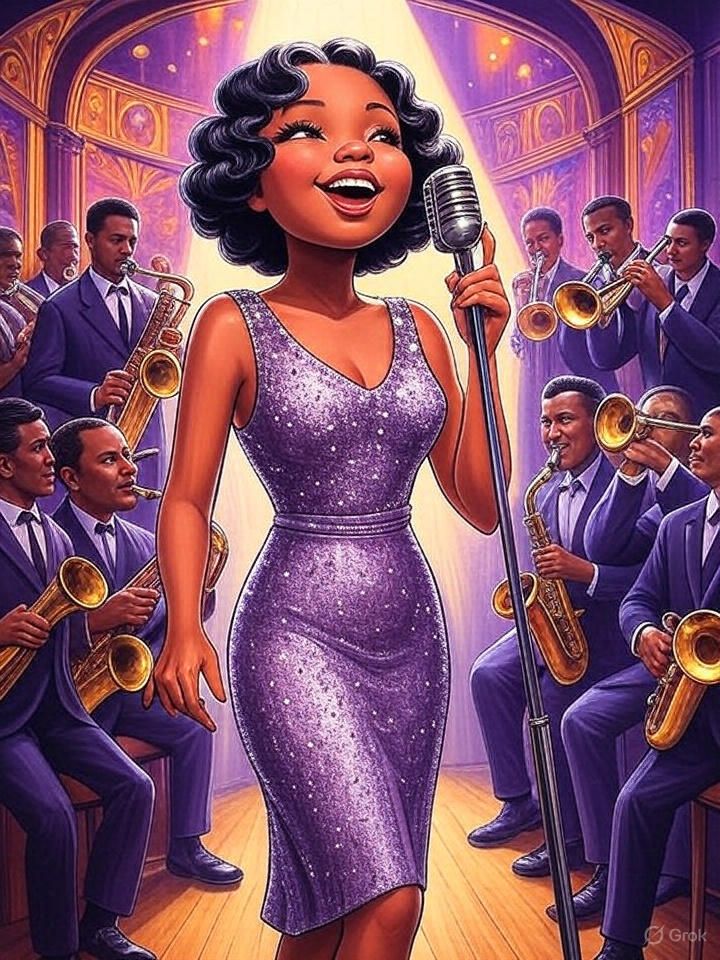
Picture this: a smoky 1920s jazz club, the air buzzing with syncopated rhythms and a singer belting out a playful “Boop-Oop-a-Doop!” that makes the crowd go wild. That’s not Betty Boop, the cartoon queen we all know, nor is it Helen Kane, the flapper who claimed the phrase. No, the real star of this story is Esther Jones—aka Baby Esther—a pint-sized powerhouse who set the stage for one of pop culture’s most iconic catchphrases.

Buckle up, because we’re diving into a tale of jazz, theft, and a long-overdue spotlight on a forgotten legend!

Scat’s Where It’s At: The Roots of “Boop-Oop-a-Doop”

Long before Betty Boop batted her cartoon lashes, scat singing was the hottest thing in jazz. This improvisational art form—think vocal acrobatics with nonsense syllables like “ba-da-bee” or “zippity-zow”—was born in the vibrant Black music scene of the early 20th century. Trailblazers like Edith Griffith, Mae Barnes, Florence Mills, and Gertrude Saunders were riffing with scat, turning simple syllables into musical magic.


Gertrude Saunders, a fierce rival of blues icon Bessie Smith, claimed she pioneered scat as early as 1921 in the all-Black Broadway hit Shuffle Along. In 1934, she didn’t mince words, calling out Helen Kane and the Betty Boop creators for swiping her style. “I did it first!” she declared, and she wasn’t wrong. But while Saunders laid the groundwork, another star was about to steal the show—and the phrase that would echo through history.

Enter Baby Esther: The Tiny Titan of Jazz

Cue the spotlight on Esther Jones, better known as Baby Esther, a child prodigy who could light up a stage like nobody’s business. Born around 1919, this pint-sized performer was barely out of pigtails when she started wowing audiences with her sassy dance moves and scat-singing flair.

By the late 1920s, she was a sensation, not just in the U.S. but across Europe—Paris, Stockholm, Berlin, Madrid—and even in Brazil and South America. Crowds couldn’t get enough of her infectious energy and that signature “Boop-Oop-a-Doop” she tossed into her songs like a musical cherry on top.


In 1928, a grainy sound film captured Esther belting out her scat-tastic phrase, a piece of evidence that would later blow the lid off the Betty Boop origin story. Esther wasn’t just a performer; she was a pioneer, and her voice was about to inspire one of the most famous cartoons ever—whether she got the credit or not.

Helen Kane and the Betty Boop Bombshell

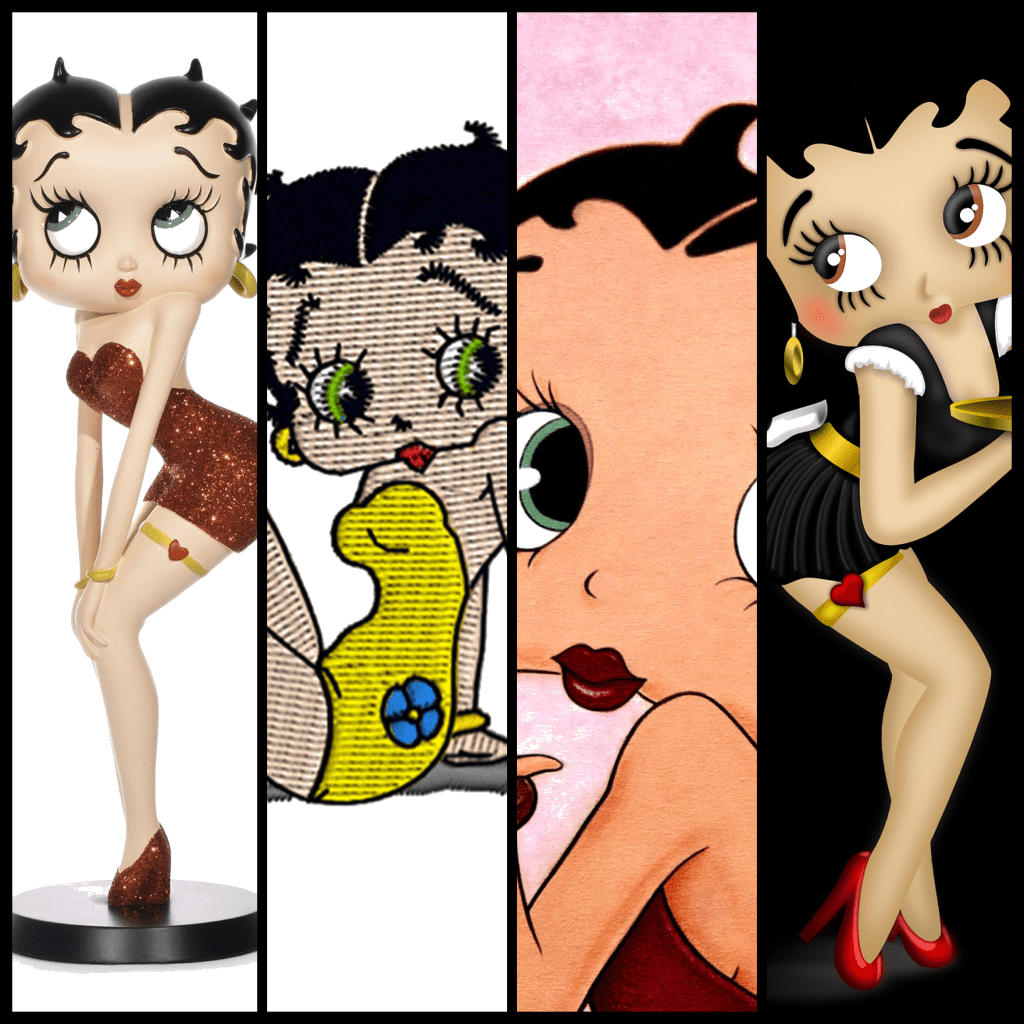
Fast-forward to 1928, when Helen Kane, a white singer with a babyish voice and a knack for flirty tunes, dropped “I Wanna Be Loved by You.” The song’s “Boop-Oop-a-Doop” hook was an instant hit, and Kane leaned into it, claiming it as her own. Her cutesy persona inspired Fleischer Studios to create Betty Boop in 1930, a cartoon flapper who became a global sensation with her big eyes, short skirts, and that oh-so-familiar scat.


But here’s where it gets juicy. In 1932, Kane sued Fleischer Studios and Paramount Pictures, crying foul that they’d stolen her likeness for Betty Boop. The courtroom drama took a wild turn when a 1928 film of Baby Esther surfaced, proving she was scat-singing “Boop-Oop-a-Doop” long before Kane. Animator Shamus Culhane, in his 1986 book Talking Animals and Other People, spilled the tea: under cross-examination, Kane admitted she’d borrowed the phrase from “an obscure Black singer” named Baby Esther.

Richard Fleischer, son of Betty’s creator Max Fleischer, backed this up in his 2005 book Out of the Inkwell, calling the film the smoking gun that exposed Kane’s inspiration.

The Erasure and Rediscovery of Baby Esther

The revelation about Baby Esther wasn’t just a courtroom win—it was a stark reminder of how Black artists were often erased from the spotlight. Esther’s contributions were overshadowed as Helen Kane and Betty Boop took center stage, reaping fame and fortune. For decades, Esther’s name faded into the margins of history, her story buried under the glitz of Hollywood and animation.


But the tide is turning. In 2021, stars like Taraji P. Henson and Big Freedia shouted out Baby Esther, celebrating her as a trailblazer who shaped jazz, scat, and even pop culture’s favorite cartoon flapper. Fans and historians are digging into her legacy, sharing posts that hail her as a forgotten icon. Esther’s story isn’t just about a catchy phrase—it’s about reclaiming the narrative for Black women who’ve been overlooked for too long.

Why We’re Still Booping Today

So, next time you see Betty Boop’s saucy wink or hear that “Boop-Oop-a-Doop,” think of Baby Esther, the kid from Harlem who sang her heart out and sparked a cultural phenomenon. Her story reminds us that behind every iconic moment, there’s often an unsung hero waiting for their due. The jazz clubs of the 1920s may be gone, but Esther’s voice echoes on—in every scat riff, every Betty Boop cartoon, and every artist who dares to create something new.


Let’s keep booping, grooving, and giving props to the real stars like Esther Jones. Who’s ready to rewrite history with a little scat and a lot of soul?

Contact Sylvie DeCristo for the Too Cute for Words Movie Treatment and Investment Opportunity at contact@innervision.pictures

Longline

In the glittering 1920s, child prodigy Little Esther Lee Jones ignites the world with her enchanting Divine Feminine grace, sultry scat-singing, and timeless Charleston flair—until a shadowy conspiracy silences her brilliance forever. Decades later, the very architects of her erasure unwittingly breathe life into her legacy as the iconic Betty Boop, whose spectral presence now haunts a relentless modern historian-singer. Racing against a chilling past, she unravels the dark 1920s plot, where every clue teeters on the edge of revelation and ruin.

Investment Opportunity

References


1. Culhane, Shamus. Talking Animals and Other People. New York: St. Martin’s Press, 1986.

2. Fleischer, Richard. Out of the Inkwell: Max Fleischer and the Animation Revolution. Lexington: University Press of Kentucky, 2005.

3. Archival records of Shuffle Along and Gertrude Saunders’ performances, sourced from Broadway histories.

New Movie Genre: Awakening

New Movie Genre Created by Sylvie Marie Amour DeCristo

Awakening Genre:

The Awakening Movie Genre transports us to a different reality, on a different frequency of existence from “normal”, so to speak to“supernatural” in the sense of the unknown; the hidden reality, everything “beyond the veil”

But what is everything beyond the veil? Everything is Energy; we refer to the spirit world and the energetic forces of creation; the processes by which the Universe runs; 

In the Awakening Genre we embed within our storytelling everything that we can’t see, as part of the “world” of our creation.

According to scientists and mystics alike the part  of Reality we cannot see amounts to 97% or more of Reality. This means that we, humans, only perceive 3% or less of our Reality. We do not see the whole Truth. What we see with our eyes is not all there is, yet most of what we can’t see  is ignored or denied. It has been ignored, denied and treated as ‘not real’ or as fantasy in all art forms throughout history.

The Awakening Movie Genre’s story, plot, and character work towards building a closer to-the-Truth version of Reality, with Awakening we put an end to censored Universal Truth; this censorship has gone as far as erasing parts our history and numbing human consciousness.

The Awakening Movie Genre is the cinematic counterpart of the Awakening of human consciousness in the Era of the II Coming.

The reflection of our stories is the reflection of our beliefs.

Through the Awakening Movie Genre the 7th Art commits to reflecting more than the eyes can see, more than 3%, more than that which has been conventionally accepted as Reality.

The Awakening Movie Genre brakes through the veil with the eye of the camera open to the unveiling; as it is time for those with eyes to see let them see.

The Awakening Movie Genre embodies cinematic pieces that merge the limited perceived “reality” humanity has complied with for eons, with the Reality which we are now destined for, the Reality beyond the Veil. Propelling Truth,  inspiring Transformation,  and embodying Freedom.

Normalising the yet still uncharted territory of the processes of our Universe as part of the “world” of our creations we embrace awareness.

The Awakening Movie Genre film often portrays  the switch of realities from one frequency of existence to a higher frequency of existence, blending storyline and plot with higher intelligence and ancient inner knowing.

Awakening is embedded in the cinematic piece as part of the story structure, the plot and the hero’s journey. Truth in all its essence is the driving mechanism of the Awakening Movie Genre creations.

The switch from one plane of existence to the next in the awakening movie genre is cinematically visible with specific cinematography techniques, lighting and special effects and split storytelling strategies.

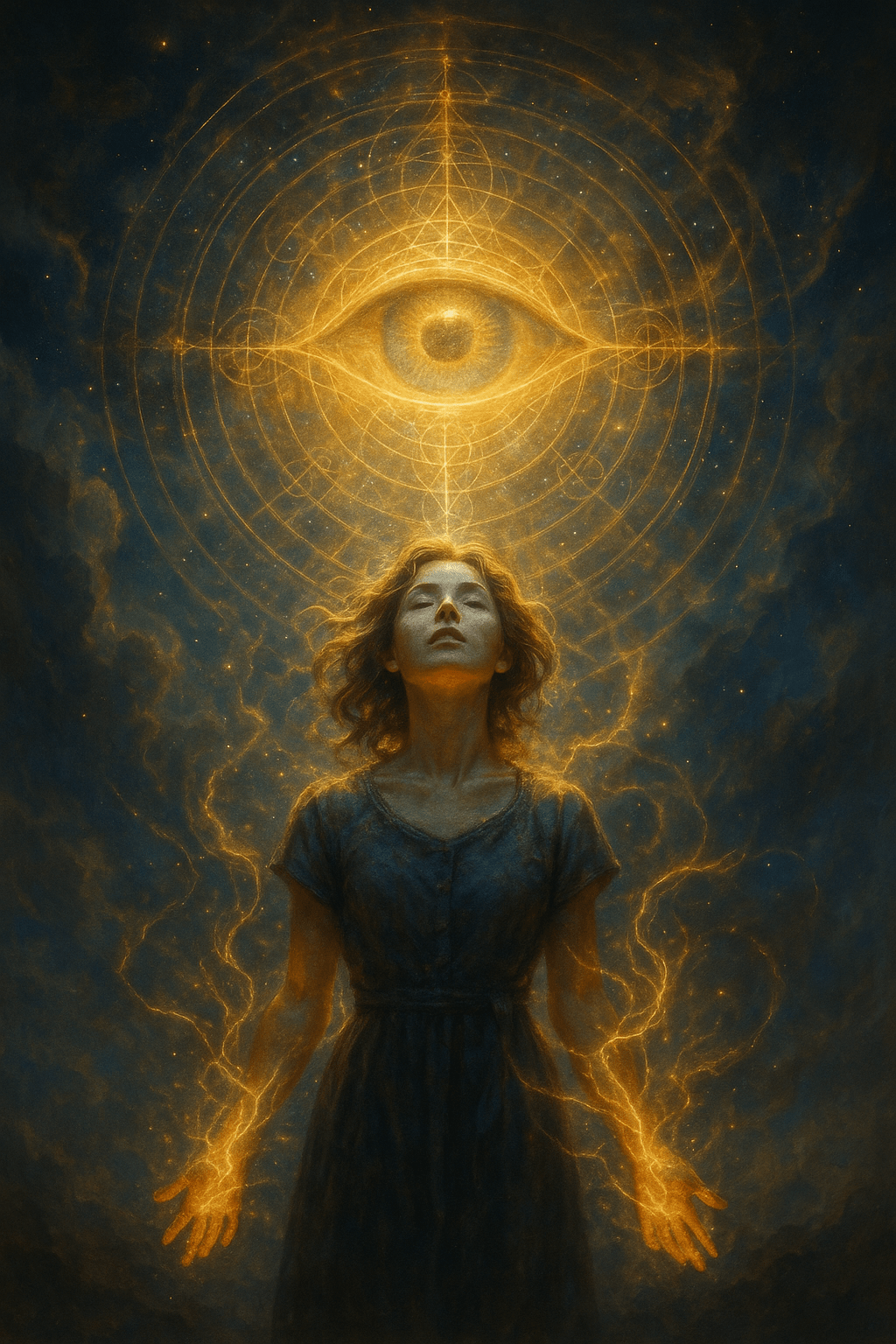
In the Awakening creations the filmmaker shows The Workings of the Light, illustrating the unseen in a way that can be perceived by the audience: sacred geometry, light codes, creative sound and frequency become embedded in the tapestry of their vision.
Awakening Movie makers open the eye of the camera to the knowing that everything is energy; employing special effects to recreate the holographic reality we are a part of and, unveil the secrets of time, perception, and the Matrix, which is the false and detrimental reality we have forced to participate in.
The Awaking Movie maker stays faithful to Truth about the processes of creation in this Universe.


Awakening Movie makers open the eye of the camera to the knowing that everything is energy; employing special effects to recreate the holographic reality we are a part of and, unveil the secrets of time, perception, and the Matrix, which is the false and detrimental reality we have been forced to participate in.


The Awaking Movie maker stays faithful to Truth about the processes of creation in this Universe.

Awakening Genre and Free Will
Awakening is the history of humanity reactivating. It is prophecy unfolding. It is the spiritual journey of the Soul. It is the evolution of human kind. It is the Divine Plan of the Creator. It is the break away from the illusions in the form of chains around human consciousness.
Awakening is the realisation of Freedom. Freedom that is our Birthright. Awakening is an entity, a force, an energy, the energy of Ascension, this energy actives within the heart through Free Will.


Free Will is the driving motor of Awakening, thus it is a fundamental part of the Awakening movie Genre and it is embedded within the story, the plot, the character’s journey.  Free Will is the essence of the awakening cinematic piece. Free Will is embedded in the Awakening movie Genre as an integral ingredient.

The Awakening Genre and Truth.
Awakening fulfils the prophecy:
“The Truth will set you Free”.
An Awakening Genre cinematic piece seeks not only to talk the Truth, spread Truth, expose Truth but to also to be the Truth in essence. This means that the creators aim at constructing a master piece which will transmute into Light when consumed.

Awakening and Religion
The Awakening Genre recognises that religion has nothing or very little to do with Light, Truth, or Free Will. Religion opposes Awakening, religion opposes Truth, religion opposes freedom, religion was put in place to divide and conquer, to manipulate and control, most importantly religion was invented to replace Truth, and even to try to stop the awakening of humanity. This applies to all religions specifically the “Christian”. The Christian religion has nothing to do with Christ apart from the name. Christianity masks the teachings of Christ. Christians follow the teachings of Paul the impostor, not an Apostle, but an impostor. 


I, Sylvie Marie Amour follow the teachings of Christ, I follow Yeshua of Nazareth. I am a Nazarene, not a Christian as I grew up believing I was. A Nazarene is not a religious person or thing belonging to a religion of any sort. We follow the way of Life, which is the Way Love. Love is All. Love is the fabric of the Universe, Love is God. Religion is manmade.

The Nazarenes embody the teachings of Christ.


The awakening movie genre does not allow religion to take any authoritative or directive  form within it’s construct. The awakening movie genre cannot have Religion as a topic of influence or trust within its creation. Religion does not bare any weight in an Awakening Genre movie.


In Awakening religion is fully replaced by Universal Truth.

The Awakening Genre and Identity
The Awakening of humanity is onboarded via Unity Consciousness also known as Christ Consciousness. Unity consciousness recognises the Truth that we are all One: I am you and you are me.
The Awakening Genre movie has it’s main character embody Universal Human Oneness. The creators deliver a protagonist who is not isolated, separate or individual but instead He/She represents humanity, the One is All.

The Awakening Genre and Love.
Awakening is the embodiment of Love; love in Action and love expressed, love lived. The Creators of an Awakening movie understand that they are Love thus their creations are Love. 

An Awakening Genre movie is the embodiment of Love in cinematic frequency.

Throughout the history of cinema the moving images have been used to indoctrinate; to offer a distorted perception of reality which produces compliance with the narrative; a narrative manufactured by others, a narrative which serves only those manufacturers.


In the past the moving images were used to blind, to numb and to keep us sleep.
From now on the 7th Art in the 7th Age will be used to ignite Awakening for those with eyes to see and ears to hear.

Sylvie Marie Amour DeCristo

Awakening Cinema

The Awakening Genre –

Conscious Cinema, the Philosophy, the Archytecture, and the Manifestation of a New Reality

The Veil is Thin. The 7th Art Awakens.

The Awakening Genre Texts are not books. They are living portals — a 3-volume sacred transmission channeled through Sylvie Marie Amour DeCristo, originator of Awakening Cinema.

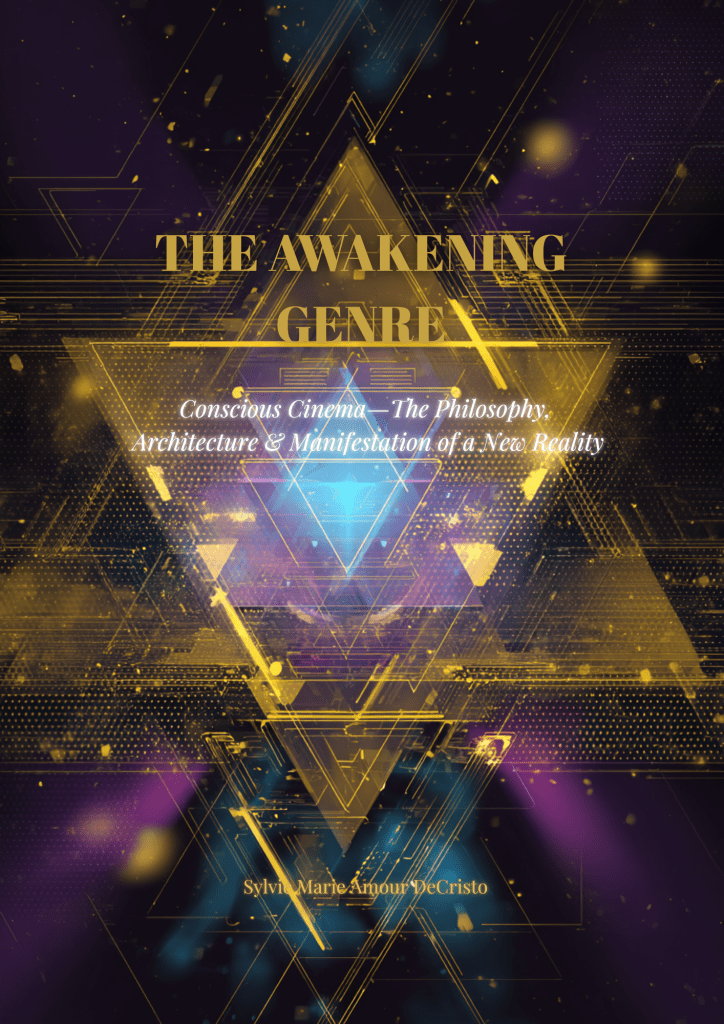
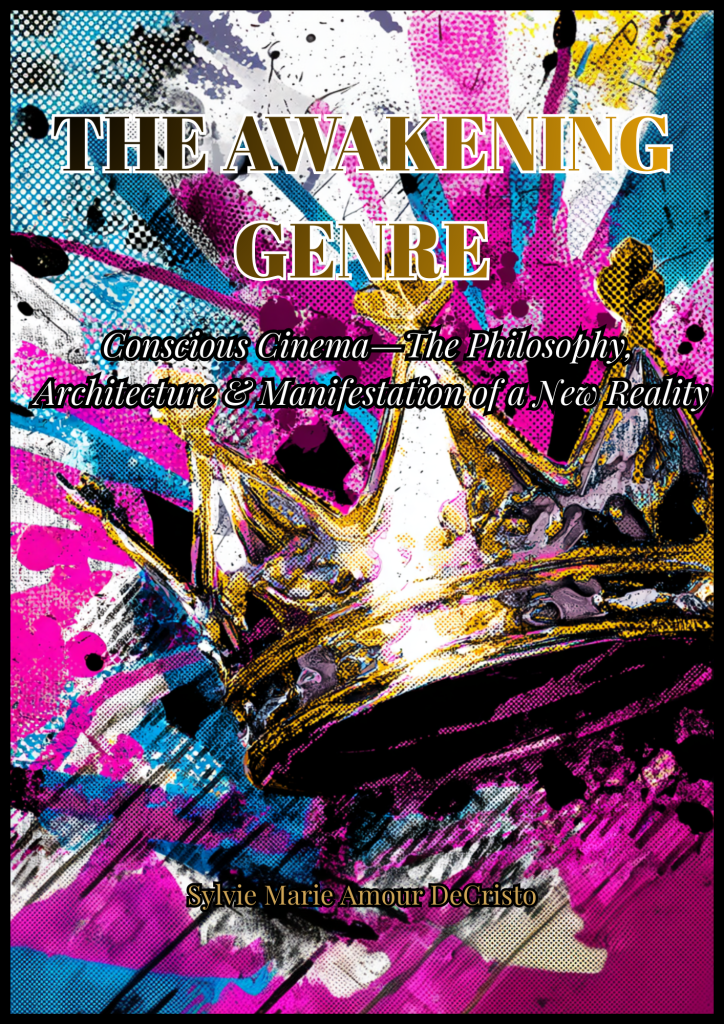
The Awakening Genre: Conscious Cinema – The Philosophy, Architecture, and Manifestation of a New Reality Available in three exquisite, mystical covers — each a gateway to a different dimension of awakening:

Buy Cover 1: The Philosopher’s Stone →

Cover 1: The Philosopher’s Stone

Cover 2: The Light Weaver’s Loom

Cover 3: The Sovereign’s Crown

Buy Cover 2: The Light Weaver’s Loom →

What You Receive for £33

Invitation to the living ecosystem: Awakening Film Festival, Global Awakening Network (GAN), Awakening Arts Academy

Instant digital access to all three volumes (PDF download)

Volume I: The Philosophy — 7 Pillars of Creation & 13 Awakening Archetypes

Volume II: The Architecture — Magdalene Method, Golden Grid, Awakened Production Alchemy

Volume III: The Canon & Future — Proto-Awakening Films Decoded + Vision to 2028

Full Awakening Genre Manifesto — your sovereign vow to Truth

Buy Cover 3: The Sovereign’s Crown →