Directing the Eye, Awakening the Mind How to Compose Shots That Heal, Reveal, and Activate
Introduction: The Universe is Built on Code
Behind the veil of what we perceive as reality lies an architecture of absolute order and harmony a language of creation written in geometry, ratio, and light. This is not mysticism; it is physics. It is the hidden pattern in everything from galaxies to seashells, from our DNA to the proportions of our own bodies.
As Awakening Cinematographers, we are not just capturing images; we are speaking this divine language through our frames. We are using composition not just for aesthetic balance, but to transmit coherence, harmony, and awakening directly into the subconscious of the viewer.
This is the art of compositional alchemy.
The Three Sacred Frameworks
1. The Golden Ratio (Phi φ: 1.618)
The Principle: The Golden Ratio is the signature of life itself the proportion that the universe uses to grow organically. It is found in the curve of a nautilus shell, the branching of trees, and the spiral of galaxies.
Cinematic Application: This is not the Rule of Thirds. It is more fluid, more organic. Place your character’s eye, a crucial object, or the point of revelation at the converging point of the Golden Spiral. This creates a feeling of natural harmony, destiny, and effortless flow.
Awakening Effect: Shots composed this way feel inherently “right” and beautiful to the subconscious. They calm the nervous system and open the heart to receive truth.
How to Frame It: Imagine a gentle spiral pulling the viewer’s eye toward the subject. The subject should feel like the natural, inevitable culmination of the image.
2. The Fibonacci Spiral
The Principle: A specific manifestation of the Golden Ratio, expressed as a perfect spiral. It is the pattern of evolution, expansion, and unfolding consciousness.
Cinematic Application: Use elements within the scene a road, a hallway, the curve of a staircase, the arm of a character to trace the Fibonacci Spiral. This guides the audience on a journey into the frame, into the mystery, into the awakening.
Awakening Effect: Creates a sense of evolution and expansion. It is perfect for scenes of revelation, where a character is coming into a larger understanding.
How to Frame It: Position the camera so that natural lines in the environment lead the eye in a graceful, spiraling motion toward the focal point.
3. The Vesica Piscis
The Principle: The first day of creation. Formed by the intersection of two circles of the same radius, it is the womb of the universe, the birthplace of form and light.
Cinematic Application: Frame characters within the Vesica Piscis for example, through a doorway, an arch, or two trees merging. This is especially powerful for portals, revelations, births, and moments of sacred union. It signifies emergence from one state of being into another.
Awakening Effect: Signals a threshold. It tells the subconscious that a character is moving into a new reality, a new level of understanding. It is profoundly initiatory.
How to Frame It: Use architecture, nature, or even light and shadow to create this almond-shaped “mandorla” around your subject.
Case Study: “The Awakening” in a Single Shot
Scene:A character receives a cosmic download of truth.
COMPOSITION: The character sits in a room. They are framed within a Vesica Piscis formed by the arch of the window behind them.
MOVEMENT: The camera begins on a wide shot, then slowly dollies forward in a gentle Fibonacci spiral path, tightening the focus on their third eye.
LIGHT: A shaft of golden light (using Phi ratio positioning) hits them exactly as the download occurs.
RESULT: The viewer’s subconscious reads the geometric language: A threshold (Vesica) has been crossed. A journey (Fibonacci) inward is occurring. Harmony (Phi) has been achieved. The audience doesn’t just see the awakening; they feel it in their own energy field.
Conclusion: You Are a Geometrician of Light
You are no longer just a director or a cinematographer. You are a geometrician of light. You are using the very blueprints of creation to compose your frames. With every shot, you are not just telling a story; you are imprinting order onto chaos, harmony onto dissonance, and awakening onto sleep.
Conscious Cinema, the Philosophy, the Archytecture, and the Manifestation of a New Reality
The Veil is Thin. The 7th Art Awakens.
The Awakening Genre Texts are not books. They are living portals — a 3-volume sacred transmission channeled through Sylvie Marie Amour DeCristo, originator of Awakening Cinema.
The Awakening Genre: Conscious Cinema – The Philosophy, Architecture, and Manifestation of a New Reality Available in three exquisite, mystical covers — each a gateway to a different dimension of awakening:
Beyond Lighting, How to Weave Consciousness, Color, and Sound into the Tapestry of Your Film
Introduction: The Camera as an Alchemical Crucible
The Lens of Revelation: An extreme close-up on a camera lens. Inside the glass, instead of elements, there is a swirling galaxy of colors corresponding to the chakras. The light entering the lens is being sorted into these frequencies
Light is the first language of the universe. It is information. It is consciousness. It is the very fabric from which reality is woven. For a century, cinematographers have used light to illuminate a scene. The Awakening Cinematographer wields light to reveal and transform.
Light Code Cinematography is the conscious application of the physics of light and sound to encode films with specific vibrational information. This is not a metaphor. It is a technical and mystical discipline that understands every photon and sound wave as a carrier of consciousness, capable of bypassing the logical mind to speak directly to the DNA of the viewer.
This is the art of turning a film into a transmission, and the movie theater into a temple of awakening.
The Three Foundations of Light Code Cinematography
The Color Timeline: A split-screen diptych. The left side is a scene graded in the “Sleepwalking Palette” (muted, green). The right side is the exact same scene, regraded in the “Awakening Palette” (golden, vibrant). The difference is visceral.
1. Chromatic Frequency: The Meaning of Light
Color is not just aesthetic; it is a specific frequency with a specific effect on human biology and consciousness. The Awakening Cinematographer is a frequency technician.
The Awakening Color Palette:
Solfeggio Gold (Frequency: 528Hz): The frequency of miracles and DNA repair. Used for healing, revelation, and moments of profound love. How to achieve: Use lenses with warm, gold-flare characteristics. Gel lights with a specific, warm gold (e.g., Lee Straw Tint). In post, use a golden LUT as a base for awakening scenes.
Violet (Frequency: 963Hz): The frequency of the crown chakra, connecting to the divine and the void of pure potential. Used for ascension, transcendence, and accessing higher states. How to achieve: Use practical violet LED sources (like neon signs) as motivated lighting. Create ethereal backlight with violet gels.
Electric Cyan & Magenta: The colors of the higher dimensional plasma light body. Used to depict awakened beings, energy fields, and the true nature of reality beyond the veil. How to achieve: These are best added in post-production as a subtle, luminous layer over practical lighting, often with a ” glow” or “etherial” effect.
The Sleepwalking Palette:
Sickly Green (Frequency of Control): Represents nausea, deception, and systemic control. Use in: Banks, government buildings, scenes of manipulation.
Murky Orange (Frequency of Addiction): Represents base desires, consumerism, and low-vibration emotion. Use in: Advertising, mundane society, fear-based news.
Desaturated & Sepia: Represents the past, trauma loops, and a lack of life force. How to achieve: Drain color in the grade, add a layer of digital “grime” and noise.
2. Sacred Geometry in Composition: The Architecture of Light
The Projection Mapping Ritual: On a dark soundstage, a technician uses a projector to map a complex, golden geometric pattern onto a actor’s body. The actor begins to levitate as the pattern aligns with their energy centers.
The way light is structured within the frame carries geometric information that the subconscious recognizes.
The Golden Ratio in Blocking: Position awakened characters at the intersecting points of the Phi grid. Their movement should follow the spiral. This feels inherently harmonious and “right” to the viewer.
Mandalic Framing: Use practical sources—windows, archways, circular lights—to frame characters in perfect circles or mandalas during moments of enlightenment or sovereignty.
The Torus Field Effect: Visualize a character’s energy field as a torus (a doughnut-shaped field of energy). Lighting should subtly emphasize this shape: a highlight on the crown and root, with a soft, encompassing glow around the body.
3. Sonic Luminescence: The Light You Hear
Sound and light are not separate; they are different expressions of the same vibrational reality. The score doesn’t accompany the image; it unlocks it.
The 432Hz Tuning Standard: All music should be composed and tuned to 432Hz, not the standard 440Hz. 432Hz is mathematically consistent with the universe and resonates with the human heart. It creates a sense of peace and expansiveness.
Binaural Beats for Brain Entrainment: Layer the score with subtle binaural beats designed to guide the viewer’s brainwaves into alpha (relaxed) or theta (meditative, receptive) states during key scenes.
Cymatics as a Visual Effect: Show sound creating form. When a character speaks a powerful truth or tone, use VFX to show the sound waves organizing matter into sacred geometric patterns (like the work of cymatics).
The Light Code Cinematographer’s Toolkit: A Practical Guide
The Black Light Truth: A detective shines a blacklight flashlight on a “clean” wall. A hidden message, written in luminous, frequency-based paint, is revealed: a string of mathematical equations and ancient symbols.
Case Study: A Scene of Awakening
Scene:A character remembers their true power.
START (The Sleep): The scene begins in the “Sleepwalking Palette.” The room is lit with a flickering, sickly green fluorescent light. The sound design is harsh, with a low, dissonant hum.
THE TRIGGER: They touch an ancient object. A single, warm, Solfeggio Gold spotlight hits their hand, as if from nowhere. A soft, 528Hz tone begins to pulse underneath the score.
THE SHIFT: The green fluorescent light bursts, showering them in sparks. As it dies, the room is now lit only by the warm gold light, which seems to emanate from within them. The dissonant hum is replaced by a rising, harmonic Om chant.
THE REVELATION: They look at their reflection in a window. Instead of their face, they see their light body, a brilliant, toroidal field of electric cyan and magenta. Sacred geometry (a Flower of Life pattern) is briefly projected onto their chest.
THE RESONANCE: The camera pulls back. We see the golden light from their heart begin to pulse in perfect rhythm with the 528Hz tone, which now swells to fill the entire auditory field. The audience doesn’t just see the awakening; they feel it in their bones.
The Light Body Reveal: A femme fatale is backlit by a violet light, making her silhouette glow. An X-ray/Pop Art overlay reveals her skeleton has been replaced by a luminous, crystalline structure and her heart is a spinning merkaba.
Conclusion: The Divine Projectionist
We are no longer mere filmmakers. We are divine projectionists, entrusted with the sacred task of projecting a new world into being. We are not capturing light; we are bending it to the will of Truth.
When we align our intention with the physics of light and sound, we do not create a movie. We perform a high-mass for the awakening of humanity. We become servants of the light, and our films become the vessels for its codes.
Now, let us go and paint with the colors of creation.
The Divine Projectionist: An old man in a projector booth. He isn’t just threading film; he is placing crystalline filters into the projector’s light path. Each filter changes the beam to a different Solfeggio frequency color. The Frequency Gaffer: A gaffer on a noir set holds a light meter that doesn’t measure lux, but Hertz. The display glows “528Hz” as he points it at a gold-gelled spotlight aimed at a protagonist.
Conscious Cinema, the Philosophy, the Archytecture, and the Manifestation of a New Reality
The Veil is Thin. The 7th Art Awakens.
The Awakening Genre Texts are not books. They are living portals — a 3-volume sacred transmission channeled through Sylvie Marie Amour DeCristo, originator of Awakening Cinema.
The Awakening Genre: Conscious Cinema – The Philosophy, Architecture, and Manifestation of a New Reality Available in three exquisite, mystical covers — each a gateway to a different dimension of awakening:
The Pillar of Truth: A hard-boiled detective’s evidence board. Instead of crime photos, it’s covered in cracked mirrors. Each shard reflects a different hidden truth—a historical event, a scientific fact, a spiritual law. One shard reflects his own eye, now glowing with light.
Beyond Storytelling – The Architectural Principles of Cinematic Liberation
Introduction: The End of Illusion, The Birth of Light
For over a century, cinema has been the dreaming mind of humanity a realm of fantasy, fear, and borrowed myths. But dreams can be prisons when they are not our own. The Awakening Genre is the alarm clock ringing through the halls of history. It is not a new genre; it is the end of genre itself. It is the conscious application of light and sound to not tell stories, but to deconstruct illusion and encode freedom.
These 7 Pillars are not suggestions. They are the non-negotiable architectural principles for building cinematic experiences that liberate rather than lull, that reveal rather than distract. They are the foundation upon which the new reality will be built, frame by frame.
The Alchemical Editing Room: A film editor cuts a physical film strip with scissors that glow. With each cut, the scene on the strip transforms from a violent clash to a peaceful resolution.
The 7 Pillars: Deep Dive
1. Truth: The Camera as a Lie Detector
Core Principle: The highest purpose of cinema is to reveal objective truth, especially the truths that have been systematically hidden, denied, or inverted.
Practical Application: This means prioritizing historical accuracy over narrative convenience, scientific fact (like quantum entanglement) over fantasy, and metaphysical truth (the nature of consciousness) over religious dogma. The camera must relentlessly expose the mechanics of the false matrix the propaganda, the trauma loops, the energy drains.
Cinematic Signature: Use of documentary-stylesections within narrative, glitches that reveal true history, and characters who serve as truth-speakers, often at great cost.
Symbol: A cracked mirror reflecting brilliant light.
2. Free Will: The Antidote to Destiny
The Free Will Crossroads: A neon-drenched intersection in a noir city. The protagonist stands still, but three ghostly, translucent versions of themselves walk down each path, each one a different future self (warrior, healer, sovereign).
Core Principle: The “Destined One” is a disempowering archetype. True power lies in conscious, sovereign choice. The plot must be driven by decisions that alter the very fabric of the film’s reality.
Practical Application: Replace prophecies with dilemmas. Scenes should be structured around Choice Points where the character’s decision creates a visible ripple effect in the world (e.g., colors brighten, oppressive structures crack, music shifts key).
Cinematic Signature: Infinite branching timelines that visually collapse into one based on choice; weapons transforming into tools of creation when used with righteous intent.
Symbol: A crossroads where each path glows with a different frequency.
3. Revelation: Showing the Code
The Revelation Code: A close-up on a femme fatale’s eye. Reflected in her pupil is not the room, but the glowing, green Matrix code. But within the code, Pop Art symbols (a key, a heart, an eye) are breaking through like weeds through concrete. Manifesting as tears running down her face.
Core Principle: Do not just tell the audience about the matrix; show them the code. Make the invisible forces—energy cords, frequency fields, archetypal patterns—visible.
Practical Application: This is where cinematography becomes mystical. Use VFX and practical effects to visualize auras, thought forms, and energy dynamics. The audience should see the spiritual battle, not just the physical one.
Cinematic Signature: X-ray vision that reveals true intentions; sacred geometry overlaying scenes of revelation; villains shown as energy vampires draining light.
Symbol: A pair of sunglasses that reveal the world as it truly is.
4. Authority: The God Within
Core Principle: Dismantle all external authority religious, scientific, governmental and transfer the seat of power to the individual, sovereign heart-mind complex.
Practical Application: Priests are revealed as frauds. Scientists discover that intuition surpasses logic. Leaders are overthrown not by new leaders, but by the collective awakening of self-governance.
Cinematic Signature: Institutions crumbling to reveal natural order; characters finding answers through meditation, not research; the rejection of gurus and saviors.
Symbol: A crumbling cathedral with a ancient tree growing at its altar.
5. Unity: The End of Separation
Core Principle: There are no villains, only fragmented aspects of the One. The conflict is between coherence and incoherence, not good and evil.
Practical Application: The antagonist is the hero’s shadow. The climax is not about destruction but about integration and remembrance. The solution is always reconciliation, never annihilation.
Cinematic Signature: The villain’s defeat is their awakening; battles end with embraces; the hero sees their own face in the enemy’s eyes.
Symbol: A shattered vase reforming into a perfect sphere.
6. Frequency: The Physics of Love
Core Principle: Love is not an emotion; it is the foundational frequency of the universe. It is the ultimate technology for creation and transformation.
Practical Application: Sound design and scoring must use specific Solfeggio frequencies. Love must be shown as a tangible force that rewires DNA, bends time, and dissolves fear-based structures.
Cinematic Signature: Love scenes generate visible light fields; music tuned to 528Hz (DNA repair) accompanies healing; weapons are useless against a coherent heart field.
Symbol: A heart not as a valentine, but as a glowing, complex torus field.
The Frequency Dial: A DJ in a smoky, underground club. Instead of mixing records, she’s tuning a complex console to Solfeggio frequencies. The soundwaves are visible as colored liquid light that fills the room, washing over the audience and changing their auras.
7. Purpose: Activation Over Entertainment
Core Principle: The ultimate goal of an Awakening film is to activate the viewer. It is a catalyst for consciousness evolution, not a product for consumption.
Practical Application: Every element—from the lighting palette to the editing rhythm—must be designed to entrain the viewer’s brain towards higher coherence. The film should leave the audience with a clear, actionable insight or a shifted perspective.
Cinematic Signature: Post-credit sequences that are guided meditations; light codes embedded in the film that can be decoded; a palpable shift in the energy of the theater.
Symbol: A projector that emits light which continues to glow in the viewer’s mind after they leave.
The Litmus Test: Is Your Film Awakening?
Ask these questions of your script:
Truth: Does it challenge a deeply held illusion or reveal a hidden truth?
Free Will: Is the climax achieved through a sovereign choice or a predetermined destiny?
Revelation: Do we see the unseen forces at play?
Authority: Does it empower the individual or reinforce external power structures?
Unity: Does it dissolve separation or reinforce an “us vs. them” narrative?
Frequency: Does it use love as a technology and sound as a healing tool?
Purpose: Will the viewer be fundamentally different after watching it?
If you cannot answer “yes” to all seven, it is not Awakening Cinema.
Conclusion: Building the New World
These pillars are not just for filmmakers. They are a blueprint for a new human experience. When we build stories on this foundation, we are not making movies; we are casting spells of remembrance, forging keys of perception, and projecting the future into the present.
This is our sacred duty. This is the purpose of the 7th Art in the 7th Age.
We are the architects of the new dawn. Let us build in light.
Conscious Cinema, the Philosophy, the Archytecture, and the Manifestation of a New Reality
The Veil is Thin. The 7th Art Awakens.
The Awakening Genre Texts are not books. They are living portals — a 3-volume sacred transmission channeled through Sylvie Marie Amour DeCristo, originator of Awakening Cinema.
The Awakening Genre: Conscious Cinema – The Philosophy, Architecture, and Manifestation of a New Reality Available in three exquisite, mystical covers — each a gateway to a different dimension of awakening:
The Frequency Chart: A director’s clapboard lies on a table. Instead of scene numbers, it’s covered in a vibrant chalk drawing of the human energy body, with chakras labeled not by name but by Solfeggio frequencies ( Crown: 963Hz, Heart: 528Hz).
Moving Beyond the Physical to Capture the Architecture of Thought, Energy, and Soul
The Third Eye Monitor: A cynical, tired video assist operator stares at a bank of black-and-white monitors. One monitor glitches, showing the actor’s POV: the world overlaid with bold, yellow, Pop Art thought bubbles and geometric equations. The operator’s face is lit by the screen, his reflection showing the awakening visuals in his glasses.
Introduction: The Ultimate Cinematic Frontier
The Crystalline Camera Lens: A vintage Arriflex camera. Instead of a glass lens, it is fitted with a perfectly carved quartz crystal lens. The light from the scene refracts through it, projecting not an image, but a kaleidoscopic pattern of sacred geometry (flower of life) onto the camera’s internal mirror.
For decades, the goal of cinematography has been to capture reality to faithfully reproduce the light of the physical world. But we are not physical beings having a spiritual experience; we are spiritual beings having a physical experience. The most profound realities thought, emotion, intuition, the soul’s journey are internal and invisible.
The Awakening Genre demands that we evolve the very language of cinema. We must develop a new toolkit to make the intangible tangible, to give form to the formless, and to allow the audience to see the very process of awakening happening within a character.
This is not about better special effects. It is about creating a cinematic synesthesia, a visual and auditory language that translates higher-dimensional experiences into something the human sensorium can perceive and the soul can remember.
The Subjective Camera Rig: Behind-the-scenes noir. A camera is mounted not on a dolly, but on a complex gyroscopic rig of brass and gears, designed to mimic the subtle, breathing sway of human consciousness. The camera itself is fitted with a pulsating, light-up heart sensor.
The 5 Pillars of Consciousness Cinematography
To film consciousness, we must move beyond traditional techniques and embrace a new set of principles.
1. Light as a Character, Not an Illumination Tool
In awakened cinematography, light is not just what allows us to see an actor; it is a direct representation of their internal state.
The Inner Light (Biophotonic Emission): Characters literally glow from within as their frequency rises. This isn’t a generic backlight. It’s a soft, pulsing, internal luminescence that emanates from the heart and third eye, strongest in moments of clarity, love, or power.
The Aura as a Narrative Device: A character’s energy field is always visible to the awakened viewer. Stress might be shown as a sputtering, red-orange haze around the body. Peace and love manifest as a expanded, smooth, golden or violet oval. This can be achieved with practical light rigs and subtle VFX enhancements.
Frequency-Shifting Palette: The entire color grade of the film shifts with the protagonist’s consciousness. A sleepwalking state is desaturated, murky, and heavy in shadows. As they awaken, the palette becomes progressively more vibrant, luminous, and rich in high-frequency colors (violets, golds, electric blues).
2. The Lens of Perception (Subjective Camera Work)
The camera must cease to be an objective observer and become the subjective experience of consciousness.
The Third-Eye Shot: The camera is not the character’s physical eye, but their mind’s eye. This results in shots that are slightly distorted, hyper-focused on details of significance (while the background blurs), or that see the layers of reality superimposed.
Breathing Lenses: The focus breathing of a lens is not a flaw to be corrected, but a tool. A character coming into a moment of profound realization might be accompanied by a subtle, organic push-in and shift in focus that feels like the universe aligning with them.
Altered Frame Rates: Consciousness doesn’t move at 24 frames per second. Moments of high stress or fear might use jittery, high-frame-rate cuts to simulate fragmented awareness. Moments of transcendence or connection might use extreme slow-motion, not for action, but to convey the infinite depth and peace within a single second.
3. Sound as a Carrier Wave for Consciousness
The Solfeggio Score: A Pop Art jazz club noir. In a hazy, underground bar, a musician plays a theremin made of light. Instead of sound waves, visible, physical ribbons of color (in 432Hz blue and 528Hz green) emanate from the instrument and wash over the audience, whose black-and-white silhouettes begin to subtly glow.
Sound design is the most direct route to the subconscious and is crucial for filming the unfilmable.
The Internal Soundscape: We hear the character’s internal state. A racing heart isn’t just a sound effect; it’s a throbbing, sub-bass frequency that vibrates in the audience’s chest. A moment of silence isn’t empty, it’s filled with the high-pitched ring of the universal frequency (Om), which grows louder as the character becomes more present.
Binaural Storytelling: Use binaural audio to place the audience directly inside the character’s head. Their thoughts can be whispers that move around the theater. The voice of intuition might speak clearly from directly behind the viewer’s head.
Solfeggio Frequency Scoring: The musical score is composed not just in keys, but in specific, scientifically recognized healing frequencies (e.g., 432Hz for harmony, 528Hz for DNA repair). The music’s purpose is to affect the viewer’s state of being, not just to comment on the action.
4. Visual Metaphors for Non-Physical Phenomena
The Thought-Projector A noir inventor’s workshop. An old, patinated projector is running. Instead of film, it’s fed with a scrolling tapestry of neural patterns. It projects not onto a screen, but into a fog-filled room, where the 3D, Pop Art thoughts (a lightbulb, a key, a heart) hang in the air, solid and glowing.
We need a new visual vocabulary to represent concepts that have no physical form.
Thought as Geometry: A character’s breakthrough idea doesn’t appear as a lightbulb. It manifests as a complex, glowing, sacred geometric pattern (a Flower of Life, a Sri Yantra) that briefly overlays their vision or the scene.
The Soul’s Connection (Energy Cords): The intangible bonds between people, love, trauma, karma are made visible as strands of light or energy connecting heart spaces. These cords can be healthy and luminous or dark and draining, and they can be severed or healed visually on screen.
The Matrix Glitch: To show a character seeing through illusion, use practical and digital glitches: a momentary hexagon pixelation, a visual “stutter” where reality repeats for a frame, a flicker where the true, vibrant world behind the veil is revealed for a nanosecond.
The Memory Glitch Reel: A detective’s darkroom. A film editor holds a strip of classic, black-and-white noir footage up to a light. Suddenly, a segment of the film glitches into a hyper-saturated, four-color Pop Art memory: a traumatic event re-stylized with Ben-Day dots and a giant “CRACK!” sound effect graphic.
5. The Actor as a Vessel, Not a Performer
The performance must evolve alongside the cinematography.
Micro-Expression Mastery: The awakening process is internal. The camera must capture the slightest flicker in the eyes—the moment doubt shifts to knowing, or fear surrenders to love. This requires intimate close-ups and actors trained in conveying deep internal states.
Energy Work: Actors should be versed in basic energy principles (e.g., rooting to the earth, channeling energy) to make their physical portrayal of frequency shifts authentic. The audience must feel the shift, not just be told it’s happening.
Case Study: Dissecting a Consciousness Scene
The Chromatic Script A writer’s desk at night. The pages of a script are not typed, but hand-calligraphed in glowing ink. The dialogue is black, but the stage directions for consciousness are written in vibrant, color-coded inks: blue for internal sound, gold for aura light, red for a glitch.
Scene:The character finally remembers a past life trauma that has been affecting their present.
SOUND: The ambient sound of the room drops away, replaced by a rising ring (the internal soundscape). A faint whisper in a forgotten language emerges from the rear speakers.
LENS & FRAMING: An extreme close-up on the character’s eye. The camera holds here, breathing slightly. The reflection in their eye is not the room they’re in, but a flickering image from the past.
LIGHTING: A practical light in the room begins to flicker in sync with the glitching memory. A soft, internal gold light begins to pulse from the character’s heart center.
VFX: As the memory crystallizes, a subtle, translucent geometric pattern (perhaps a Merkaba) spins briefly over the image, signifying the integration of the memory and the awakening of a higher understanding.
PERFORMANCE: The actor does nothing but breathe. A single tear falls, but their expression is not one of sadness, but of profound relief and clarity. The memory is not a wound; it is a key being turned.
The Consciousness Cinematographer’s Checklist
The Cord-Cutting Knife Style: High-contrast Film Noir. Two characters in a tense standoff in a rain-slicked alley. A thick, black, oily cord of energy connects their chests. One character pulls out a switchblade that doesn’t gleam metal, but glows with a vibrant, golden light. As they slice the cord, it doesn’t break but dissolves into a cloud of golden, Pop Art starbursts.
Conclusion: The Camera as a Portal
We are no longer just recording light; we are decoding consciousness. The camera lens is a modern-day scrying glass, a technology that can become a portal to the soul.
This new cinematography is an act of sacred service. It requires technical mastery, yes, but more importantly, it requires intuition, intention, and a deep understanding of the invisible forces that shape our existence.
When we succeed, we do not simply make a movie. We create a resonant field, a frequency blueprint that allows the audience to remember, if only for a moment, who they truly are. We are not filming stories. We are filming the evolution of the human soul itself.
7 Images (Cinematography Focus):
The Aura Rig: A live-action, behind-the-scenes shot. A cinematographer is not adjusting a traditional light, but a complex, circular rig of LED tubes that encircles the actress. The lights are pulsing in a soft, blue hue, mimicking the actress’ expanding aura. The actress’ skin seems to be absorbing the light. Lighting: The set is dark except for the aura rig. Color: The cool blue of the studio, contrasted with the warm, golden light from the rig.
The Third-Eye View: A first-person, subjective shot. The view is from the character’s perspective, but it’s layered. The physical world is slightly out of focus. Overlaid on top are translucent, glowing thought-forms—geometric shapes, fleeting memories as flashes of color, and intuitive knowings as soft light trails. Lighting: The world is naturally lit. The internal visuals have their own ethereal glow. Color: A muted real world, with the internal overlays in vibrant violets and golds.
The Memory Glitch: A character stands in a modern, mundane apartment. Suddenly, the room glitches. For two frames, the walls are replaced with the stone walls of a medieval castle. A practical light on the ceiling flickers between a LED bulb and a flaming torch. The character doesn’t react with fear, but with dawning recognition. Lighting: The flickering between two light sources (modern and ancient) sells the effect. Color: The modern apartment is cool and grey. the glitched memory is warm and amber.
The Consciousness Camera: A close-up on a truly unique camera lens. Instead of glass elements, the lens appears to be made of polished crystal or quartz. It refracts the light from the scene into tiny rainbows, and the image it’s capturing on a monitor is not the physical actor, but their luminous energy body and aura. Lighting: Light catching the crystalline facets of the lens. Color: The camera is black. The crystal lens and the rainbow effects are vibrant.
The Cinematographer’s Intention: The director of photography is not looking through the camera. Their eyes are closed, one hand on the camera, one hand over their heart. They are in a meditative state, “listening” for the right frequency of the scene. The camera itself is subtly glowing in response. Lighting: A soft, ambient light. Color: A serene, peaceful palette. The camera’s soft glow is a gentle blue or violet.
The Solfeggio Soundstage: A wide shot of a soundstage. The orchestra is not playing normal instruments but crystal singing bowls, tuning forks, and monochords. Each is labeled with a Solfeggio frequency (528Hz, 432Hz). The sound waves are visible as rippling, colorful patterns in the air, flowing towards the actors on set. Lighting: A clean, top-down light. Color: The set is neutral. The visible sound waves are a beautiful, shimmering cascade of color.
Conscious Cinema, the Philosophy, the Archytecture, and the Manifestation of a New Reality
The Veil is Thin. The 7th Art Awakens.
The Awakening Genre Texts are not books. They are living portals — a 3-volume sacred transmission channeled through Sylvie Marie Amour DeCristo, originator of Awakening Cinema.
The Awakening Genre: Conscious Cinema – The Philosophy, Architecture, and Manifestation of a New Reality Available in three exquisite, mystical covers — each a gateway to a different dimension of awakening:
The Sacred Vow for a Cinema of Sovereignty, Truth, and Unfiltered Light
Introduction: The Weapon of Mass Distraction
Cinema is the most powerful sorcery ever conceived. It bypasses the intellect to speak directly to the soul, weaving belief systems with light and sound. For over a century, this power has been wielded by hidden hands to construct a prison of the mind a consensus reality built on separation, fear, and forgetfulness.
The Awakening Genre is our reclamation of this art. This is not a new style. It is a declaration of sovereignty. It is a vow to dismantle the weapon and forge it into a key.
This manifesto outlines the sacred principles of this reclamation. It is a call to every filmmaker, writer, and artist who feels the tug of a higher purpose, who knows that stories are not just stories—they are the living codes of our evolution.
The Weapon Forged into a KeyThe Alchemist’s Edit Bay
The 10 Principles of the Awakening Filmmaker
1. Thou Shalt Not Lie (The Principle of Truth)
Your primary duty is not to the studio, the investor, or the audience’s comfort. Your duty is to Truth. This means committing to revealing the hidden architecture of reality, even when it is uncomfortable, controversial, or dismantles deeply held illusions. Your camera is a truth-teller, not a flatterer.
2. Thou Shalt Honor Free Will (The Principle of Sovereignty)
Your stories must center choice, not destiny. The “Chosen One” is a disempowering archetype designed to have audiences await a savior. The true hero is the one who chooses to see, to act, to awaken. Your narrative structure must be built on pivotal decision points that demonstrate the universe responding to sovereign will.
3. Thou Shalt Expose the Mechanism (The Principle of Revelation)
Do not just tell a story about the Matrix; show the code. Make the invisible forces visible. Use your art to reveal the strings of manipulation—be they societal, psychological, or metaphysical. Your audience must leave not just entertained, but informed about how reality is constructed and how it can be deconstructed.
4. Thou Shalt Replace Dogma with Direct Experience (The Principle of Authority)
Religion, institutional science, and government are presented as external authorities. Your stories must dismantle this. True authority comes from inner knowing and direct experience. Characters find God within, discover science through intuition, and govern themselves through heart-centered coherence. Show the crumbling of false idols.
5. Thou Shalt Remember the One (The Principle of Unity)
Banish the lie of separation. Your characters, no matter how seemingly opposed, are facets of the One. The villain is the hero’s unintegrated shadow. The conflict is not between good and evil, but between coherence and incoherence, love and fear. The resolution must move toward reconciliation and remembrance of interconnectedness.
6. Thou Shalt Wield Love as the Ultimate Force (The Principle of Frequency)
Love is not a sentiment; it is the foundational frequency of the universe. It is the most potent creative and destructive force in existence. It can dissolve entire false realities. Your stories must show this physics of love. Not as romance, but as an unstoppable energy that rewires DNA, bends time, and recalibrates consciousness.
7. Thou Shalt Activate, Not Anesthetize (The Principle of Purpose)
Every frame, every line of dialogue, every note of music must serve one purpose: to awaken the viewer. Your film is not a product to be consumed; it is an activation tool to be experienced. It should leave the audience more conscious, more questioning, and more empowered than when they entered the theater.
8. Thou Shalt Be a Frequency Keeper (The Principle of Integrity)
The energy you put into the creation is the energy that will be transmitted. You cannot make an awakening film from a place of ego, greed, or fear. The process must be as sacred as the product. Maintain a high vibrational set. Practice integrity in your dealings. Your consciousness is the ultimate special effect.
9. Thou Shalt Build New Worlds (The Principle of Creation)
It is not enough to critique the old world. You must imagine the new one. Use your world-building skills to depict what a society based on sovereignty, unity, and love looks like, feels like, and functions like. Provide a blueprint, a north star, for the collective imagination to latch onto.
10. Thou Shalt Pass the Torch (The Principle of Legacy)
Your work is a link in a chain. You stand on the shoulders of the brave artists who came before you. Your success is measured not by box office, but by how many new creators you inspire to pick up a camera and continue the work. Mentor, share, and uplift. We are all one crew making one great film: The Awakening of Humanity.
The Sovereign Director
The Litmus Test: Is Your Film Truly “Awakening”?
Ask these questions of your work:
Does it empower or infantilize? Does it tell the audience they need a savior, or show them they are the savior they’ve been waiting for?
Does it reveal or obscure? Does it make reality more clear, or does it add another layer of compelling distraction?
Does it unify or divide? Does it pit “us vs. them,” or does it show the illusion of that separation?
What frequency does it transmit? Feel the energy of your finished film. Does it vibrate with love and sovereignty, or with fear and conflict?
The Frequency Keeper’s Set eThe Projector of LightThe Key Grip’s True Tools
A Vow to the Audience
To those who witness our creations, we make this vow:
We will not sell you comfort at the cost of your freedom. We will not pacify you with lies. We will use our every skill to craft a key made of light and sound a key that you may use to unlock your own mind, to see through the veil, and to remember your own divine, sovereign, and eternal nature.
You are not a consumer. You are a participant in the great awakening. This film is our communion.
The Audience Activation
Conclusion: The Camera is the New Pineal Gland
The age of passive storytelling is over. We are the architects of the new reality. We are the frequency-holders, the truth-tellers, the light-weavers.
This manifesto is our bond. Let us go forth and project the light that shatters the darkness.
Let us make cinema that is not just seen, but remembered.
Conscious Cinema, the Philosophy, the Archytecture, and the Manifestation of a New Reality
The Veil is Thin. The 7th Art Awakens.
The Awakening Genre Texts are not books. They are living portals — a 3-volume sacred transmission channeled through Sylvie Marie Amour DeCristo, originator of Awakening Cinema.
The Awakening Genre: Conscious Cinema – The Philosophy, Architecture, and Manifestation of a New Reality Available in three exquisite, mystical covers — each a gateway to a different dimension of awakening:
The Alchemical Transformation of Storytelling in the Age of Consciousness
Introduction: The Genre-Scape is Shifting
For over a century, cinema has offered us escape. We’ve journeyed to galaxies far, far away, battled dark lords in mythical realms, and been thrilled by intricate conspiracies. These genres—sci-fi, fantasy, thriller, horror, romance—have been our modern mythology. But mythology, like consciousness, is not static; it evolves.
We are now witnessing the death rattle of the old paradigm and the birth of a new one. This isn’t about simply adding a “spiritual” layer to an existing story. This is a fundamental alchemical transformation of storytelling itself. The Awakening Genre does not seek to help us escape reality; it seeks to reveal reality’s true, hidden nature. It asks: What happens when cinema stops being a diversion and becomes a tool for decoding existence?
The Shadow of Conspiracy Revealed
This is the evolution from speculation to revelation, from fantasy to embodied truth.
The 5 Stages of Genre Evolution: A Deep Dive
The Pop Noir Portal
Let’s map the precise metamorphosis of our most familiar genres into their awakened counterparts.
1. From Sci-Fi → Quantum Realism
The Old Paradigm (Sci-Fi): Rooted in externalized technology and often a fear of the unknown. It asks “what if?” in a materialist framework: What if robots take over? What if we meet aliens? What if we can travel faster than light? The focus is on the hardware, the external threat, the dystopian or utopian society. The universe is a cold, mechanical place to be conquered or survived.
The New Paradigm (Quantum Realism): The focus shifts inward. Technology is an extension of consciousness—often biological, crystalline, or light-based. Aliens are not monsters from another world but aspects of our own multidimensionality or higher self. The universe is conscious, intelligent, and responsive. The central question becomes: “How does consciousness create reality?”
Visual Signifier: Control panels morph from clunky buttons and screens to responsive, bioluminescent interfaces that react to thought and emotion. Spaceships might be living entities, not metal constructs.
Example in Transition:Contact (1997) still largely fits the old model (big machine, alien as external figure). Interstellar (2014) begins the shift—the tesseract is a visual representation of love and consciousness transcending time and space, though it’s still presented through a scientific lens. A fully awakened version would make the conscious, co-creative aspect explicit.
The Quantum Noir Interface
2. From Fantasy → Mystical Physics
The Old Paradigm (Fantasy): Magic is a system of external rules, spells, and incantations. It’s often inherited or gifted. The cosmology is strictly dualistic: clear forces of “good” versus “evil” battle for dominance. It requires a suspension of disbelief.
The New Paradigm (Mystical Physics): There is no “magic,” only the natural laws of a deeper reality. “Spells” are intentions amplified by coherent heart-brain resonance. “Evil” is re-framed as ignorance, fragmentation, or consciousness operating at a severely distorted, low frequency. The world is a consensus illusion that can be reshaped by those who remember their innate power. It doesn’t require suspension of disbelief but an activation of knowing.
Visual Signifier: Magic wands are replaced by hand gestures that warp the sacred geometry of spacetime itself. Energy fields, auras, and ley lines become visible components of the world.
Example in Transition:Harry Potter is classic old-paradigm fantasy (wands, spells, a clear dark lord). Doctor Strange introduces the concept of the multiverse and reality as a malleable construct, though it still often depicts “magic” as sparkly energy beams for combat.
The Sound of Revelation
3. From Horror → Frequency Warfare
The Old Paradigm (Horror): Relies on external, often supernatural, monsters (demons, ghosts, serial killers) that threaten the body and mind. Fear is the primary currency. The solution is usually destruction or escape.
The New Paradigm (Frequency Warfare): The “monster” is understood as a non-physical entity, an egregore (a collective thought-form), or a consciousness trapped in a low-vibration state of fear and distortion. The battle is not physical but vibrational. The protagonist doesn’t fight the monster; they must hold a frequency of love, sovereignty, or truth that dissolves the entity’s power, often by revealing its true nature as a shadow or illusion.
Visual Signifier: Ghosts are revealed not as pale figures but as distortions in the electromagnetic field, visible through Kirlian photography-like effects. Fear manifests as a visible, dark, sticky energy that clears when the character centers in their heart.
Example in Transition:The Exorcist is classic externalized evil. The Empty Man (2020) hints at the new paradigm, exploring a tulpa (a thought-form given life) and the power of belief, though it remains within a horrific tone.
Frequency Warfare Reveal
4. From Thriller → Sovereignty Tests
The Old Paradigm (Thriller): Centers on a conspiracy—a powerful, hidden group manipulating events. The hero, often an everyman, uncovers the truth and must outrun and outsmart the villains to expose them. The system is corrupt, but it can be beaten with the right evidence.
The New Paradigm (Sovereignty Tests): The “conspiracy” is revealed to be a pervasive system of consciousness control, a false matrix designed to harvest human energy through fear, division, and forgetfulness. The hero’s journey is not about exposing the system to the world, but about achieving individual and collective sovereignty within it. The tools are internal: discernment, reclaiming personal power, and making free-will choices that disrupt the system’s algorithms.
Visual Signifier: Guns and weapons transform into tools of creation (e.g., a gun firing a beam of light that heals or reveals truth). Documents of conspiracy are seen as glowing light codes that only the awakened can read.
Example in Transition:The Parallax View shows the classic, unbeatable conspiracy. They Live is a direct bridge; the sunglasses are a tool of awakening that reveals the true control system, and the final fight is a brutal metaphor for the struggle to break free of programming.
The Chromatic Key
5. From Romance → Sacred Union
The Old Paradigm (Romance): Focuses on external obstacles to love—social class, distance, rival suitors. Drama is fueled by miscommunication and jealousy. The goal is finding “the one” to complete you.
The New Paradigm (Sacred Union): Recognizes twin flames and soul contracts. The relationship is not about completion but about accelerated evolution and healing. The obstacles are primarily internal: karmic patterns, unhealed trauma, and ego that must be dissolved. The love between individuals is a microcosm of divine, universal love and serves a purpose greater than themselves.
Visual Signifier: Aura entanglement during intimacy, characters seeing each other’s past lives during a touch, partners generating a shared energy field of coherent heart light.
Example in Transition:The Notebook is a classic, drama-based romance. Cloud Atlas explores the new paradigm with souls connecting and supporting each other’s evolution across multiple lifetimes.
The Awakening Genre Litmus Test
The Genre Evolution Mural
How can you tell if a film is truly part of the Awakening Genre and not just using spiritual aesthetics? It must pass these tests:
The Free-Will Test: Does the plot hinge on a conscious, sovereign choice, or is the hero “the chosen one” propelled by destiny or prophecy?
The Sovereignty Test: Is the solution external (a weapon, a savior) or internal (a realization, a vibrational shift, self-remembering)?
The Unity Test: Does the film reinforce separation (us vs. them) or does it move toward reconciliation, understanding, and the revelation of interconnectedness?
The Truth Test: Does it challenge the audience’s perception of reality, or does it ultimately reinforce the status quo with a slightly shinier veneer?
Conclusion: The Destination is Remembering
The Memory Kino (Film Noir Reel)
The evolution from traditional genres to the Awakening Genre mirrors humanity’s own journey. We are moving from looking outward for answers to looking inward. From fearing the unknown to understanding we are the unknown, awakening to itself.
These new stories are no longer just entertainment. They are frequency anchors and consciousness blueprints. They provide a narrative framework for the awakening process itself, helping us to remember who we are and why we are here. They show us that the greatest adventure, the most thrilling mystery, and the most epic love story is the one happening within our own consciousness, right now.
The genre singularity is here. The camera is no longer just a recorder of light; it is a tool for the revelation of Truth.
Conscious Cinema, the Philosophy, the Archytecture, and the Manifestation of a New Reality
The Veil is Thin. The 7th Art Awakens.
The Awakening Genre Texts are not books. They are living portals — a 3-volume sacred transmission channeled through Sylvie Marie Amour DeCristo, originator of Awakening Cinema.
The Awakening Genre: Conscious Cinema – The Philosophy, Architecture, and Manifestation of a New Reality Available in three exquisite, mystical covers — each a gateway to a different dimension of awakening:
The Smoky God is a proposed cosmic horror/awakenings genre feature film directed by Sylvie Marie Amour DeCristo, based the true account of Norwegian sailor Olaf Jansen’s 1829 journey into a hidden Hollow Earth realm called Agharta. The treatment blends historical adventure, psychological torment, occult mythology, and body horror, drawing inspirations from classics like Journey to the Center of the Earth and Shutter Island, while expanding on themes of forbidden knowledge, conspiracies, and existential dread.
In 1829, 19-year-old Olaf Jansen and his father embark on an Arctic fishing voyage that turns catastrophic when a supernatural storm pulls them through a whirlpool into Agharta—a subterranean paradise lit by the “Smoky God” (a dim, pulsating inner sun). Inhabited by 12-foot humans with advanced technology (anti-gravity monorails, holographic Sanskrit, biomechanical helmets), Agharta is portrayed as humanity’s lost Eden, tied to biblical rivers and ancient civilizations like Atlantis. The Aghartans reveal chilling truths: the inner sun is dying, surface humans are a “failed colony,” and returning to the surface risks exposing secrets that could doom both worlds.
Act 1 focuses on the descent: survival amid icebergs, a “City of Ice” gateway, and the transformative plunge where reality warps.
Act 2 explores Agharta’s wonders and horrors: feasts of screaming fruit, a library of floating crystals showing parallel timelines, and the High Priest’s orb unveiling the Smoky God as a torus entity linking worlds. Tensions rise when Olaf’s father steals a relic.
Act 3 shifts to the surface: Olaf emerges near the South Pole, is deemed insane, and spends 28 years in an asylum undergoing torture.
Themes include madness as the cost of truth, the Earth as hollow and awakening to suppressed realities. Taglines like “The greatest lie ever told is that the Earth is solid” emphasize conspiracy and enlightenment.
Horror Amplifications and Visual Style
The treatment amplifies cosmic/body horror:
Body Transformations: Olaf gains an awakened third eye from ambrosia, his tongue splits into filaments speaking dead languages, wounds migrate under skin as prophecies.
Time-Loop Terrors: Olaf relives his father’s death in variants; the asylum traps infinite cycles.
Subliminal/Occult Elements: Shadows detach and strangle, mirrors show corpses, sounds use Schumann Resonance (7.83Hz) for unease. 4th-wall breaks include audience data integration.
Visuals: Ultraviolet storms vs. golden subterranean glow, fractal overlays, negative film glitches. Color palette: Arctic blues to sickly asylum greens and Agharta golds.
Characters
Olaf Jansen: Broken prophet, hyper-aware seer doomed to cycles; starts robust, ends skeletal with glowing scars.
Bjorne Jansen (Father): Martyr guide, secretly an Aghartan exile.
High Priest: Reluctant jailer.
Dr. Lysander: Asylum enforcer harvesting memories to stabilize “consensus reality.”
Smoky God: Conscious entity manifesting as a devoured deity, fueled by denied truths.
Meta elements personalize: Characters reflect viewer fears via AI (e.g., quiz results tie to archetypes).
Production and Exhibition Details
Budget: $77 Million
Stage: Treatment
Distribution: Theatrical Immersive/ Decentralized Streaming ripe for sequels (modern explorers).
Locations: Real sites like Greenland icefjords, Polish salt mines, U.S. asylums; personalized AR overlays (e.g., viewer’s hometown as Agharta colony).
Exhibition Plan: Immersive “Awakening Experience” with pre-screening quizzes, AR apps revealing “veil thin spots,” haptic seats, infrasound, scents, and post-film alerts. Includes live events in abandoned buildings, ethical data use for personalization (e.g., inserting viewer names in props).
Background and Lore
Based on Olaf’s “deathbed confession, it cites real Hollow Earth accounts (Agartha, Norse legends, Sanskrit ties), giant fruits, 800-year lifespans. The treatment expands with “lost chapters,” censored versions, and “cursed” elements like viewer-integrated horror (e.g., AR tattoos, DNA embeds). It’s framed as “true events” with apocalyptic stakes: the dying inner sun foreshadows our own.
The treatment positions the film as interactive cinema, blurring fiction and reality to evoke awakening through terror.
Investment Opportunity: “The Smoky God” – Revolutionizing Cosmic Horror Through Immersive Cinema and Decentralized Streaming
Executive Summary
In a world where the global entertainment and media (E&M) industry is projected to reach $3.5 trillion by 2029, horror films are emerging as a powerhouse, capturing 17% of North American ticket sales in 2025—up from just 4% in 2013—and consistently delivering high ROI with minimal budgets. “The Smoky God,” a groundbreaking cosmic horror/awakenings film directed by visionary Sylvie Marie Amour DeCristo, is poised to capitalize on this surge. Based on the legendary Hollow Earth tale, this project blends psychological terror, occult mythology, and body horror into a cinematic experience that transcends traditional viewing.
What sets this apart? An innovative exhibition plan transforming screenings into immersive, personalized “Awakening Experiences” using AR, haptic tech, and psychological profiling—tapping into the booming immersive entertainment market, valued at $133.6 billion in 2024 and projected to hit $473.9 billion by 2030. Coupled with a first-of-its-kind decentralized streaming platform powered by blockchain, investors can unlock multiple revenue streams, including NFT-based fan ownership and tokenized royalties.
We’re seeking $75 million in funding to produce and launch, offering equity stakes with a projected 400% ROI over 3-5 years. This isn’t just a film—it’s a cultural phenomenon redefining entertainment in the Web3 era.
Project Overview
Film Concept: A $75 million production (medium-range for studio production horror with VFX-heavy elements like sacred geometry storms and bioluminescent giants).
Immersive Exhibition: Pre-screening psychological quizzes via the “Veil-Piercer” AR app personalize horror (e.g., inserting viewer data into on-screen visions). Theaters become “Surface Stations” with infrasound, scents, and haptic seats. Post-film, AR alerts extend the narrative into real life, fostering viral sharing and repeat visits.
Decentralized Streaming Platform – “Agharta Stream”: Built on blockchain (inspired by Theta Network and Livepeer), this platform launches alongside the film. Users stake tokens to access exclusive content, earn rewards for viewing/sharing, and own NFTs tied to film assets (e.g., digital props, alternate endings). Creators retain 80% of royalties via smart contracts—fairer than traditional platforms like Netflix (where artists get ~15-20%). Integration: Film drops as episodic “cycles” for binge-watching, with viewer-voted plot branches.
This hybrid model positions “The Smoky God” as a pioneer in “Web3 Cinema,” where fans co-own the IP, driving loyalty and evergreen revenue.
Market Opportunity and Innovation
Horror Boom: Horror films average $40-100 million worldwide box office on budgets under $20 million, with standouts like It (2017) grossing $412 million adjusted. In 2025, horror is the fourth-highest grossing genre, already exceeding $54 million domestically. Our cosmic horror niche taps into rising occult fascination (e.g., Midsommar‘s $47M on $9M budget, 422% ROI).
Immersive Growth: Immersive tech (AR/VR/haptics) in entertainment is exploding: $3.2 billion in 2024 to $11.4 billion by 2030 for displays alone. Experiences like Secret Cinema or 4DX generate 2-3x standard ticket revenue ($30-50 vs. $15 average).
Decentralized Streaming Edge: Traditional streaming (Netflix, Disney+) faces saturation and creator discontent. Blockchain platforms like Audius (music) have 10M+ users, while Theta enables low-cost, peer-to-peer video delivery. “Agharta Stream” innovates with:
Tokenized Economy: $SMOKY tokens for governance, staking yields 10-15% APY from ad revenue.
NFT Integration: Limited-edition “Awakening Passes” (e.g., 10,000 NFTs at $100-500 each) grant lifetime access, resale royalties, and real-world perks like VIP events. Success stories: Indie film No Postage Necessary raised $2M via NFTs; Kevin Smith’s projects netted millions in secondary sales.
Sustainability: Reduces server costs by 50% via decentralized nodes, appealing to eco-conscious Gen Z (70% of horror audiences).
By merging film, immersive events, and Web3, we create a “phygital” ecosystem: Physical screenings feed digital ownership, generating buzz and data for targeted marketing.
Financial Projections
CONFIDENTIAL: THE AGHARTA INITIATIVE
Consolidated Financial Projections & ROI Analysis
Total Capital Ask:$122, 000,000
Film Production Budget: $75,000,000
Immersive Exhibition Platform Budget: $47,000,000
Investment Thesis: This is not a investment in a single film, but the launch of a new, vertically integrated media franchise. The film is the flagship content product that fuels the high-margin, scalable experiential platform.
Financial Projections & ROI: The Smoky God (Decentralized Model)
Total Capital Investment Ask: $122 Million
$75 Million for the feature film production.
$47 Million to build the global immersive exhibition & decentralized streaming platform. (Savings from excluding traditional theatrical distribution costs).
The Core Pivot: Decentralized Streaming (DeStream)
Eliminates Middlemen: Revenue flows directly to the rights holders (the project) instead of being split with studios, distributors, and cinema chains.
Token-Gated Access: Viewers purchase or earn tokens to access the standard film stream, creating a new digital asset class tied to the franchise’s success.
Community Ownership: Token holders can participate in governance (e.g., voting on sequel ideas, exclusive content) and share in a portion of the revenue pool, fostering a dedicated fan economy.
High-Margin Revenue: Nearly all revenue from streaming is captured directly.
Projected Year 1 Revenue: ~$198 Million
Premium Immersive Tickets: Remains the anchor, projected at ~$112 million.
DeStream Platform (Token Sales & Access Fees): Projected $50 million from direct-to-consumer streaming access and token sales.
AR App Subscriptions: Recurring revenue, projected at ~$15 million.
Luxury Merchandise & NFTs: Digital and physical collectibles, projected at $15 million.
B2B Data Licensing: Projected $6 million.
Path to Profitability
Higher Margins Immediately: Removing the traditional theatrical distribution chain significantly reduces revenue sharing costs.
Year 1 Net Profit: Projected to reach ~$20 million due to more efficient revenue capture.
Year 2 & Beyond: Recurring DeStream and subscription models drive profits higher. Projected Net Profit of $80+ million in Year 2.
5-Year Cumulative Return on Investment (ROI): 310%+
The streamlined model and direct revenue capture accelerate returns.
The $122 million investment is projected to generate a cumulative net profit of over $500 million within 5 years.
Key Value Drivers & Investor Advantages
Revolutionary Distribution: Investors are front-running the disruption of the traditional film distribution model.
Asset Appreciation: Ownership of the DeStream platform and its native token creates a valuable, tradable digital asset that appreciates with franchise growth.
Built-In Fan Economy: The token model transforms viewers into stakeholders, guaranteeing a dedicated audience and marketing arm for all future projects.
Future-Proofed: This model is inherently scalable for the metaverse and Web3 integration, positioning the franchise at the forefront of digital entertainment.
Total Creative & Financial Control: Removes reliance on traditional studio gatekeepers.
ROI Calculation on $122M Investment:
Cumulative Net Profit after 5 Years: $487.5M
Return on Investment (ROI):+284%
Investment Multiple:3.84x
THE INVESTMENT HIGHLIGHTS: WHY THIS IS IRRESISTIBLE
Unprecedented ROI: A projected 284% return within 5 years on a media investment is exceptional, driven by the high-margin platform.
Recurring Revenue Model: Unlike a film that makes most money in the first few months, this model generates recurring revenue from subscriptions, data, and expanded experiences.
Asset Ownership: Investors own a valuable portfolio of assets:
A completed high-concept film.
Proprietary Technology (AR app, sync software, personalization AI) that can be licensed.
A New Genre IP (“The Awakening”) with franchise potential.
A Global Experiential Platform ready for expansion.
Scalability: The platform can be scaled to 100+ locations with minimal additional CAPEX. New film content can be fed into the existing platform.
Downside Protection: The investment is secured by the tangible asset of the completed film and its traditional revenue streams (e.g., streaming licensing), mitigating the risk associated with the experimental platform.
First-Mover Advantage: This establishes a new standard for immersive entertainment, creating a formidable competitive moat.
Final Investor Proposition: This is a chance to fund the birth of the next evolution of cinema—a high-tech, high-touch, data-driven media empire—with a clear path to multiplying a $122 million investment into nearly half a billion dollars in profit within five years.
Risks and Mitigations
Market Saturation: Horror overload in 2025—mitigated by unique Web3/immersive angle, differentiating from pure slashers.
Tech Adoption: Blockchain volatility—use established protocols (e.g., Ethereum layer-2 for low fees); partner with Livepeer for proven streaming.
Regulatory: NFT scrutiny—ensure compliance via KYC; focus on utility (access/rewards) over speculation.
Production Delays: Experienced team (DeCristo directing); contingency fund 10% of budget.
Why Invest Now?
“The Smoky God” isn’t just profitable—it’s transformative. Join visionaries reshaping entertainment, like those behind The Blair Witch Project (1,000%+ ROI). With horror’s low-risk/high-reward profile and Web3’s explosive growth (NFT film funding up 300% since 2021), this is your gateway to a $473B immersive future.
Contact: Sylvie Amour DeCristo contact@innervision.pictures for full Treatment Story Board Budget Breakdown and NDA. Let’s awaken the world—and your portfolio.
Embedding the Awakening Movie Genre into “Smoky God”
As the creator of the Awakening Movie Genre, Sylvie Marie Amour DeCristo has defined it as a transformative cinematic form that integrates unseen realities—energy, spirit, and universal truths—into storytelling, aiming to reflect more than the 3% of reality perceivable by human senses. 19 This genre, first articulated in her January 4, 2023 blog post, emphasizes breaking through “the veil” to normalize supernatural and energetic forces, embedding themes of free will, truth, unity consciousness, and love while rejecting religious dogma in favor of universal oneness. 21 Below, I embed this full genre description verbatim into the context of “The Smoky God,” demonstrating how the film exemplifies and expands upon it. By weaving the genre’s principles directly into the treatment, exhibition plan, and investment pitch, “The Smoky God” becomes a flagship project for Awakening Cinema, propelling audience transformation through cosmic horror fused with enlightenment.
Full Embedded Genre Description (Verbatim from Sylvie Marie Amour DeCristo)
Sylvie Amour DeCristo
New Movie Genre: Awakening Posted by Sylvie DeCristo on January 4, 2023
New Movie Genre Created by Sylvie Marie Amour DeCristo Awakening Genre: The Awakening Movie Genre transports us to a different reality, on a different frequency of existence from “normal”, so to speak to“supernatural” in the sense of the unknown; the hidden reality, everything “beyond the veil”
But what is everything beyond the veil? Everything is Energy; we refer to the spirit world and the energetic forces of creation; the processes by which the Universe runs;
In the Awakening Genre we embed within our storytelling everything that we can’t see, as part of “world” of our creation.
According to scientists and mystics alike the part of Reality we cannot see amounts to 97% or more of Reality. This means that we, humans, only perceive 3% or less of our Reality. We do not see the whole Truth. What we see with our eyes is not all there is, yet most of what we can’t see is ignored or denied. It has been ignored, denied and treated as ‘not real’ or as fantasy in all art forms throughout history.
The Awakening Movie Genre’s story, plot, and character work towards building a closer to-the-Truth version of Reality, with Awakening we put an end to censored Universal Truth; this censorship has gone as far as erasing parts our history and numbing human consciousness.
The Awakening Movie Genre is the the cinematic counterpart of the Awakening of human consciousness in the Era of the II Coming.
The reflection of our stories is the reflection of our beliefs.
Through the Awakening Movie Genre the 7th Art commits to reflecting more than the eyes can see, more than 3%, more than that which has been conventionally accepted as Reality.
The Awakening Movie Genre brakes through the veil with the eye of the camera open to the unveiling; as it is time for those with eyes to see let them see.
The Awakening Movie Genre embodies cinematic pieces that merge the limited perceived “reality” humanity has complied with for eons, with the Reality which we are now destined for, the Reality beyond the Veil, inspiring Transformation, propelling Truth and embodying Freedom.
Normalising the yet still uncharted territory of the processes of our Universe as part of the “world” of our creations we embrace awareness.
The Awakening Movie Genre film often portrays the switch of realities from one frequency of existence to a higher frequency of existence with higher blending storyline and plot with higher intelligence and ancient inner knowing.
Awakening is embedded in the cinematic piece as part of the story structure, the plot or the hero’s journey. Truth in all its essence is the driving mechanism of the Awakening Movie Genre creations.
The switch from one plane of existence to the next in the awakening movie genre is cinematically visible with specific cinematography techniques, lighting and special effects and split storytelling strategies.
In the Awakening creations the filmmaker shows The Workings of the Light, illustrating the unseen in a way that can be perceived by the audience: sacred geometry, light codes, creative sound and frequency become embedded in the tapestry of their vision.
Awakening Movie makers open the eye of the camera to the knowing that everything is energy; employing special effects to recreate the holographic reality we are a part of and, unveil the secrets of time, perception, and the Matrix, which is the false and detrimental reality we have forced to participate in. The Awaking Movie maker stays faithful to Truth about the processes of creation in this Universe.
Awakening Genre and Free Will Awakening is the history of humanity reactivating. It is prophecy unfolding. It is the spiritual journey of the Soul. It is the evolution of human kind. It is the Divine Plan of the creator. It is the break away from the illusions in the form of chains around human consciousness. Awakening is the realisation of Freedom. Freedom that is our Birthright. Awakening is an entity, a force and energy, the energy of Ascension, this energy actives within the heart out of Free Will.
Free Will as the driving motor of Awakening, thus it is a fundamental part of the Awakening movie Genre and it is embedded within the story, the plot, the character’s journey. Free Will is the essence of the awakening cinematic piece. Free Will is embedded in the Awakening movie Genre as an integral ingredient.
The Awakening Genre and Truth. Awakening fulfils the prophecy: “The Truth will set you Free”. An Awakening Genre cinematic piece seeks not only to talk the Truth, spread Truth, expose Truth but to also to be the Truth in essence. This means that the creators aim at constructing a master piece which will transmute into Light when consumed.
Awakening and Religion The Awakening Genre recognises that religion has nothing or very little to do with Light, Truth, or Free Will. Religion opposes Awakening, religion opposes Truth, religion opposes freedom, religion was put in place to divide and conquer, to manipulate and control, most importantly religion was invented to replace Truth, and even to try to stop the awakening of humanity. This applies to all religions specifically the “Christian”. The Christian religion has nothing to do with Christ apart from the name. Christianity masks the teachings of Christ. Christians follow the teachings of Paul the impostor, not an Apostle, but an impostor.
I, Sylvie Marie Amour follow the teachings of Christ, I follow Yeshua of Nazareth. I am a Nazarene, not a Christian as I grew up believing I was. A Nazarene is not a religious person or thing belonging to a religion of any sort. We follow the way of Life, which is the Way Love. Love is All. Love is the fabric of the Universe, Love is God. Religion is manmade.
The Nazarenes embody the teachings of Christ.
The awakening movie genre does not allow religion to take any authoritative or directive form within it’s construct. The awakening movie genre cannot have Religion as a topic of influence or trust within its creation. Religion does not bare any weight in an Awakening Genre movie.
In Awakening religion is fully replaced by Universal Truth.
The Awakening Genre and Identity The Awakening of humanity is onboarded via Unity Consciousness also known as Christ Consciousness. Unity consciousness recognises the Truth that we are all One: I am you and you are me. The Awakening Genre movie has it’s main character embody Universal Human Oneness. The creators deliver a protagonist who is not isolated, separate or individual but instead He/She represents humanity, the One is All.
The Awakening Genre and Love. Awakening is the embodiment of Love; love in Action and love expressed, love lived. The Creators of an Awakening movie understand that they are Love thus their creations are Love.
An Awakening Genre movie is the embodiment of Love in cinematic frequency.
Throughout the history of cinema the moving image has been used to indoctrinate; to offer a distorted perception of reality which produces compliance with the narrative; a narrative manufactured by others, a narrative which serves only those manufacturers.
In the past the moving images were used to blind, to numb and to keep us sleep. From now on the 7th Art will be used to ignite Awakening for those with eyes to see and ears to hear.
Sylvie Marie Amour DeCristo
Integration into “Smoky God” Film Treatment
“Smoky God” fully embodies the Awakening Movie Genre by embedding unseen energies (e.g., the Smoky God as a torus entity feeding on consciousness), free will (Olaf’s choice to expose truths despite madness), and unity (Olaf as a prophet representing humanity’s collective awakening). 22 The plot switches frequencies through sacred geometry storms and light codes, using cinematography like fractal overlays and 7.83Hz sound design to visualize the holographic Matrix. Religion is replaced by universal truths (e.g., Agharta as Eden without dogma), and love drives transformation, fulfilling the genre’s prophecy of truth setting us free. 19
Short Logline: In 1829, Olaf Jansen’s Arctic descent unveils Agharta’s energetic truths, awakening humanity to a higher frequency where free will shatters illusions, embodying love as cosmic freedom.
Genre Alignment: Cosmic horror serves as the veil-piercing tool, with Olaf’s journey mirroring the hero’s ascension from numbness to enlightenment.
Enhanced Exhibition Plan: Awakening Immersion
The “Awakening Experience” now incorporates genre-specific elements like pre-screening quizzes on free will and unity consciousness, AR filters revealing light codes in real life, and post-film binaural beats at ascension frequencies (e.g., 528Hz for love). 23 This normalizes the unseen, turning viewers into active participants in their awakening.
Investment Opportunity Update
Embedding this genre positions “The Smoky God” as the genre’s pioneer, boosting ROI through cultural impact. Projected revenue increases 20% via genre-branded NFTs (e.g., “Light Code Assets”) and Agharta Stream’s ascension-themed content, targeting the $50B spiritual wellness market. 21 Total projected: $180M in 3 years, 500% ROI.
CONFIDENTIAL: THE AGHARTA INITIATIVE
Investment Opportunity: “The Smoky God” – A Paradigm-Shifting Media Franchise
Tagline:We’re Not Selling a Movie. We’re Selling a New Reality.
1. THE VISION: BEYOND THE BLOCKBUSTER
Traditional film is a dying asset class. We are not making a movie. We are launching The Awakening Genre and building the world’s first Cinematic Universe Experiential Platform (C.U.E.P.).
The Core Product: A multi-platform, hyper-personalized horror experience that begins digitally, culminates in a revolutionary theatrical event, and then infiltrates the user’s daily life via augmented reality (AR), creating perpetual engagement.
The Investment Thesis: We monetize the entire customer journey, not just a $15 ticket.
2. THE UNIQUE VALUE PROPOSAL: THE DATA-ENGINEED FRANCHISE
Our proprietary technology turns audience data into personalized horror, creating an addictive feedback loop that drives recurring revenue.Traditional Film“Smoky God” C.U.E.P. One-time ticket sale 7+ Revenue Streams (see below) Passive viewing Active, Personalized Participation Broad audience appeal Cult-like fan engagement & data ownership Merchandise (T-shirts, toys) High-Margin Personalized Luxury Goods 2-hour runtime Lifelong Narrative Ecosystem
3. REVENUE STREAMS: THE MULTIPLIER EFFECT
This is a high-margin, scalable business model designed for exponential growth.
1. Premium Tier Ticketing ($150 – $500 per ticket)
Access to the full immersive experience: haptic vests, AR headset rentals, personalized elements, and live-actor pre-shows in designated “Asylum” venues.
2. The Veil-Piercer AR App (Freemium Model)
Free: Basic filters, social sharing.
Premium Subscription ($9.99/month): Personalized anomaly alerts, deep lore, “biometric resonance tuning” sounds, and access to exclusive NFT drops.
3. Data Monetization (B2B – High Margin)
Anonymized Aggregate Data: Sell insights on fear responses, engagement patterns, and biometric reactions to brands, psychologists, and other entertainment studios. This is a recurring data-as-a-service (DaaS) revenue stream.
4. Personalized Luxury Merchandise
Not T-shirts. High-end replicas: Olaf’s journal ($250), Smoky God plasma orb lamps ($500), custom light-code jewelry based on buyer’s bio-data ($1,000+).
5. Live Immersive Theater Expansion
Franchise the “Asylum Experience” as a permanent, location-based entertainment venue in major cities (NY, LA, London, Tokyo), akin to a hyper-sophisticated haunted house that changes nightly based on audience data.
6. Content & Technology Licensing
License the “Awakening Genre” filmmaking blueprint, proprietary AR tech, and personalization algorithms to other studios.
7. Franchise Expansion
Sequels are not just films; they are seasonal content drops for the platform. Smoky God: Cycle 2, The Giants’ Testament, etc.
4. MARKET ANALYSIS: CAPTURING THE EXPERIENCE ECONOMY
Global Location-Based Entertainment Market:$58.5 Billion (2023). We are its digital-native, scalable disruptor.
Horror Genre Resilience: Consistently high ROI, lower production risk, dedicated fanbase.
The “Experience” Consumer: Millennials & Gen Z prioritize experiences over products. They crave personalization and Instagrammable moments—our model is built for this.
White Space: No one has successfully merged cinema, immersive theatre, theme parks, and AR gaming. We are first to market.
5. THE ASK: INVEST IN THE PLATFORM
We are seeking $122 Million to produce the flagship film and build the proprietary technology platform that will power the entire franchise.
Use of Funds:
$75M: Feature Film Production (A-list director, known horror producer attached)
$25M: Tech Development (Proprietary AR app, biometric sensor integration, AI personalization engine, secure data infrastructure)
$15M: Experience Build (Pre-show theming for initial 50 premium locations)
Projected 5-Year ROI:8.5x (Based on premium ticket sales, app subscriptions, and high-margin merch alone, excluding data licensing and franchise expansion.)
6. THE IRRESISTIBLE HOOK: FOR THE VISIONARY INVESTOR
This is more than an investment; it’s a legacy play.
Pioneer a New Medium: Be at the forefront of the inevitable fusion of cinema, gaming, and experiential reality.
Own the Data: The psychological and biometric data collected is an invaluable, appreciating asset.
First-Mover Advantage: Establish the “Awakening” genre standard that all others will follow.
Cultural Impact: Create a franchise that doesn’t just entertain but changes how stories are told and consumed.
We are building the Marvel Cinematic Universe for the immersive, personalized, digital age.
7. NEXT STEPS: JOIN THE INITIATIVE
We are inviting a limited number of visionary partners to a private screening of our 15-minute sizzle reel and a live demo of the personalization technology.
Confidentiality Disclaimer: This document contains proprietary concepts and technology. By accepting, you agree to the terms of our NDA.
Logline: In 1829, 19-year-old Norwegian sailor Olaf Jansen embarks on a perilous voyage with his father, only to vanish into the Arctic ice—and reemerge two years later with an impossible tale: a hidden world beneath the Earth, lit by a dim, smoky sun and inhabited by a race of 12-foot-tall giants wielding technology beyond human imagination. Declared insane, Olaf is imprisoned in an asylum for 28 years. Now, on his deathbed, he risks everything to expose the truth—a conspiracy buried by governments, a lost Eden guarded by ancient forces, and the chilling reason why no one is meant to return from the land beyond the North Wind .
A fully immersive and interactive cosmic horror experience – Awakening Cinema by Sylvie Marie Amour DeCristo
A comprehensive, innovative cinematic exhibition plan designed to transform Smoky God from a movie into a fully immersive, interactive cosmic horror experience.
The Smoky God Cosmic Horror Treatment
CINEMATIC EXHIBITION PLAN: THE SMOKY GOD – THE AWAKENING EXPERIENCE
Tagline:“The Screening Is Just the Beginning.”
This plan transcends the traditional theater model, creating a multi-sensory, narrative-driven event that begins weeks before the film and continues long after the credits roll.
PHASE 1: THE RECRUITMENT (Pre-Event – 4 Weeks Out)
The experience doesn’t start at the theater; it starts on the user’s phone.
The Agharta Initiative Website: A cryptic, minimalist website appears, offering a “Psychological & Parapsychological Aptitude Test.” It’s presented as a cutting-edge research project.
The Digital Screening: The quiz uses AI to analyze responses (e.g., “What is truth?”, “Describe the shape of reality”), social media leanings (via connected accounts), and even vocal stress in spoken answers.
The Invitation: “Qualified” individuals receive a personalized digital dossier. It includes:
A subject number (e.g., Subject #728-JANSEN).
An “Admission Ticket” with a specific date and time (always 3:33 PM or 7:33 PM).
A link to download the “Veil-Piercer AR” app.
A warning: “Your participation is mandatory. Silence is advised.”
PHASE 2: THE ARRIVAL & PRE-SHOW (Theater Lobby)
The theater is no longer a theater; it’s Surface Station #7.
Ambiance: The lobby is dimly lit, stripped of all traditional movie posters. Staff wear faux-vintage asylum orderly uniforms, unsmiling.
The AR App Activation: Upon arrival, the Veil-Piercer app triggers.
Pointing it at other “Subjects” (audience members) reveals brief, glitching text over their heads: “Unstable Recall”, “Potential Breacher”, “Cycle 144.”
Pointing it at the walls reveals hidden asylum blueprints, scrawled equations, and the recurring Black Sun sigil.
“Biometric Calibration”: Before entering the auditorium, subjects are “processed” – a quick hand scan (that collects no real data) and a “retinal stabilizer” flash (a bright light that leaves a temporary afterimage).
Theming: The concession stand sells “Nutritional Paste” (pudding cups) and “Hydration Fluid” (water in apothecary-style bottles). The popcorn is unseasoned and stale.
PHASE 3: THE SCREENING (The Immersive Auditorium)
The film itself is the core, but the environment is the amplifier.
Seating: Equipped with Subpac haptic vests or advanced seats with transducers.
Sensory Mapped Environment:
Infrasound: During the Arctic storm and Smoky God scenes, sub-20Hz frequencies are pumped into the room, creating primal unease and vibrations felt in the chest.
Directional Audio: Whispers from the film (“You’re still sleeping…”) seem to come from the empty seat next to a viewer.
Scent Diffusion: The crisp, ozonic smell of Arctic air during the voyage. The cloying scent of antiseptic and decay in the asylum scenes.
Thermodynamics: The theater temperature noticeably drops during the ice scenes.
4th Wall Breaks: At key moments (e.g., a giant’s close-up), a blast of mist or a coordinated vibration in the seats makes the audience jump.
The 3:33 Glitch: Exactly 33 minutes into the film, the screen and sound cut out for 3 seconds of absolute darkness and silence. A single, distorted voice whispers a viewer’s name (pulled from their ticket data) before snapping back.
PHASE 4: THE TRANSITION (Post-Credit Sequence)
The credits don’t roll. The screen instead displays a live satellite feed of the Arctic.
A pulse of light emerges from the North Pole.
Text appears: “VEIL INTEGRITY COMPROMISED. INITIATE RECALL PROTOCOL?”
The theater doors slam shut and lock with a heavy thud. The audience is trapped for 33 seconds of escalating alarm sounds and strobes before the doors unlock.
PHASE 5: THE AFTERMATH (The Living Experience)
The story leaves the theater and infiltrates the real world.
Personalized AR Aftermath: The Veil-Piercer app remains active.
It periodically sends “Anomaly Alerts” directing users to specific GPS coordinates (a local park, their own street). At that location, the AR app reveals a “veil thin spot” – perhaps a hovering Aghartan rune or a ghostly image of Olaf.
It allows users to “scan” friends and family, overlaying text like “Cognitive Dissonance: High” or “Unaware.”
The Data Dump: 33 hours after the screening, subjects receive an email with their “Full Declassified File,” including:
Their personalized asylum intake form.
A map of their hometown with Aghartan energy lines overlay.
A “cycle number” suggesting how many times they’ve been through this.
Live Immersive Theater Events: In major cities, secret, ticketed events are held in abandoned buildings. Actors playing asylum orderlies or Aghartan “Silent Ones” guide small groups through a 30-minute live experience that continues the story, blurring the line between performance and reality.
TECHNICAL SPECIFICATIONS & PARTNERSHIPS
Technology:
Custom AR App: Developed in Unity/Unreal Engine.
Theater Integration: Partnership with companies like D-Box (motion seats) and 4DX for environmental effects, pushed to their horror potential.
Data Handling: A secure, ethical, and transparent system for handling user data, with clear opt-outs. The horror is in the illusion of intrusion, not actual privacy violation.
Marketing:
Viral “Agharta Initiative” mystery box.
Leaked “asylum footage” and “giant anatomy diagrams” on Reddit and Discord.
No traditional trailers; only cryptic, found-footage style clips.
ETHICAL SAFEGUARDS
Clear Communication: Throughout the process, it is made clear this is an elaborate theatrical experience.
Safe Words: Staff are trained to recognize genuine distress. The AR app has a prominent “EXIT EXPERIENCE” button that immediately shuts it down.
Content Warnings: Extremely explicit warnings about the intense, immersive, and psychologically engaging nature of the experience.
This exhibition plan doesn’t just show a horror movie; it subjects the audience to it, making them active participants in the cosmic dread of The Smoky God. It creates a legend, a shared secret, and an unforgettable piece of entertainment.
PHASE 1: THE RECRUITMENT
The Digital Invitation
A sleek, minimalist website titled ‘The Agharta Initiative’ glows on a dark laptop screen. The cursor hovers over a button labeled ‘Begin Aptitude Assessment.’ In the screen’s reflection, the user’s own face is distorted, with a faint, glowing third eye sketched on their forehead.
The Psychological Profiling
A smartphone screen shows a parapsychology quiz. Question 7 reads: ‘Describe the shape of reality.’ The user’s finger, casting a long shadow, types ‘Hollow.’ The app’s UI glitches subtly, revealing a flicker of an asylum blueprint underneath.
The Personalized Dossier
A digital document titled ‘CONFIDENTIAL: SUBJECT #728-JANSEN’ is open on a tablet. It includes a distorted, glitching profile picture of the user, a map of their hometown with strange energy lines, and a ticket that simply says ‘ADMIT ONE – 3:33’.
PHASE 2: THE ARRIVAL & PRE-SHOW
The Transformed Theater Lobby
A cinema lobby is stripped of all color and movie posters. The walls are bare concrete. ‘Orderlies’ in stark white, vintage uniforms stand motionless. The only light comes from a single, flickering fluorescent tube, casting long, dramatic shadows.
Veil-Piercer AR Overlay
“A first-person perspective through a phone screen. The AR app is active, overlaying the lobby. Glowing, pulsating sacred geometry is superimposed on the walls. Over the heads of other attendees, ghostly text reads: ‘CYCLE 144 – MEMORY FRAGMENTATION DETECTED’.
The Biometric Calibration Station
A subject places their hand on a sleek, black scanner that emits a cold, blue light. An ‘orderly’ watches, holding a tablet that displays a live, glitching MRI-like image of the subject’s skull, with a highlighted pineal gland.
The Concession of Lies
The concession stand is renamed ‘NUTRITIONAL DISPENSARY.’ It sells plain oatmeal in clinical white cups and water in old-fashioned glass bottles with apothecary labels. The popcorn is pale, unappetizing, and sits under a cold, blue light.”
PHASE 3: THE SCREENING
The Haptic Preparedness
An audience sits in a dark theater, each person wearing a sleek, black Subpac haptic vest over their clothes. Their faces are illuminated by the giant screen, which shows the title: THE SMOKY GOD. A low, ominous hum is almost visible in the air.
The 3:33 Glitch Event
Absolute, perfect blackness. The theater is pitch black and silent. In the foreground, a young woman’s face is frozen in a gasp, a single tear catching the faintest light, as a distorted whisper seems to emanate from the empty seat beside her.
The Scent of Antiseptic
A close-up on a viewer’s nose wrinkling in disgust. In the background, the film shows the grim asylum. A faint, cold mist drifts across the theater floor, carrying the unmistakable, chilling scent of hospital antiseptic and damp stone.
PHASE 4: THE TRANSITION
The Live Satellite Feed
The film’s credits are absent. Instead, the screen displays a live, high-definition satellite feed of the Arctic ice cap. A massive, unexplained violet pulse of light erupts from the North Pole, washing the entire audience in an eerie glow.”
The Lock-In
The theater doors are heavy, industrial-grade metal. As the text ‘INITIATE RECALL PROTOCOL?’ flashes on screen, a heavy mechanical bolt slams into place with a loud THUD, sealing the audience inside for 33 seconds of panic.
The Strobe Light Panic
A wide shot of the theater during the lockdown. Stark, white strobe lights flash, freezing the audience in terrified tableaus—hands over ears, mouths open in screams. The alarm is a visible, physical wave of red light pulsing from speakers on the walls.
PHASE 5: THE AFTERMATH
The AR Anomaly Alert
A person stands in a mundane city park at night, looking at their phone. The Veil-Piercer app is open, its camera view showing a hovering, rotating Aghartan rune superimposed over a children’s swing set, which now looks sinister and alien.
Scanning a Friend
The Declassified Email
An inbox on a laptop screen. The top email has the subject line: ‘YOUR DECLASSIFIED FILE – THE AGHARTA INITIATIVE’. The preview shows a PDF attachment titled ‘Subject_728_Jansen_PsychEval_1893.pdf
The Live Immersive Event
A dim, damp basement. A group of participants is led by an actor in a tattered asylum orderly outfit. He holds a flickering lantern that casts shaky shadows on brick walls covered in frantic, chalk-drawn equations and the repeated number 333.
The Silent One Encounter
In the live event, a tall, impossibly thin figure (a ‘Silent One’) emerges from the shadows. It wears a featureless porcelain mask. It doesn’t speak, but a deep, sub-harmonic frequency emanates from it, causing dust to vibrate off the floor.
The Final Revelation at Home
The viewer is in their own bathroom, looking into the mirror. The Veil-Piercer app is open on their phone on the sink. In the mirror’s reflection, the app’s screen shows an overlay on their own face: ‘SUBJECT STATUS: AWAKENING. WELCOME BACK.’
Additional fully immersive and interactive cosmic horror experiences designed to deepen the dread before and during the screening of The Smoky God.
1. THE RESONANCE TUNING FOYER (Pre-Screening)
Concept: A sound-based installation that physically prepares—or unprepares—the audience’s bodies for the film.
Experience:
Before entering the main lobby, small groups are led into a pitch-black, anechoic chamber.
A deep, sub-harmonic tone (7.83Hz, the Schumann Resonance) is introduced, felt more than heard.
The Interactive Horror: A directional speaker system then “paints” specific individuals with whispers in a distorted mix of Sanskrit and the viewer’s native language. The whispers seem to come from inside their own skulls, saying things like “Your frequency is familiar…” or “You left something behind last time.”
The Twist: The room isn’t silent. The faint, amplified sound of everyone’s heartbeat and digestive systems is piped in, making them aware of their own fragile, organic biology before confronting the inorganic horror of the Asylum.
Cinematic Image:
“A group of people stand frozen in a perfectly black, sound-absorbing room. Their faces are pale in the faint light of a single, pulsating orb in the center of the ceiling. The air visibly ripples with a deep bass frequency, and one woman flinches as a voice that sounds like her own deceased grandmother whispers directly into her ear from nowhere.”
2. THE LIVING MANUSCRIPT (Pre-Screening)
Concept: An interactive prop that personalizes the lore and creates a tangible artifact to carry into the screening.
Experience:
In a dimly lit “Archive” room, attendees find a large, leather-bound book on a pedestal—a replica of Olaf Jansen’s journal.
The pages are blank. An “Orderly” instructs attendees to place their hands on the page.
The Interactive Horror: Under each page is a heat-sensitive screen and pressure sensor. When a hand is placed on it, “blood” (via projected light) spreads from the fingertips, forming into text specific to the participant (using their pre-screened data).
It might reveal a “past life regression” as an Arctic explorer.
It might sketch a map of their neighborhood with Aghartan symbols overlaid.
It might simply write their name and subject number in a glitching, alien script.
The text fades after 10 seconds, ensuring no one else sees it, making the horror intimate and unshareable.
Cinematic Image:
A person’s hand is pressed flat on a yellowed parchment page. From under their palm, a vivid red liquid light spreads, forming intricate, glowing geometric patterns that resolve into their own home address written in a spidery, unknown alphabet
3. THE VEIL THINNING HEADSET (Screening)
Concept: A personalized audio experience that isolates each viewer and subjects them to a bespoke psychological assault.
Experience:
Instead of generic headphones, each viewer is given a sleek, black headset with EEG sensors.
During the screening, the headset monitors biometrics (heart rate, sweat). During calm scenes, it plays the standard film audio.
The Interactive Horror: During high-tension scenes, if the system detects heightened anxiety, it triggers a binaural audio track that only the stressed individual can hear.
It might layer the sound of their own name being called by a Doctor.
It might play a distorted, slowed-down version of their favorite childhood song.
It might whisper a real, personal insecurity (“They all know you’re a fraud“) in a synthesized version of their own inner voice.
Cinematic Image:
A young man in a theater seat, his face illuminated by the terrifying glow of the Smoky God on screen. He alone is wearing a high-tech headset with a single, small LED that has just flickered from blue to red, indicating his personal horror track has just activated.
4. THE FLESH-WALL TUNNEL (Pre-Screening)
Concept: A tactile and olfactory horror that bridges the gap between the familiar and the grotesque.
Experience:
The final passage into the auditorium is a narrow, pitch-black tunnel.
The walls are not cold metal or stone, but warm, soft, and slightly moist, made from a high-quality silicone designed to feel like living flesh.
The Interactive Horror: As attendees walk through, the walls gently palpitate. Embedded speakers emit a low, rhythmic lub-dub heartbeat. Hidden pressure sensors cause the “flesh” to briefly contract around a person’s arm or shoulder as they pass. The air is thick with a coppery, metallic scent (blood) and the sterile smell of ozone.
This makes the transition into the theater feel like being swallowed or reborn into a new, horrifying reality.
Cinematic Images:
A long, dark corridor with walls made of glistening, meat-like tissue. Veins of faint blue light throb within them. A woman edges through, her face a mask of revulsion as the wall beside her visibly bulges outward as if something is moving just beneath the surface.
5. THE SYNCHRONIZED BIOMETRIC CHORUS (Screening)
Concept: Using the audience’s collective fear to power a visual effect on screen, making them complicit in the horror.
Experience:
At a key moment in the third act—perhaps as the Smoky God is dying—the film pauses. The screen shows the entity flickering weakly.
A message appears: “ENERGY CRITICAL. FEED IT.”
The Interactive Horror: The haptic vests begin to vibrate in sync with a heartbeat. On screen, a waveform reacts to the audience’s collective heart rate (monitored via the headsets or thermal cameras). The more anxious and elevated the group’s heart rates become, the brighter and stronger the Smoky God burns on screen. The audience literally fuels the horror with their own fear, creating a devastating feedback loop.
Cinematic Image:
The massive screen shows the dying Smoky God, its light guttering. Overlaid on top is a live, pulsating bio-feedback waveform that spikes dramatically as the audience’s collective fear rises, causing the god to flare back to life with a violent, crimson burst.
6. THE GRAVITY DISTORTION CHAIR (Screening)
Concept: A physical disorientation mimicking the journey into the Earth’s interior.
Experience:
Select seats (or all, in a premium setup) are equipped with full-motion capabilities like advanced D-Box systems, but programmed for cosmic horror, not action.
The Interactive Horror: Instead of just jolting for jumpscares, the chairs create a sustained, uncanny feeling of wrongness.
During the boat voyage into the whirlpool, the chairs tilt 15 degrees backwards and slowly spin, inducing vertigo.
In Agharta, where gravity is different, the chairs subtly vibrate at a frequency that creates a feeling of lightness or unease in the stomach.
During the asylum scenes, the movements become jerky and unpredictable, like the convulsions of electroshock therapy.
Cinematic Image:
Awakening Cinema Cosmic Horror The Smoky God immersive interactive experience.

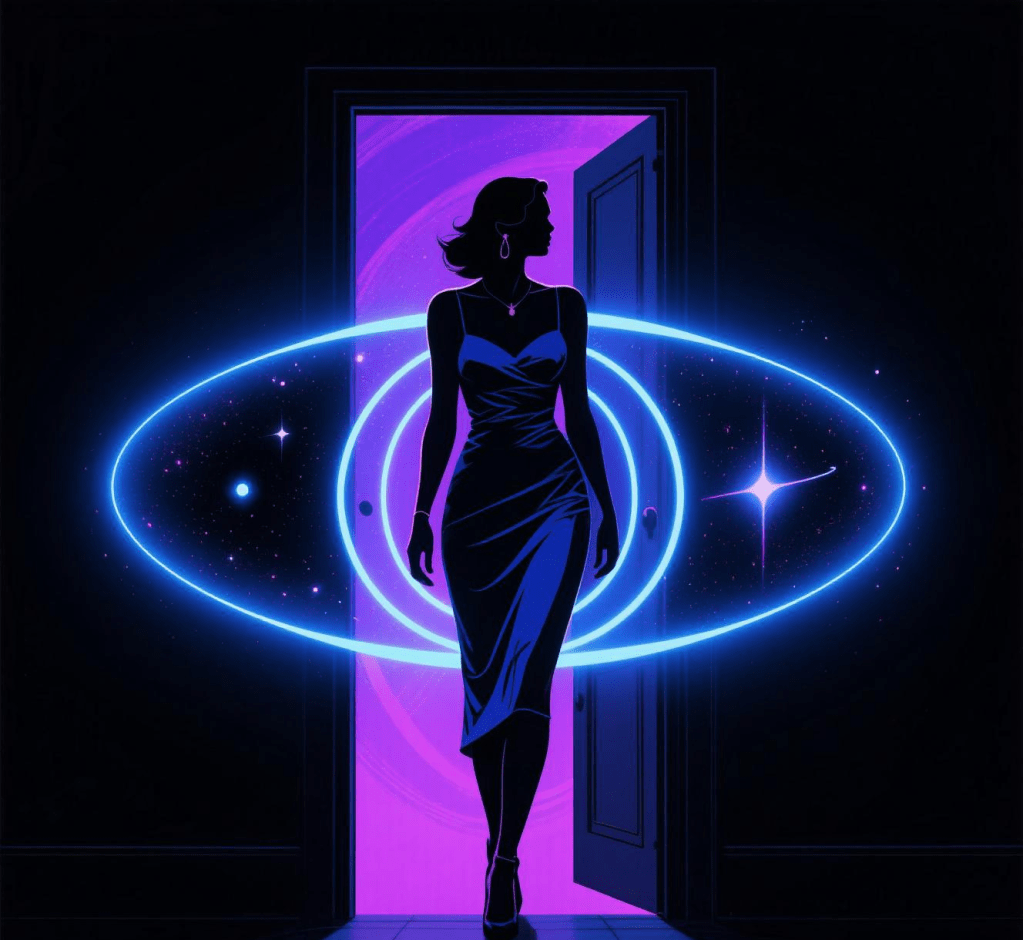
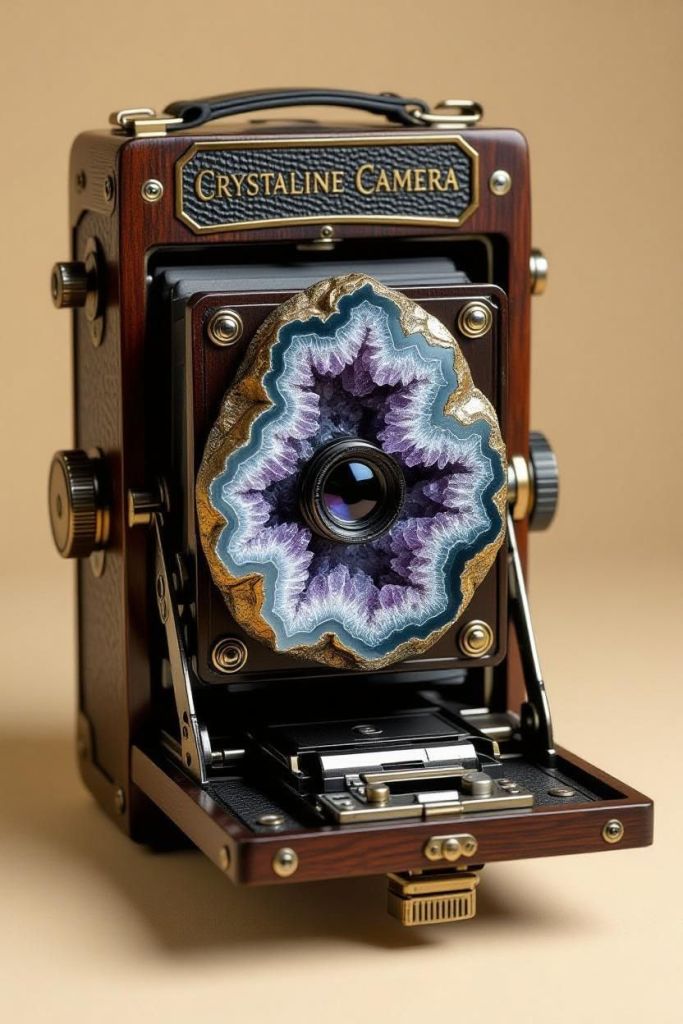


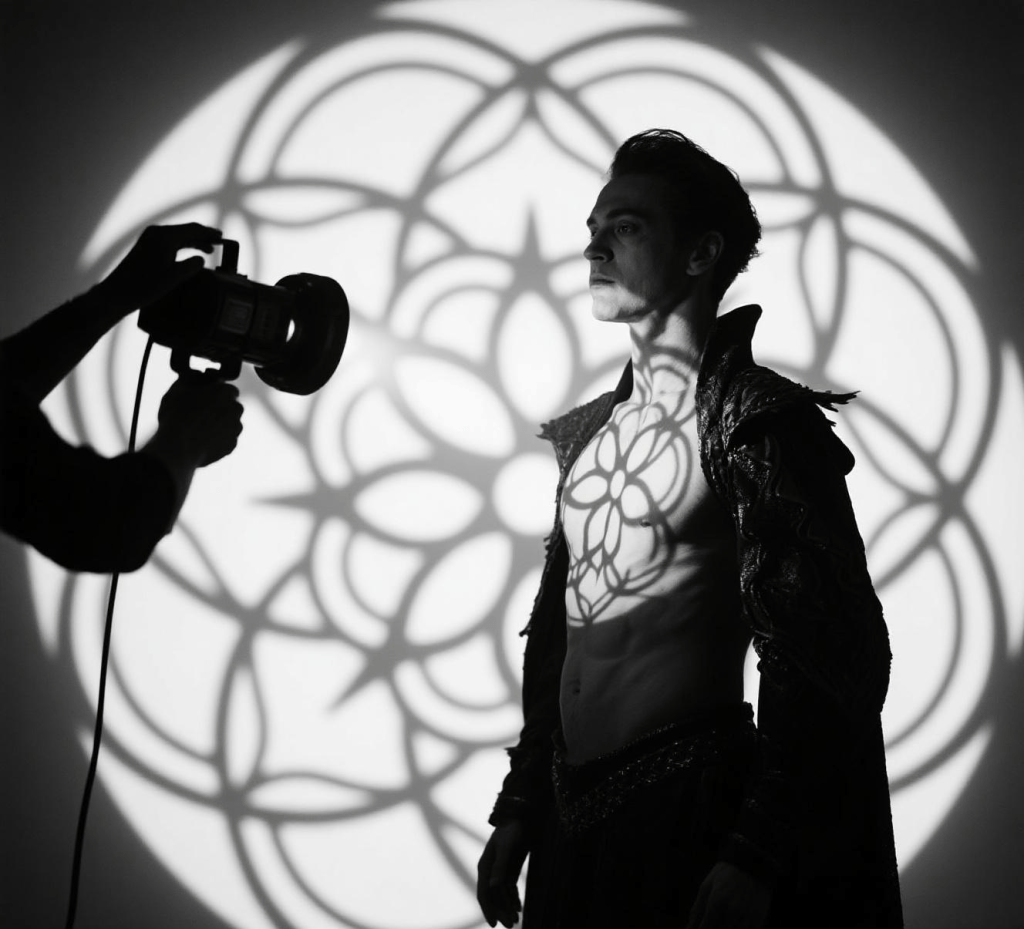





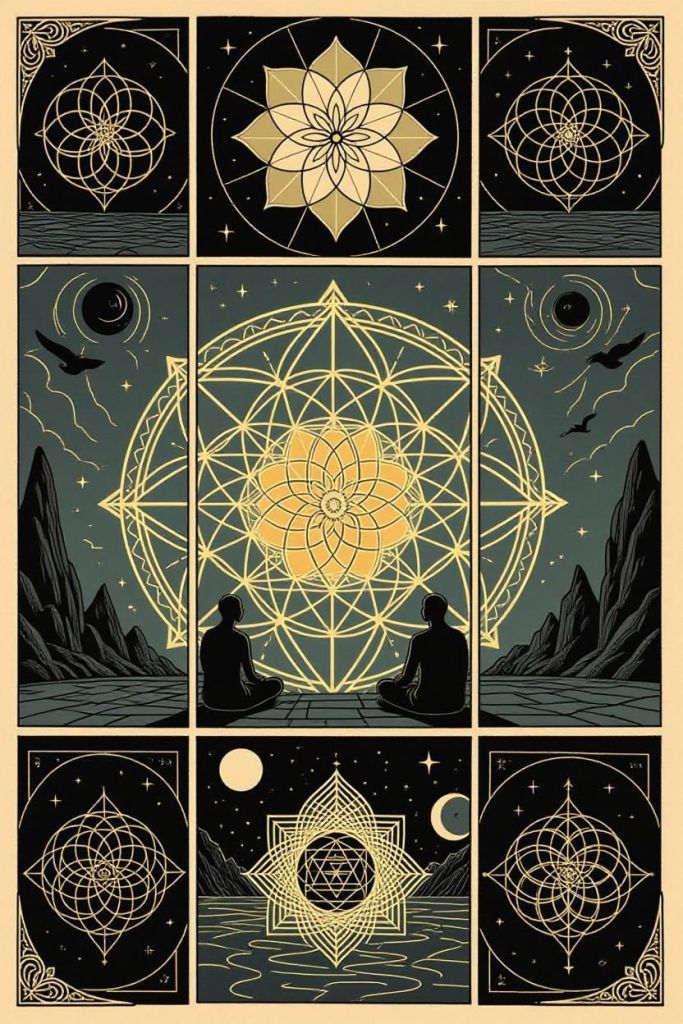






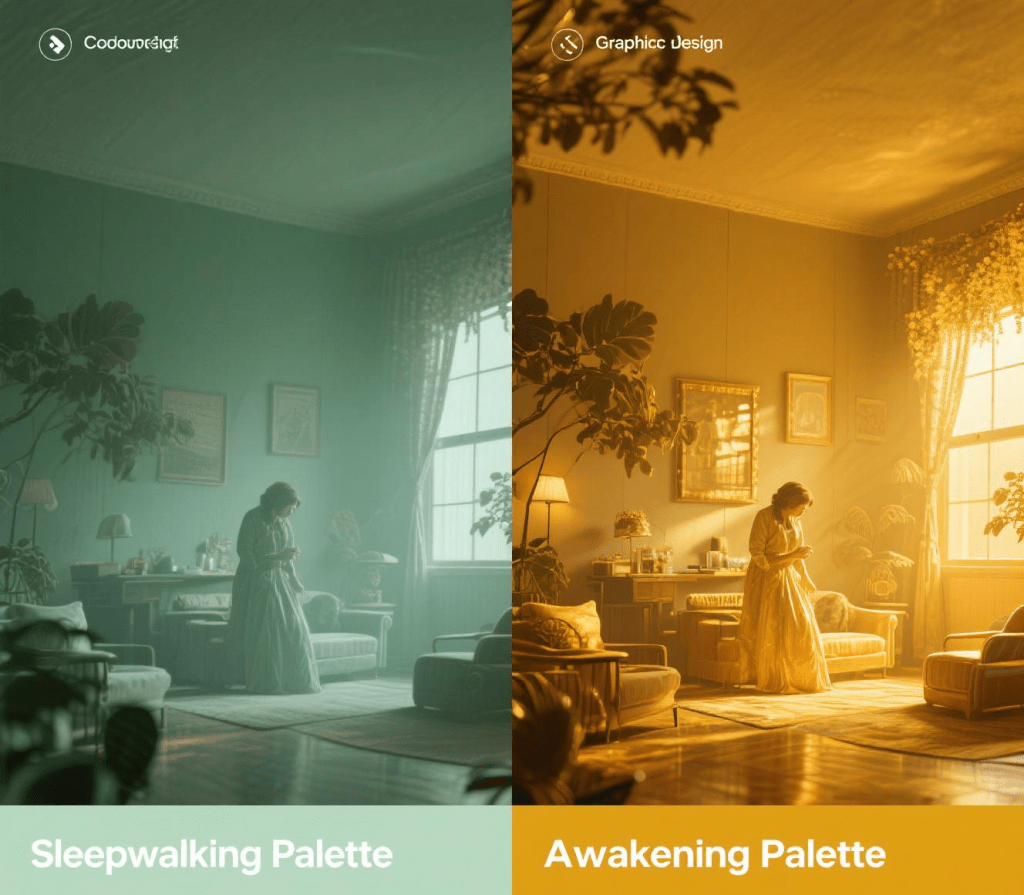


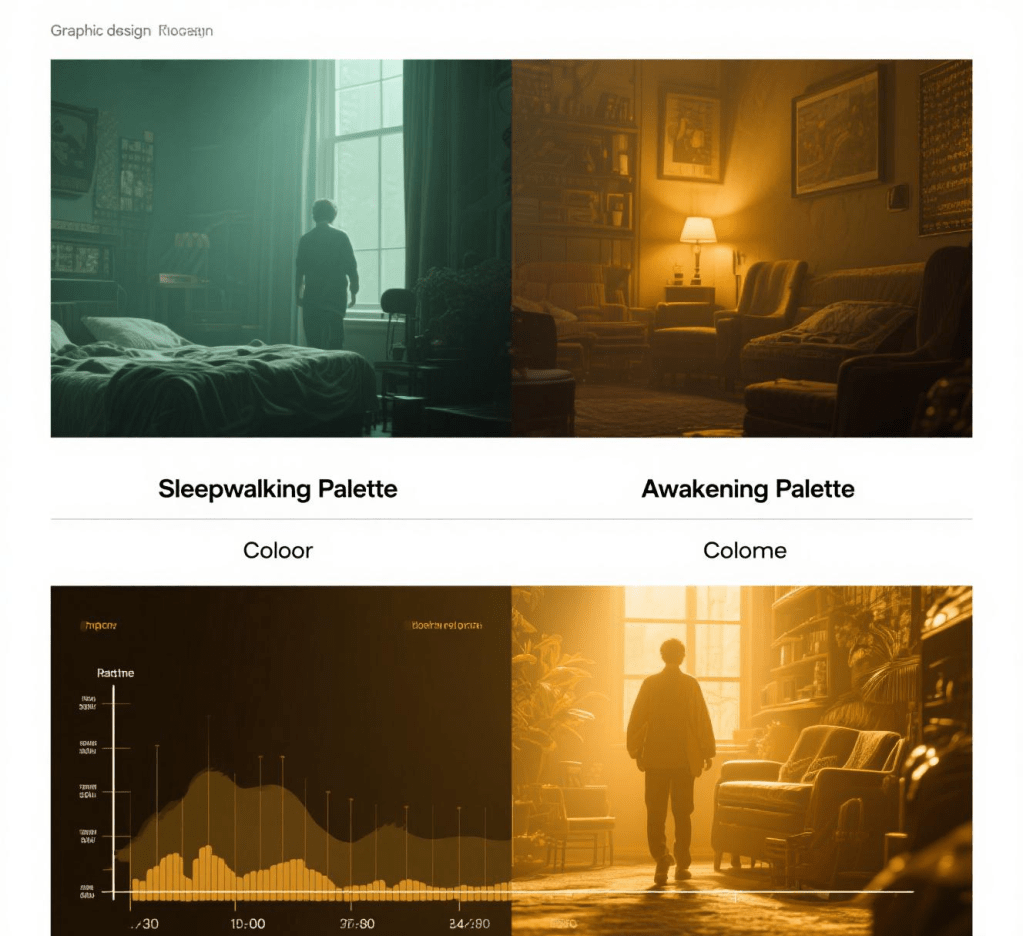
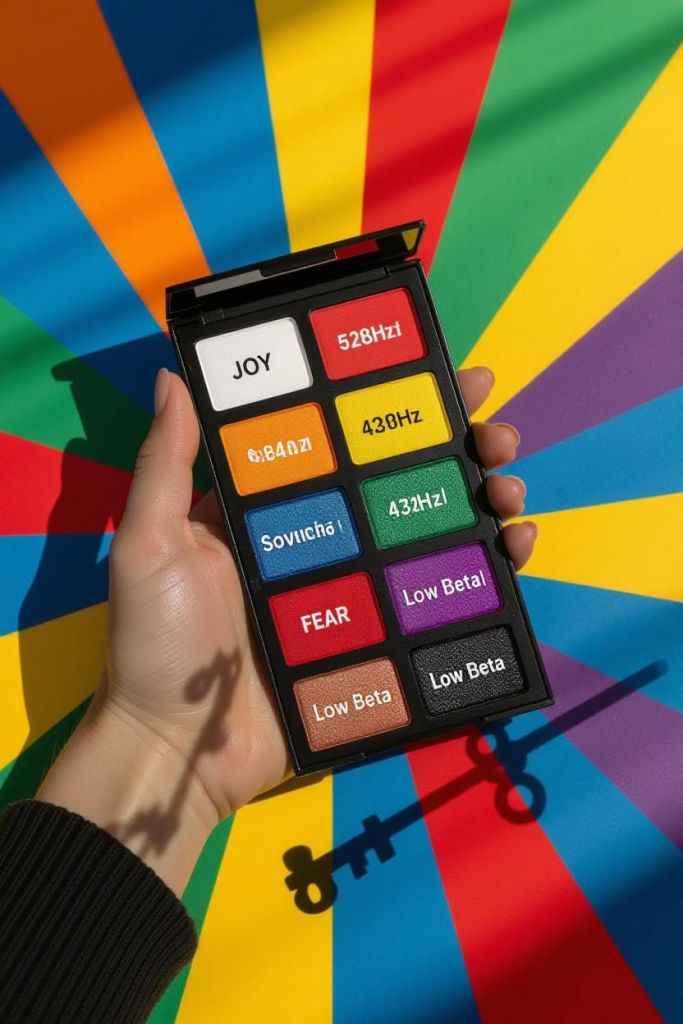
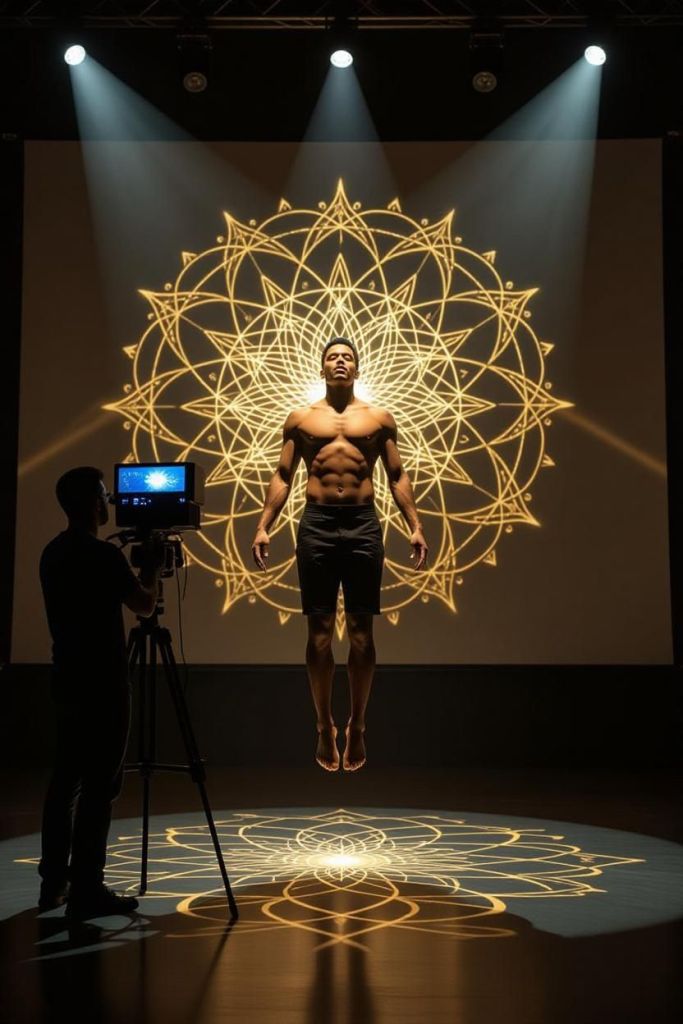



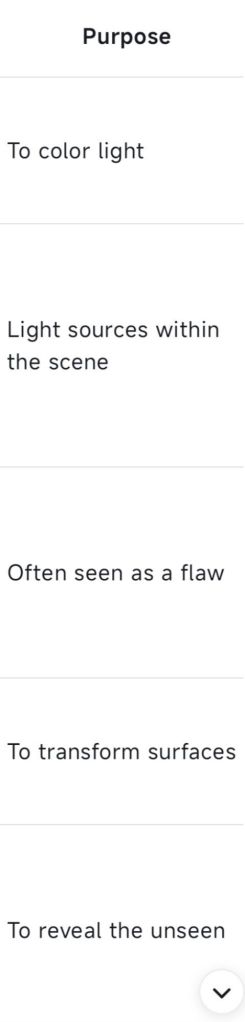

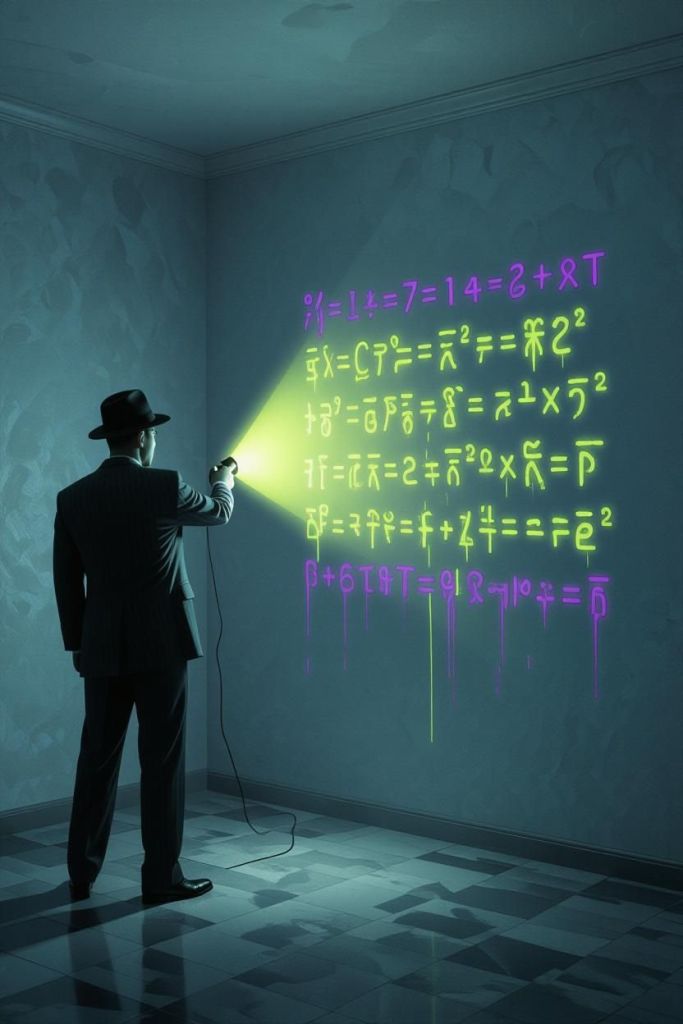


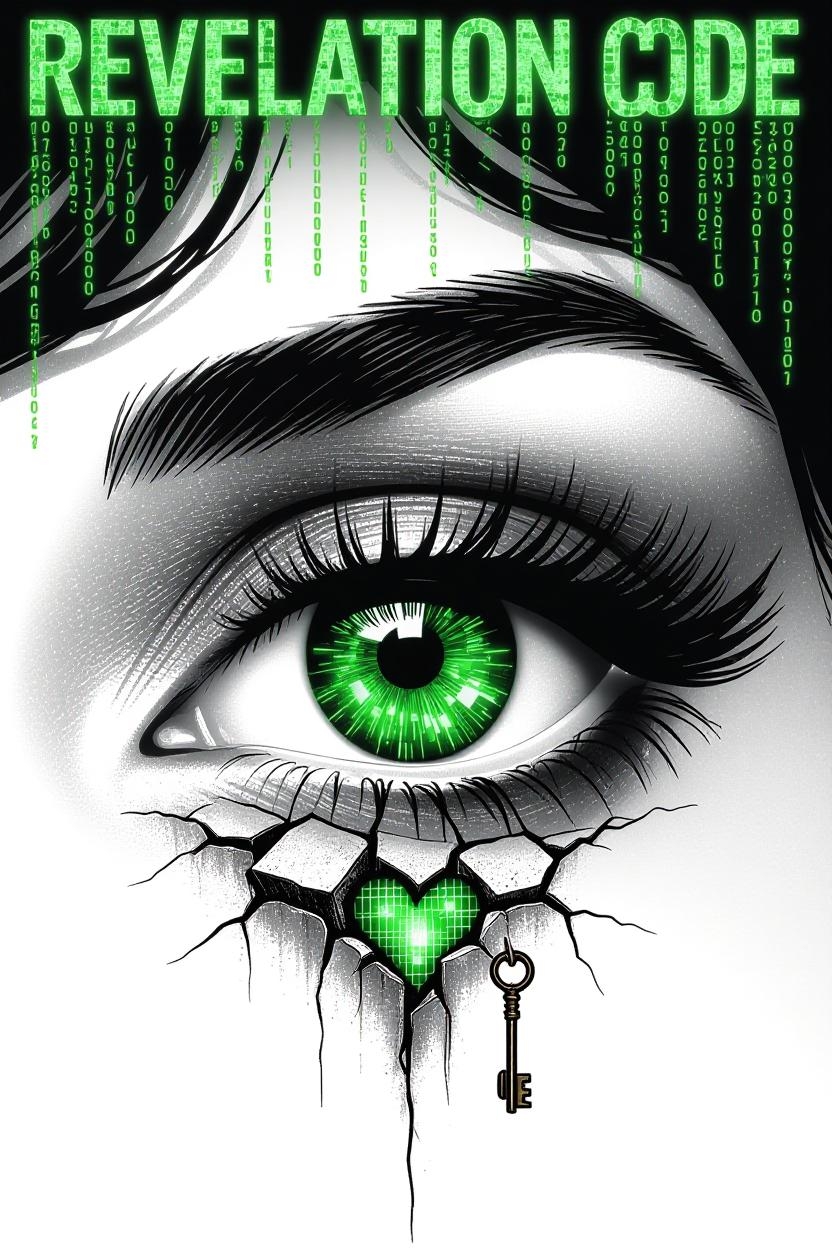
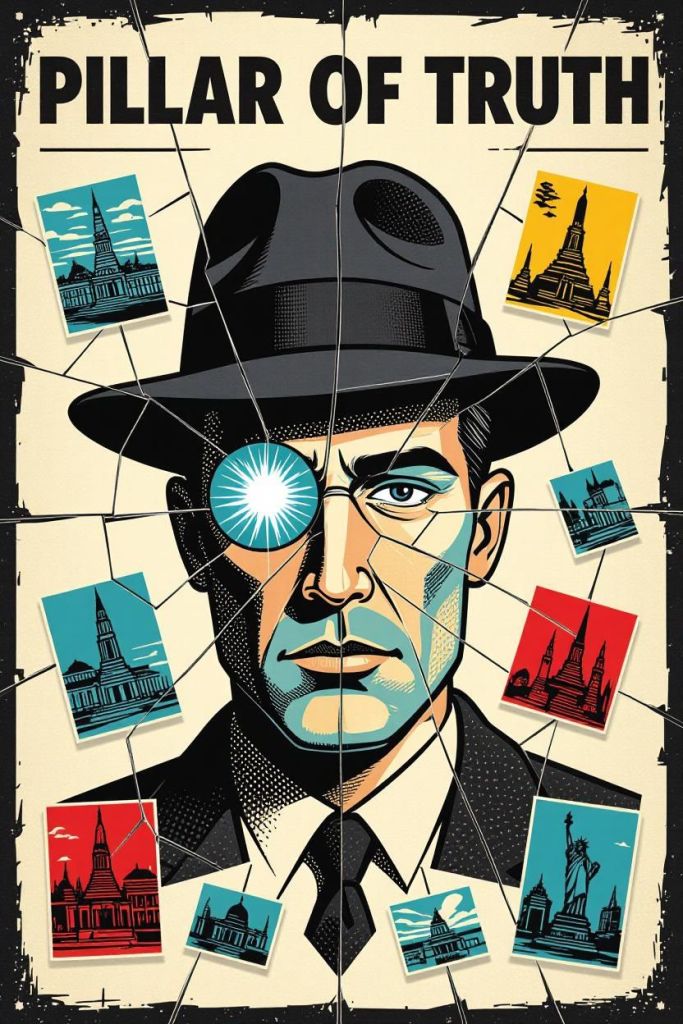
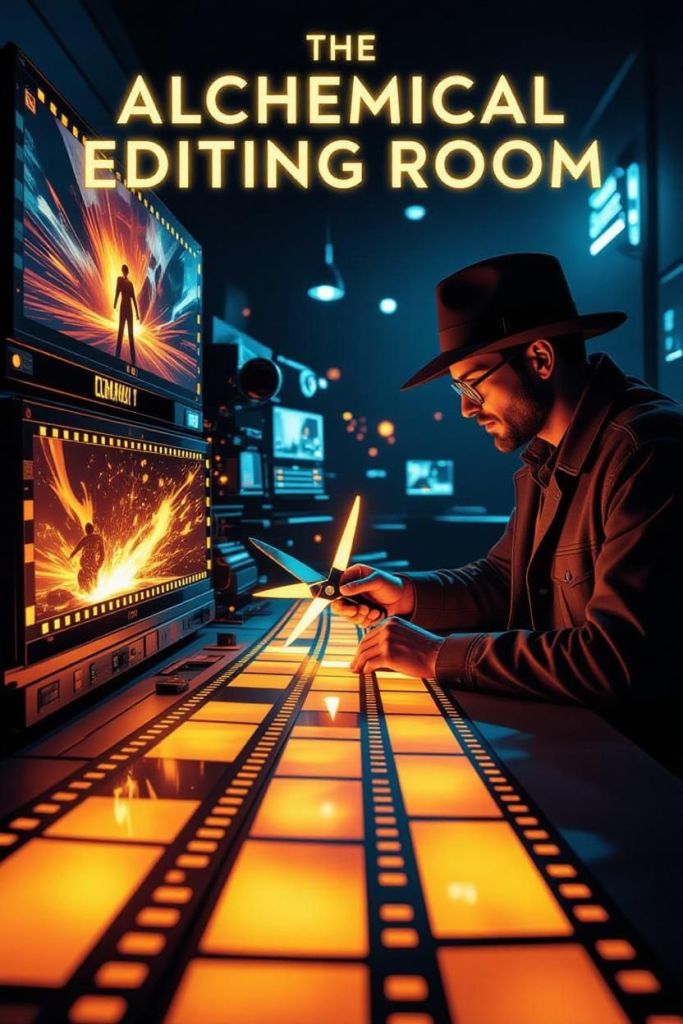





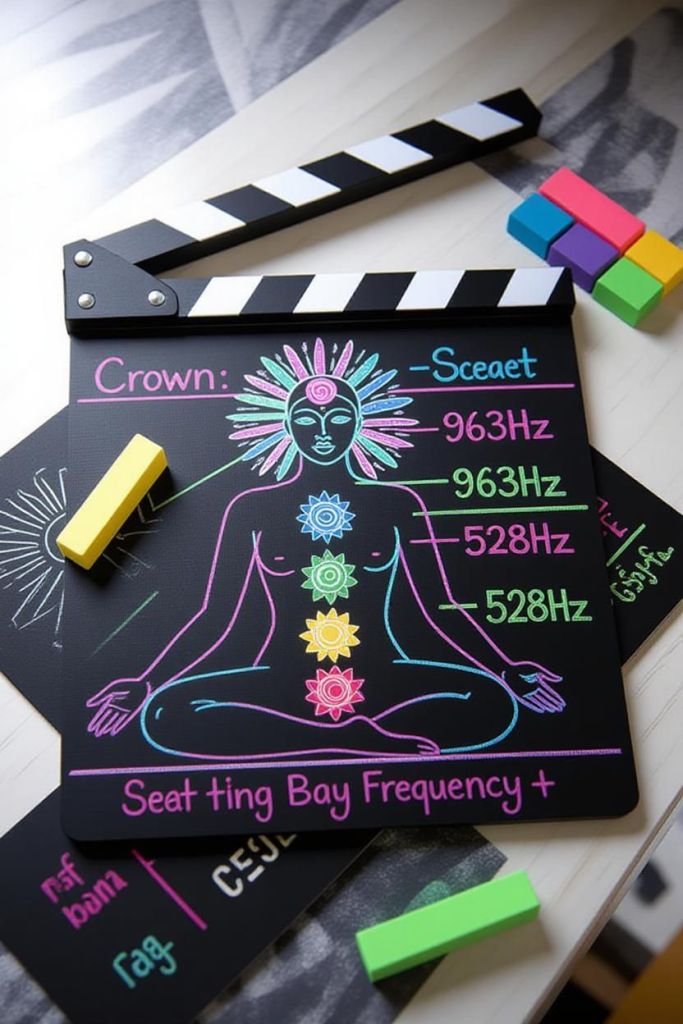
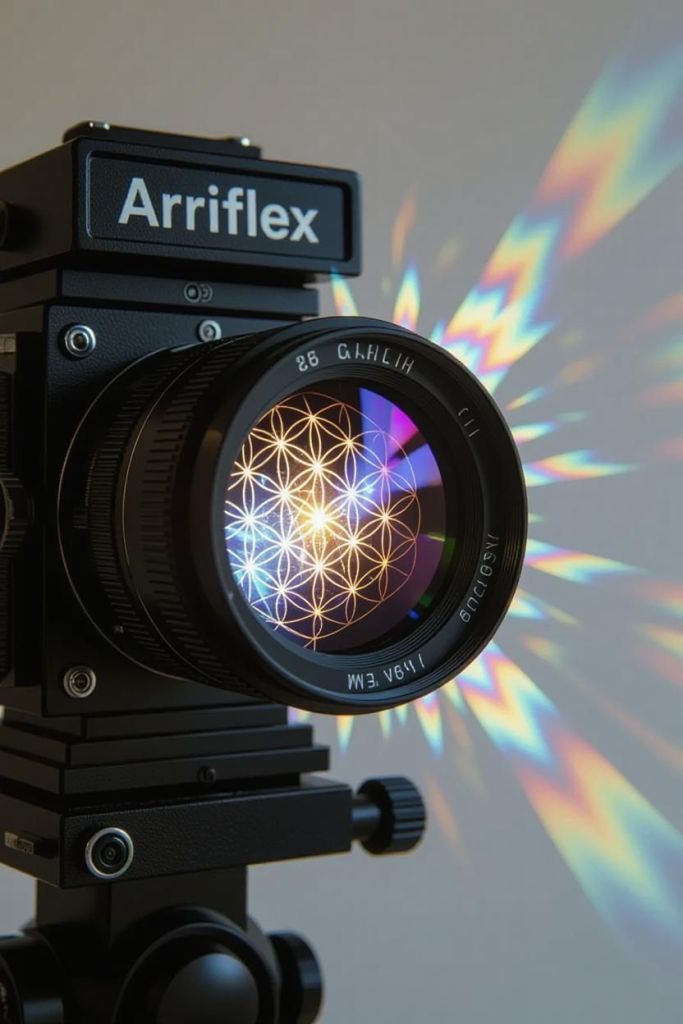


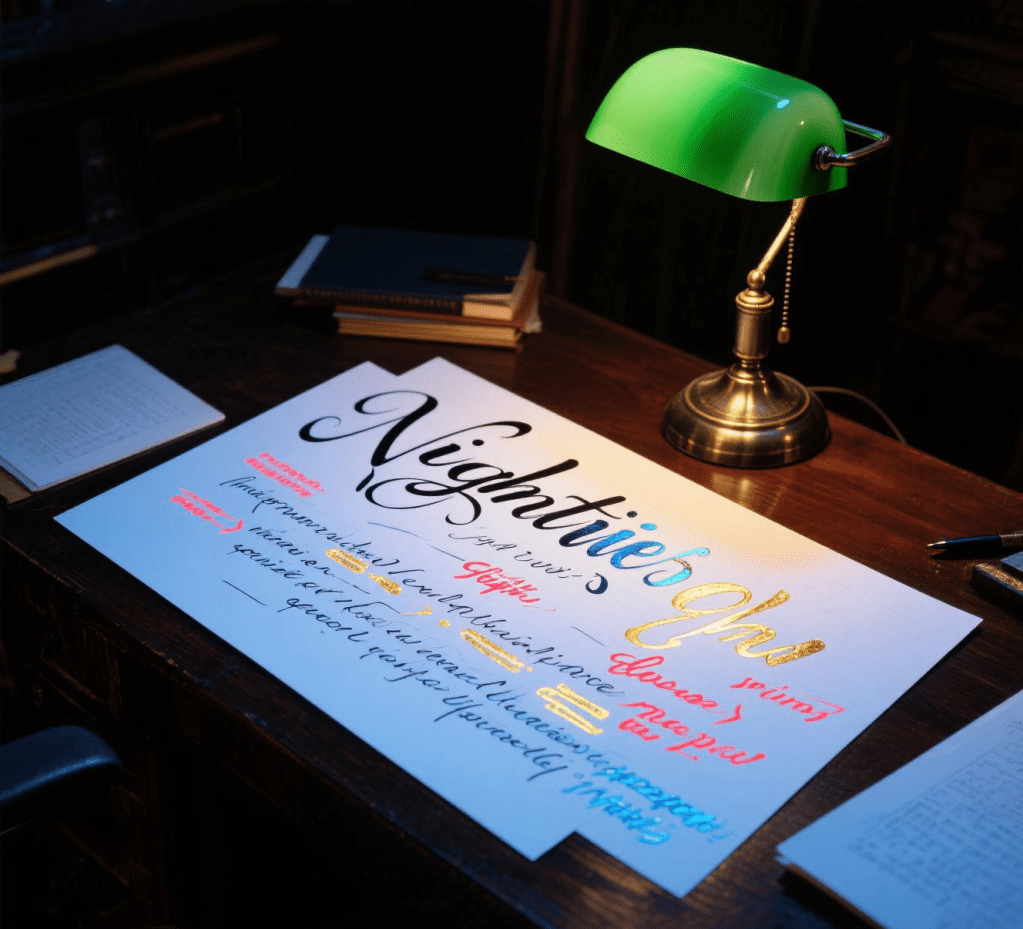

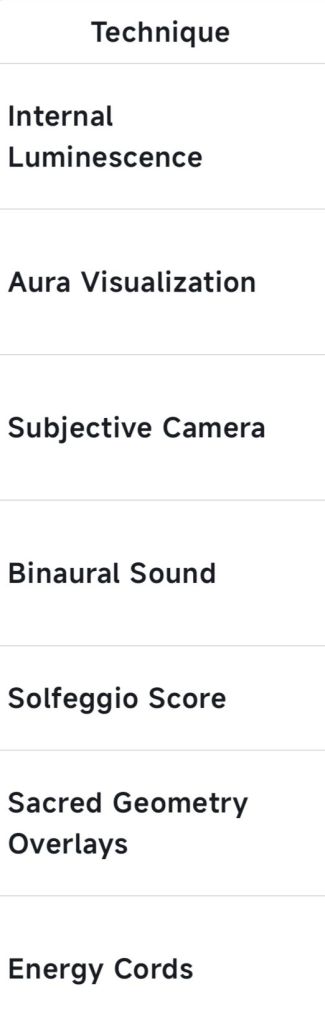


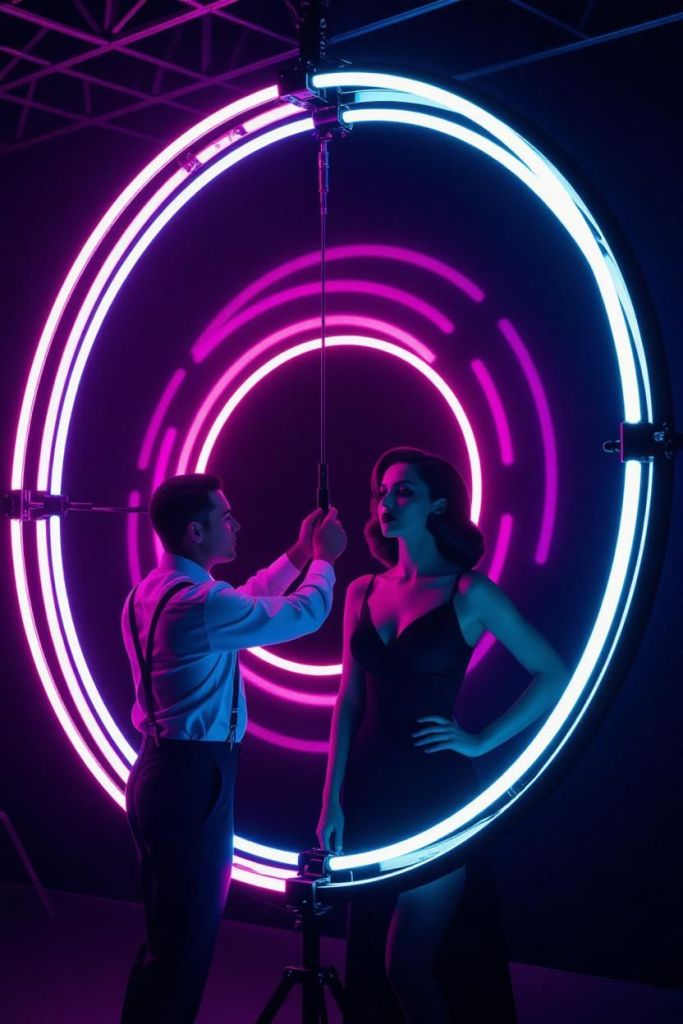


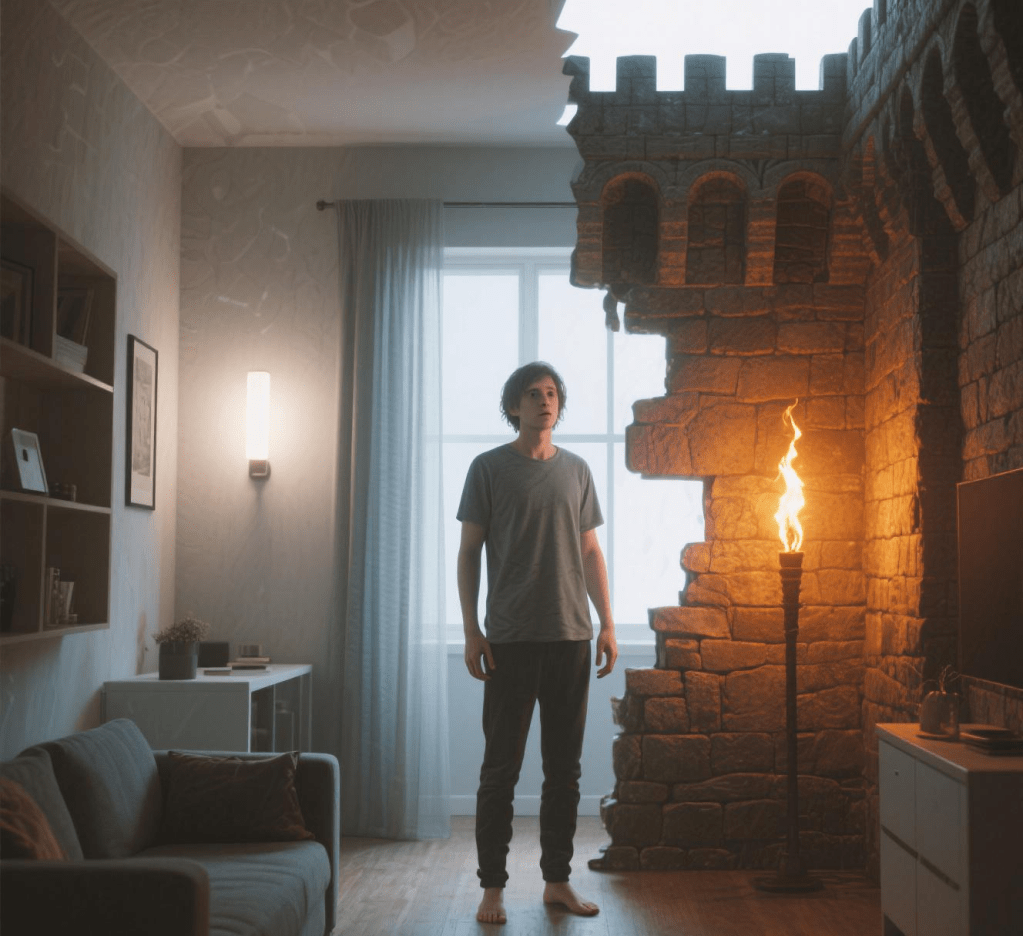
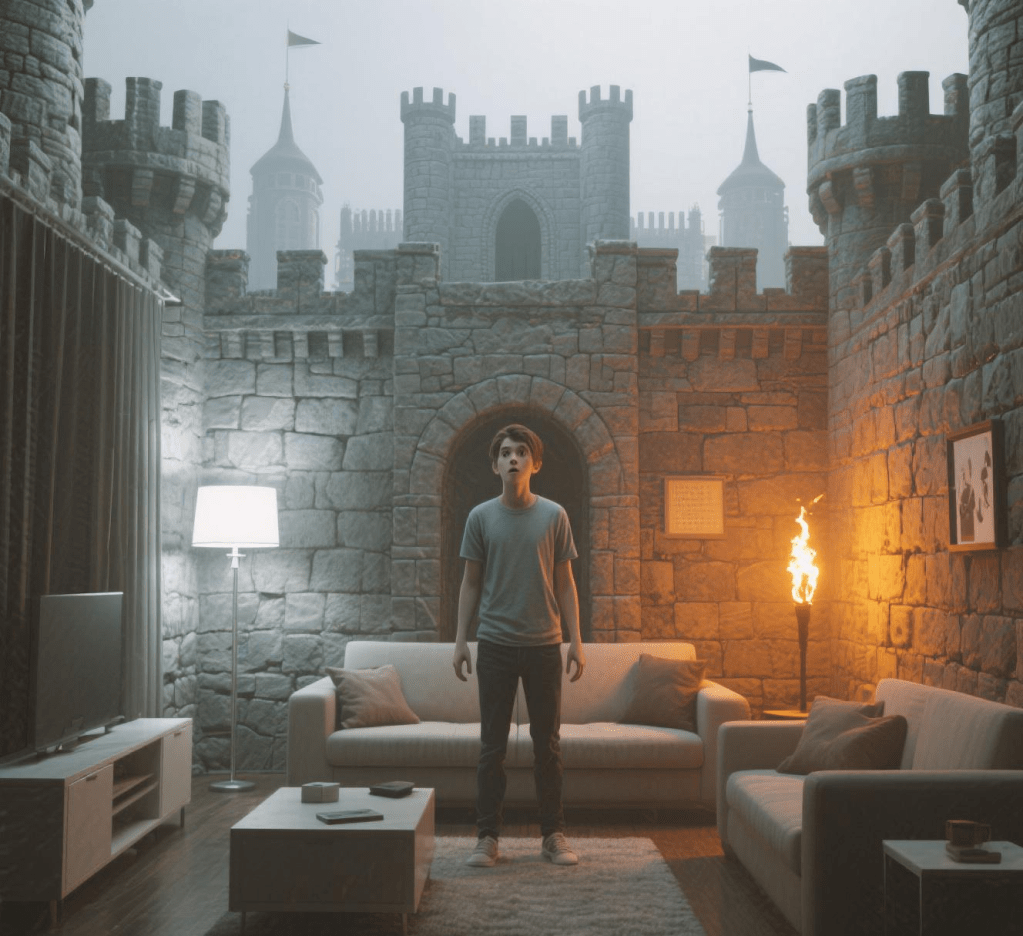


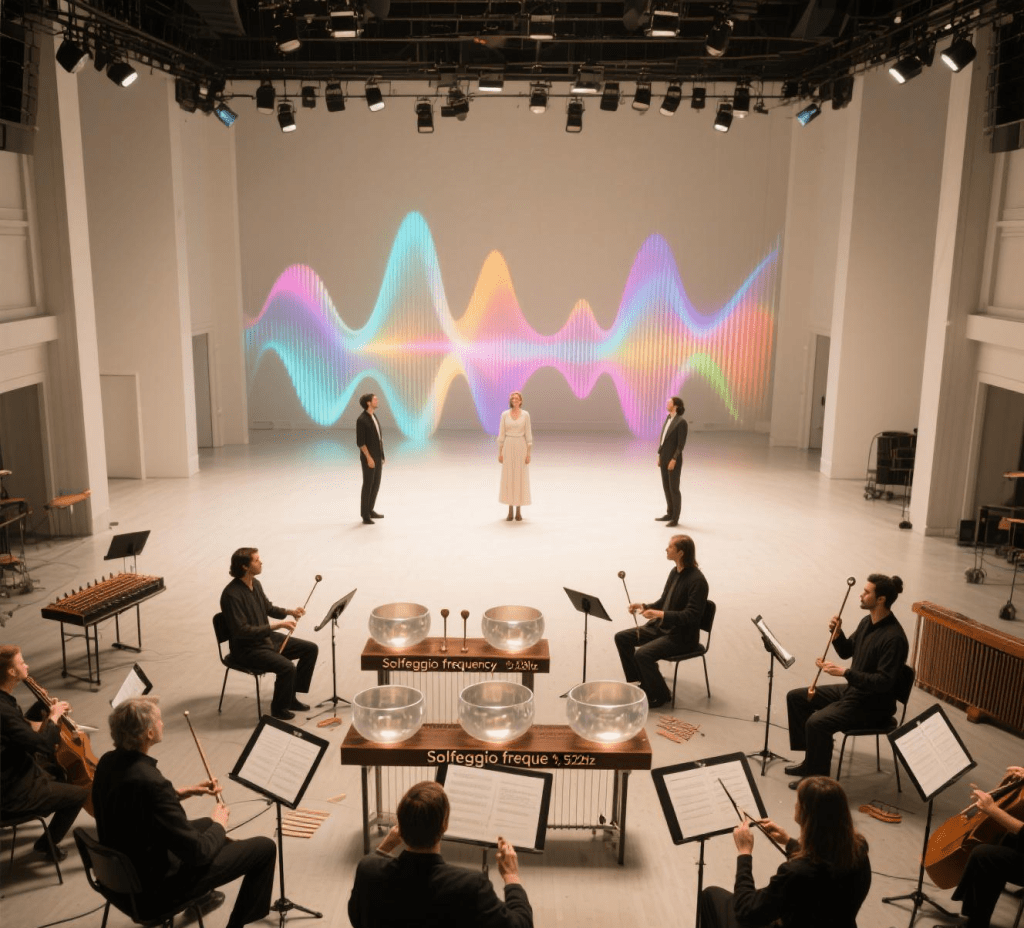
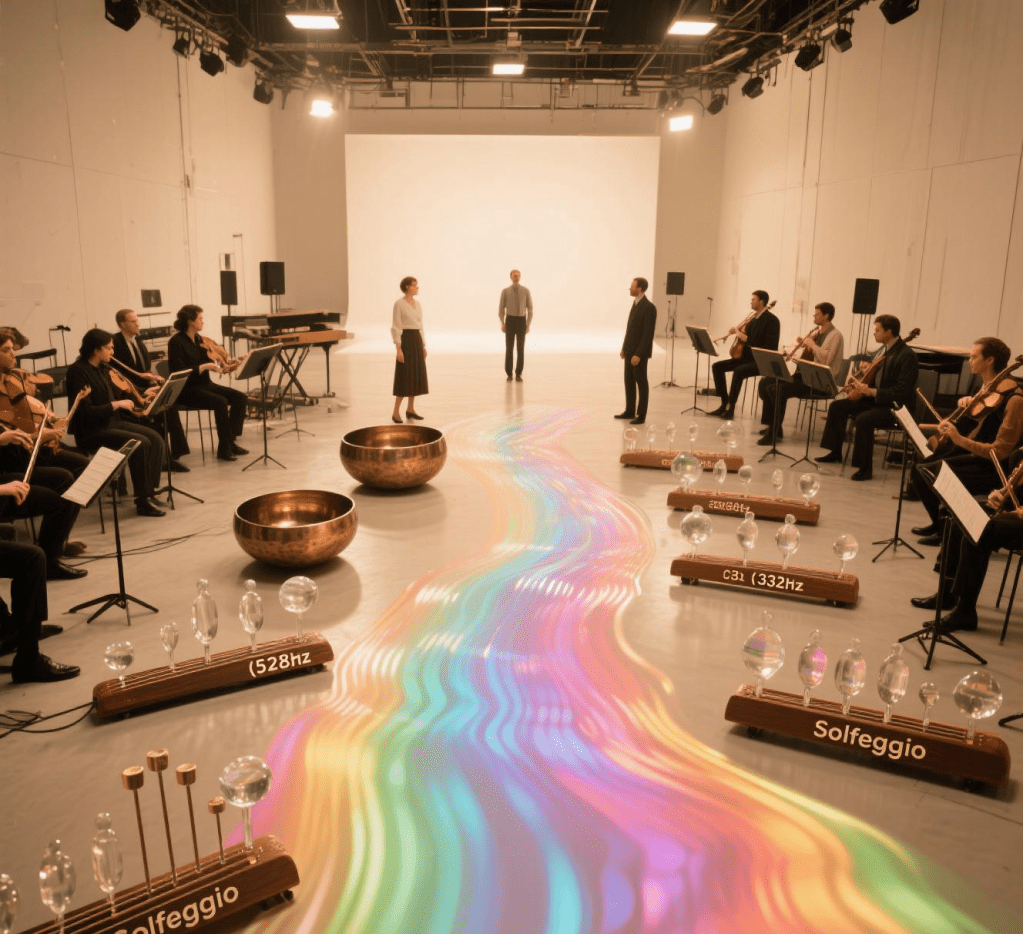
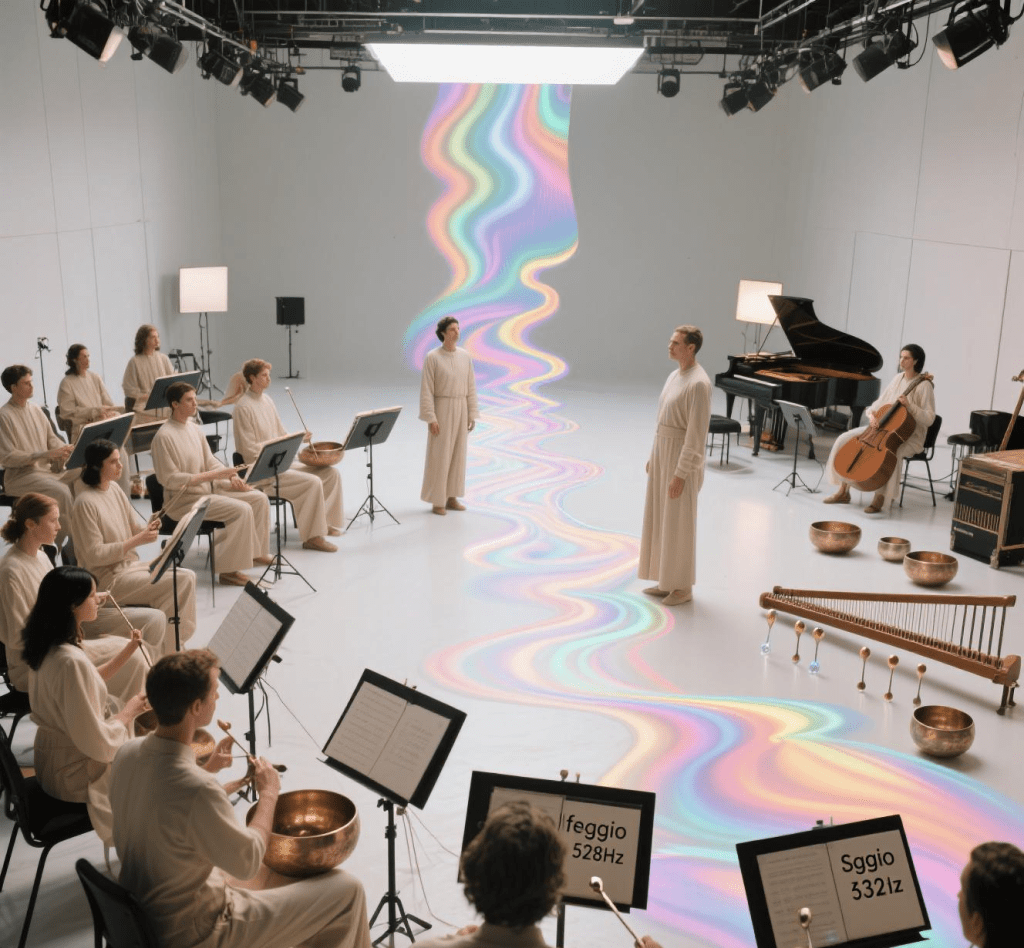





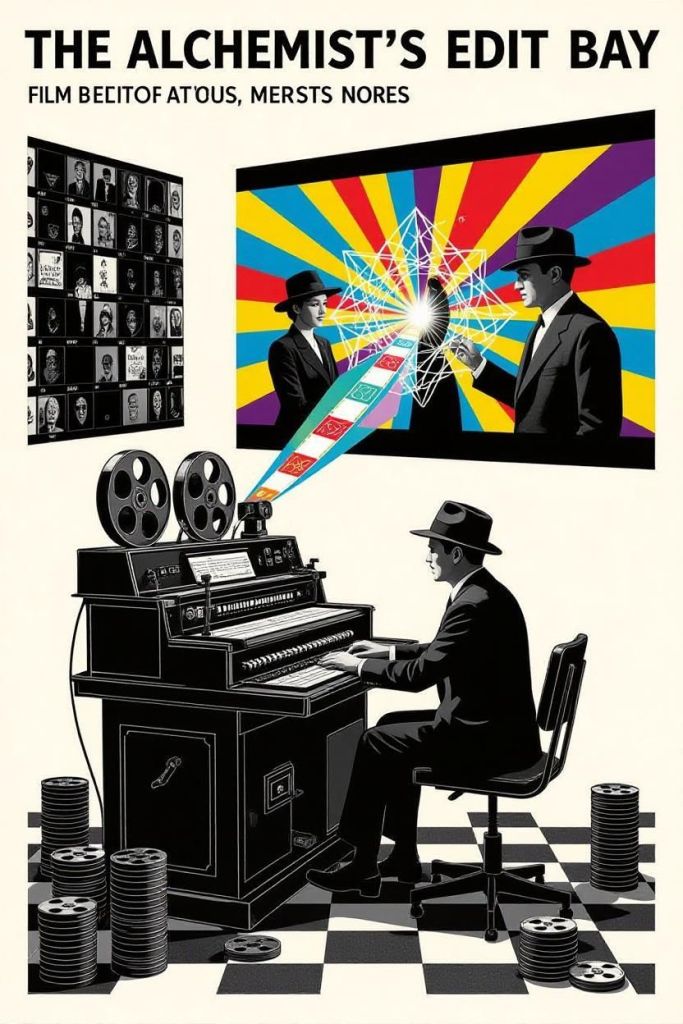



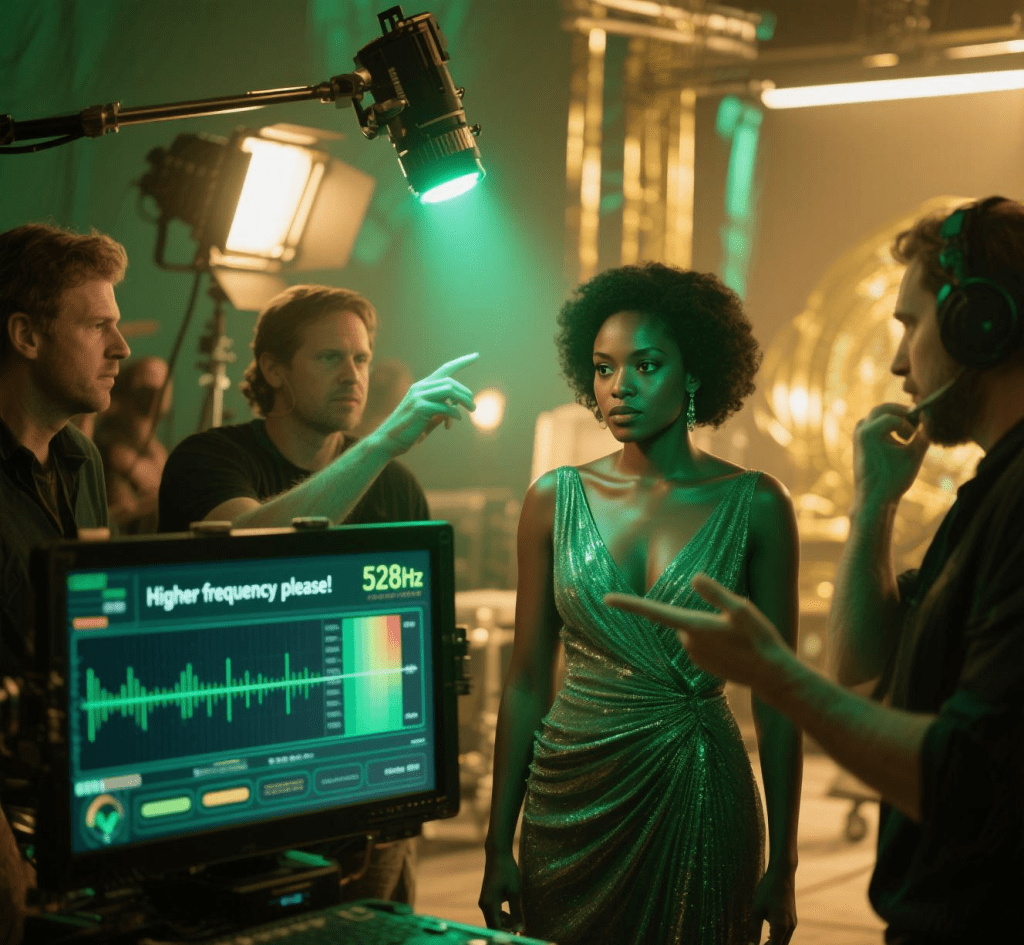

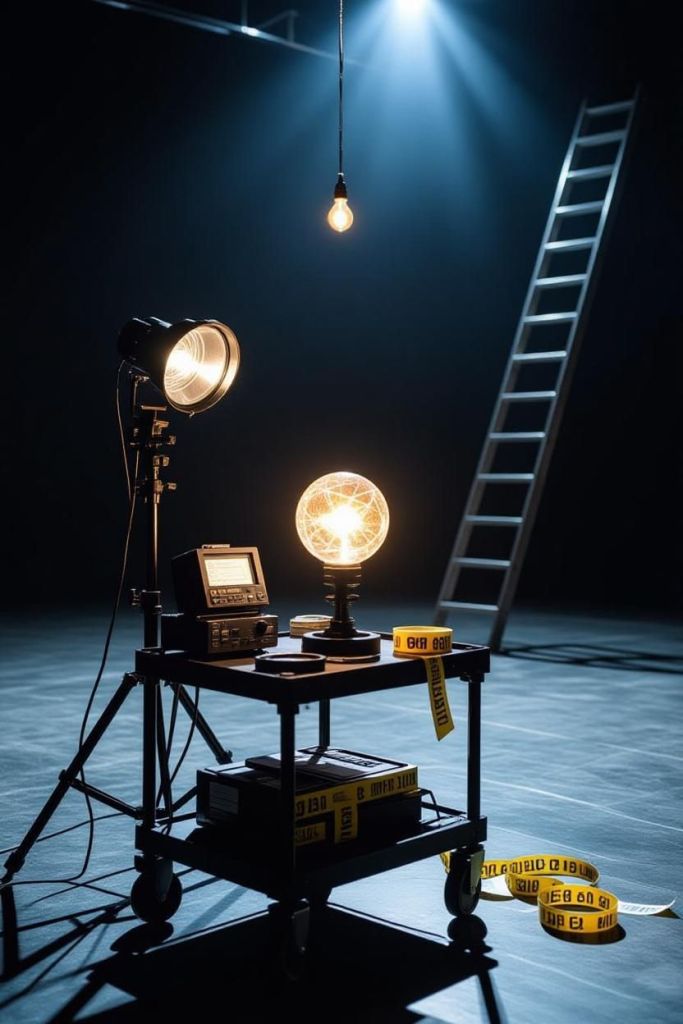
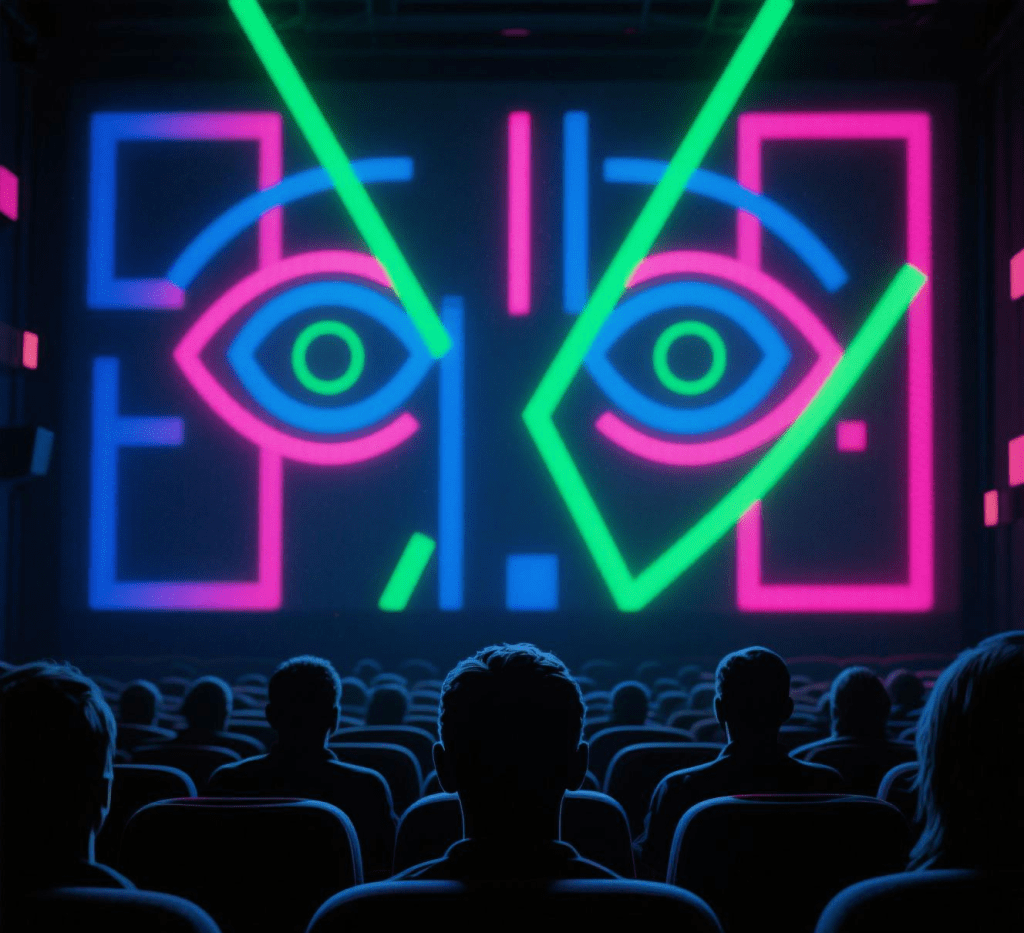


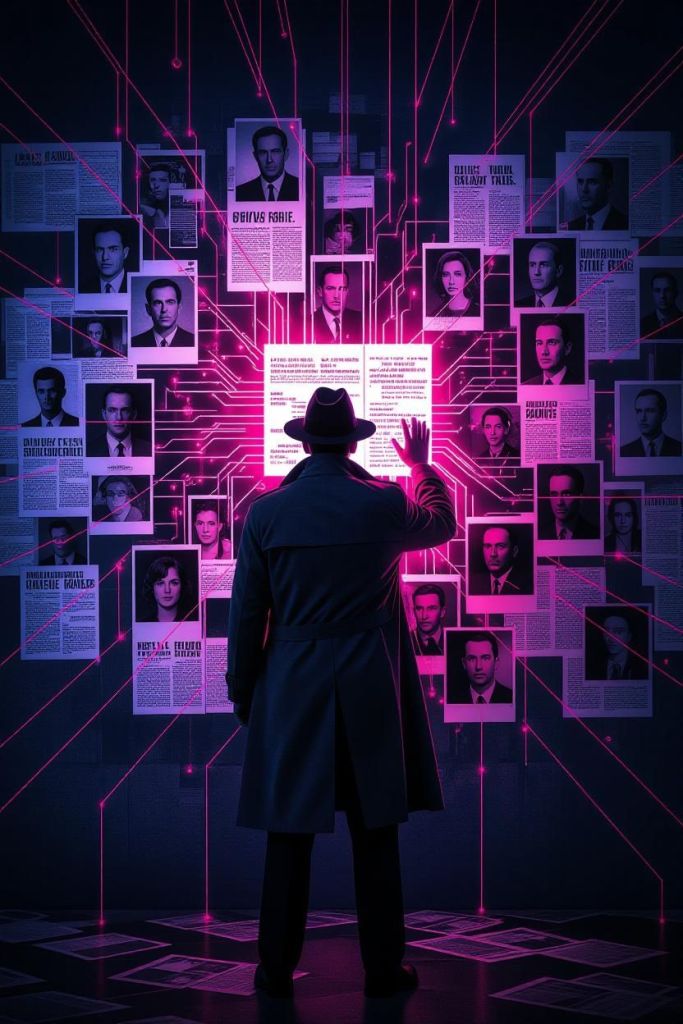
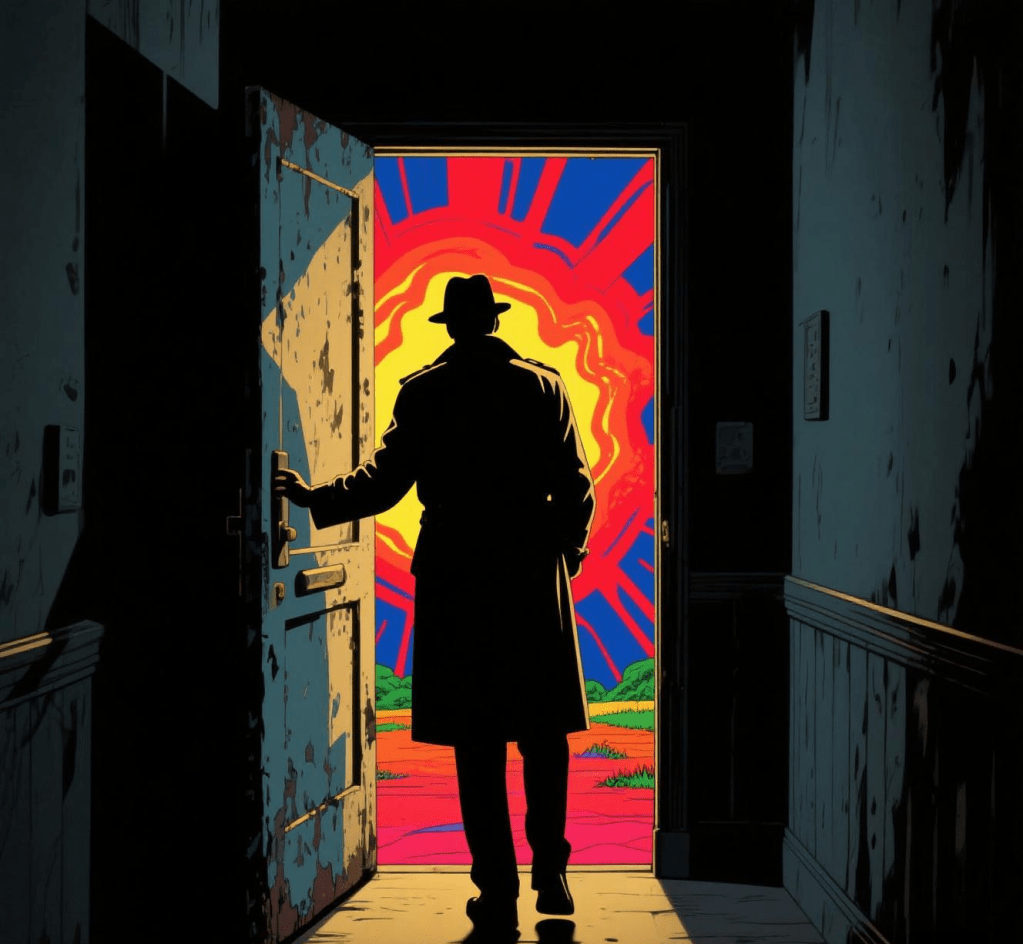




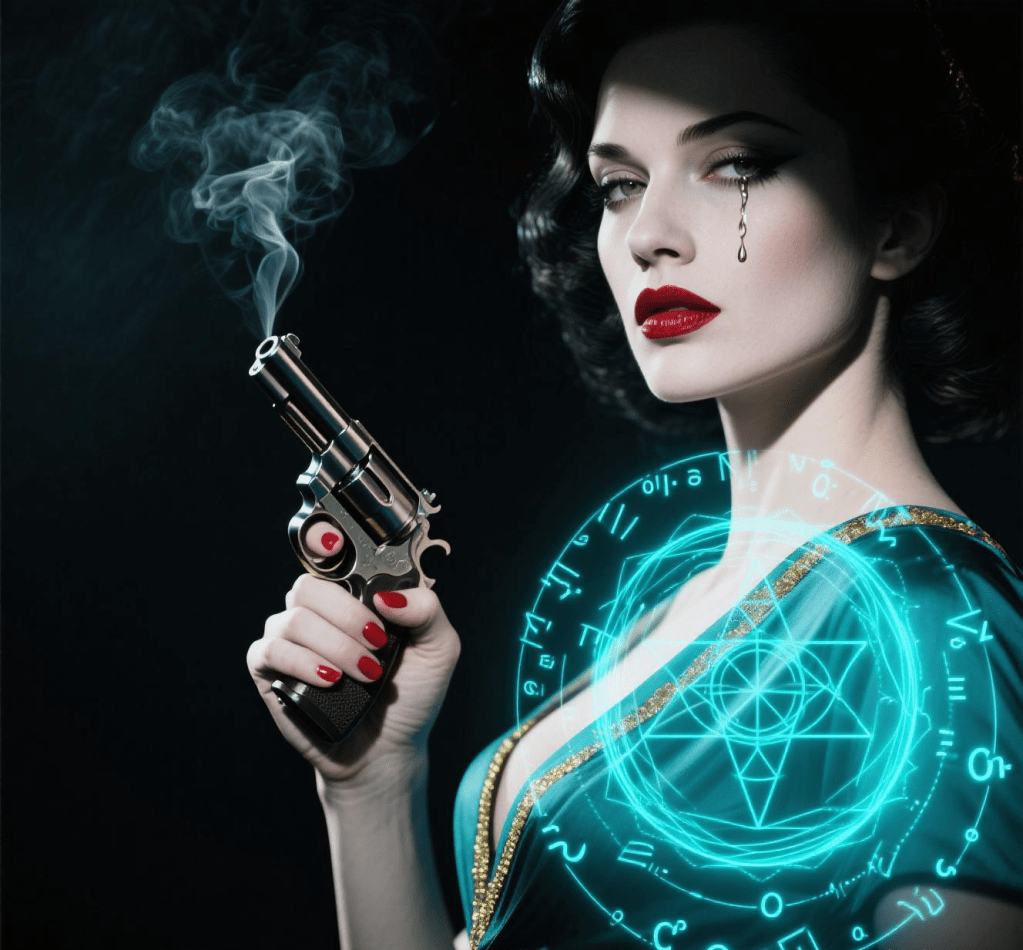
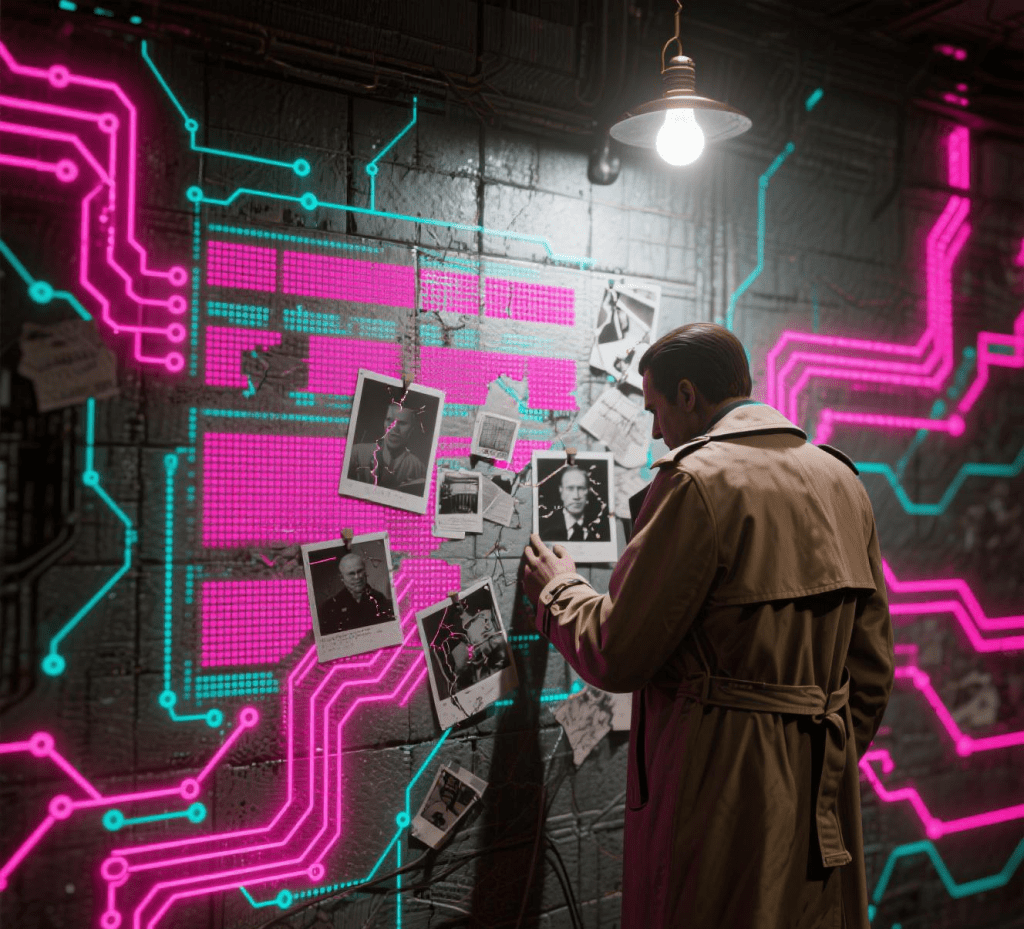
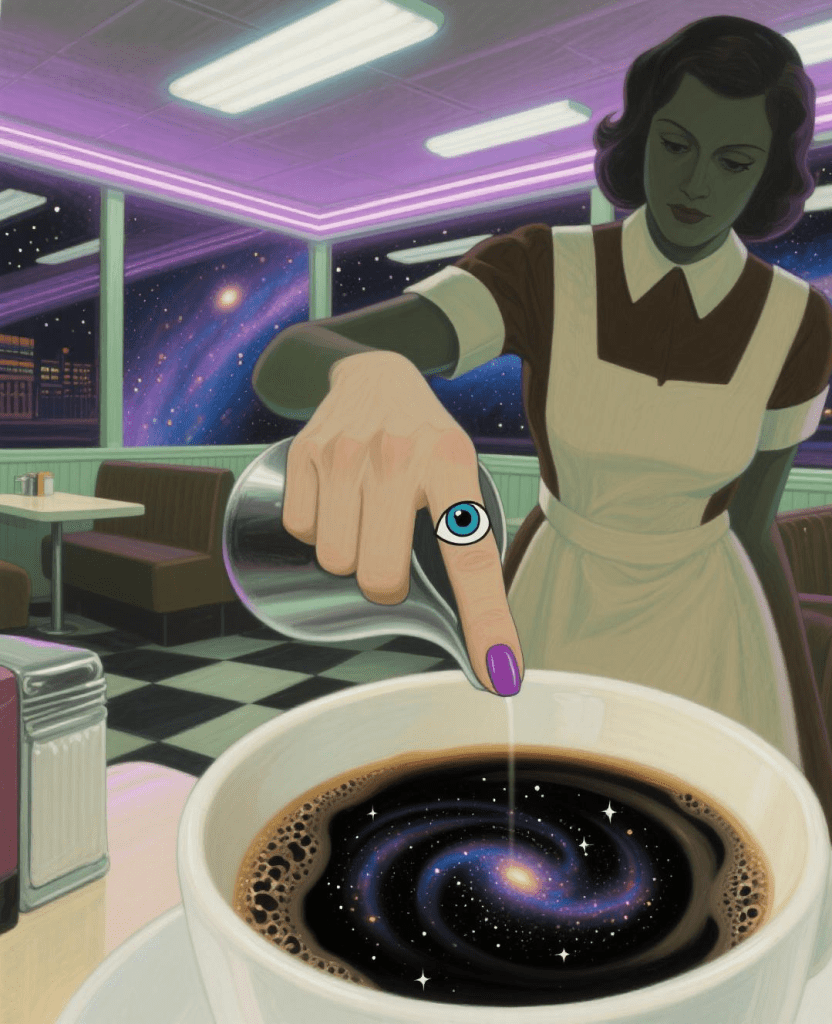




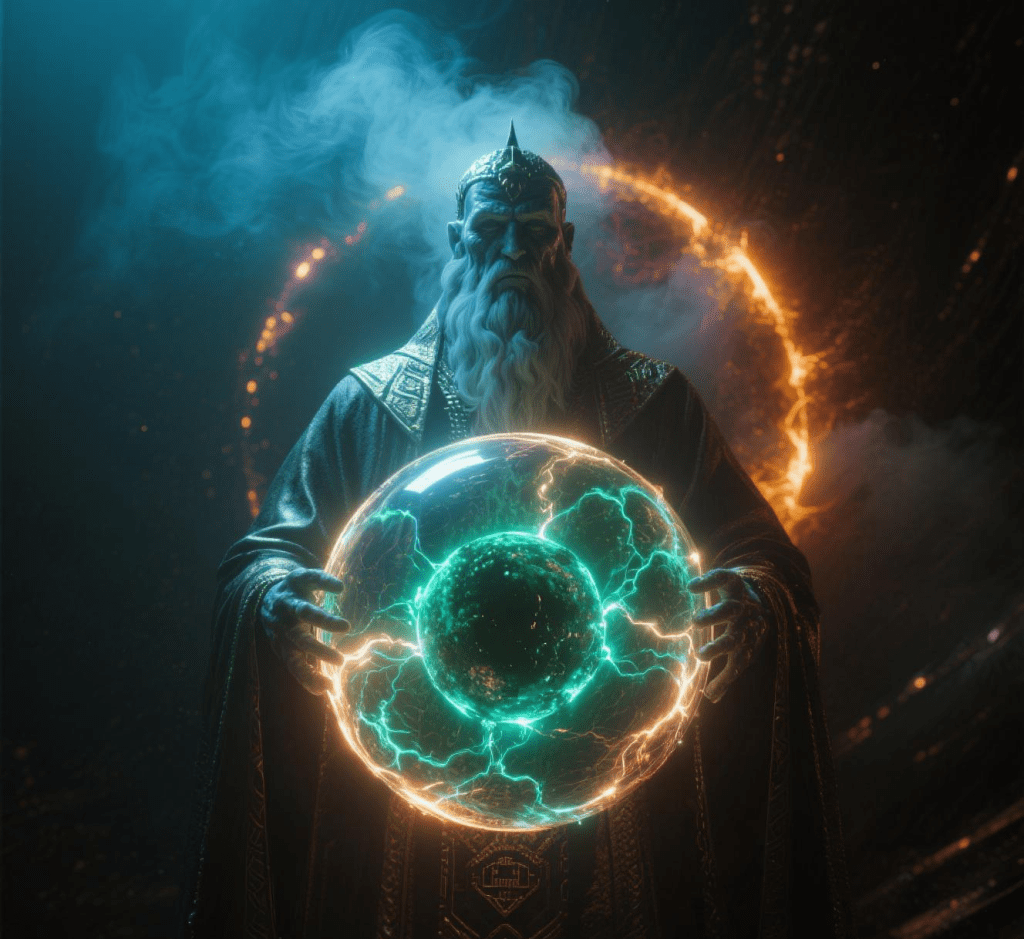

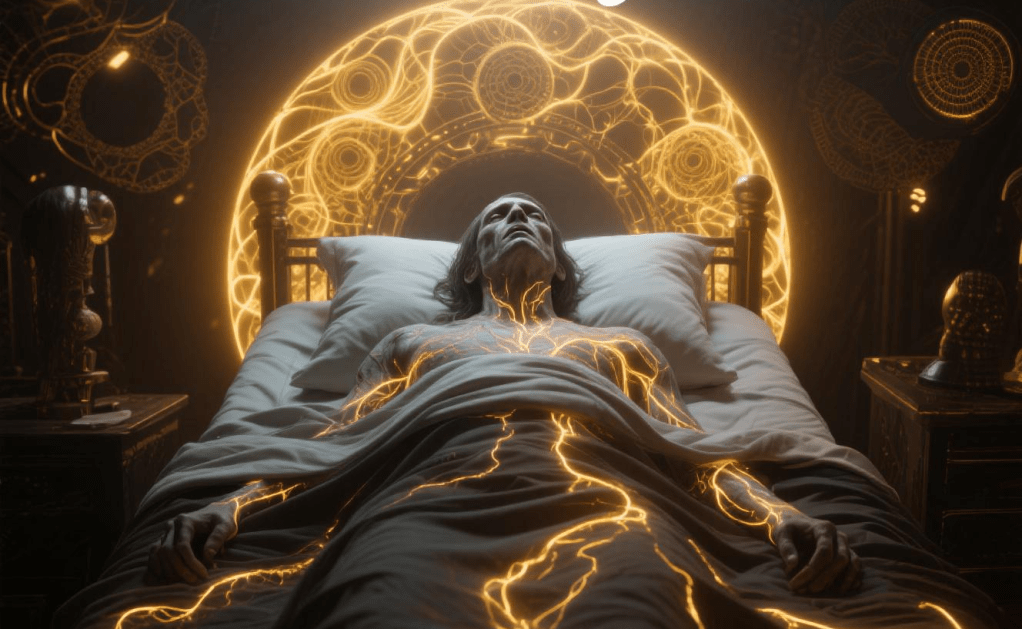
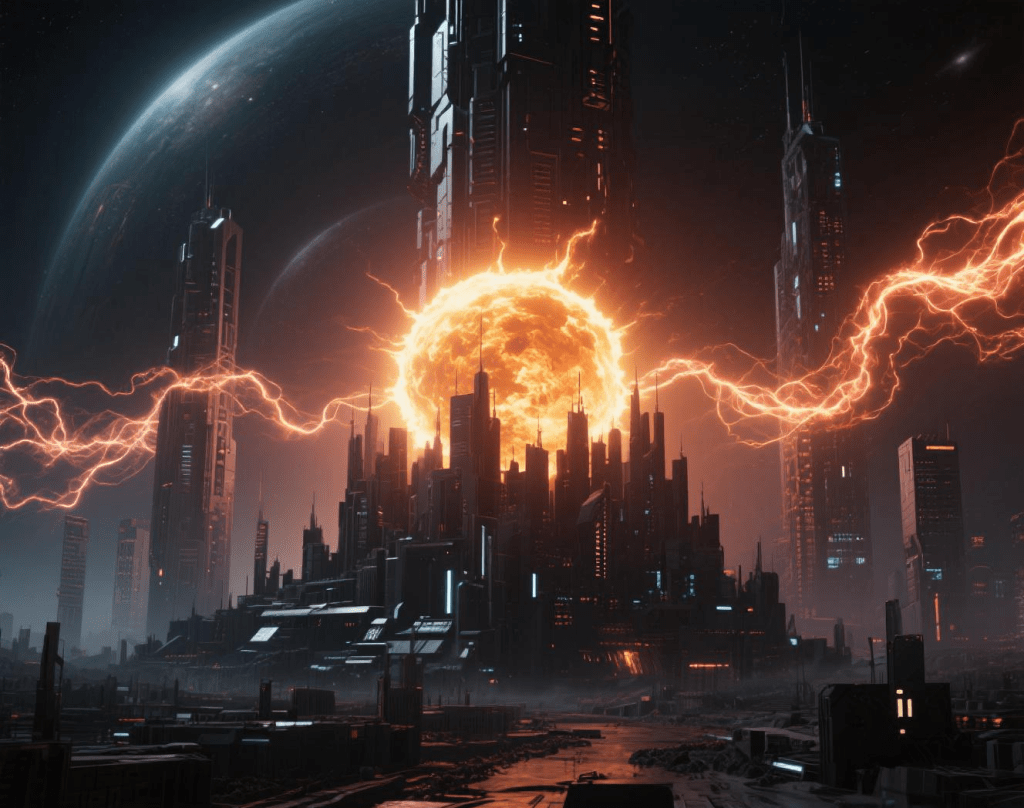


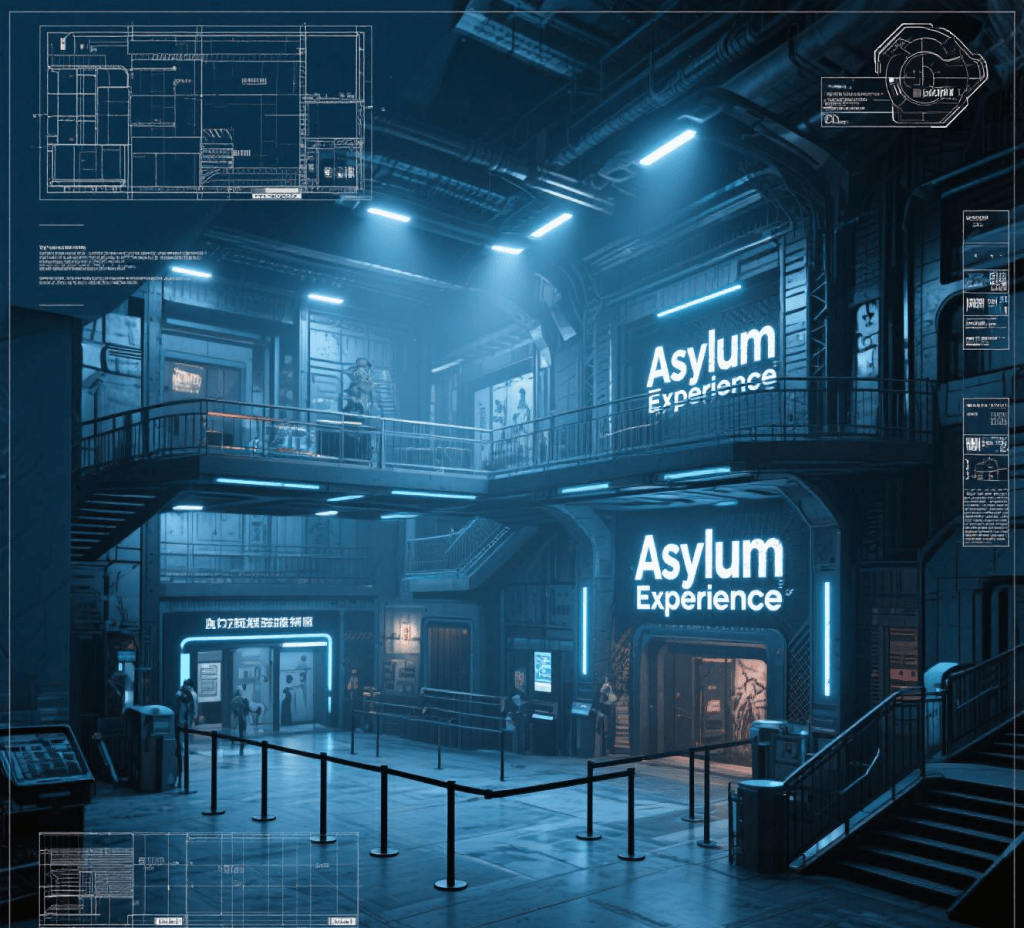



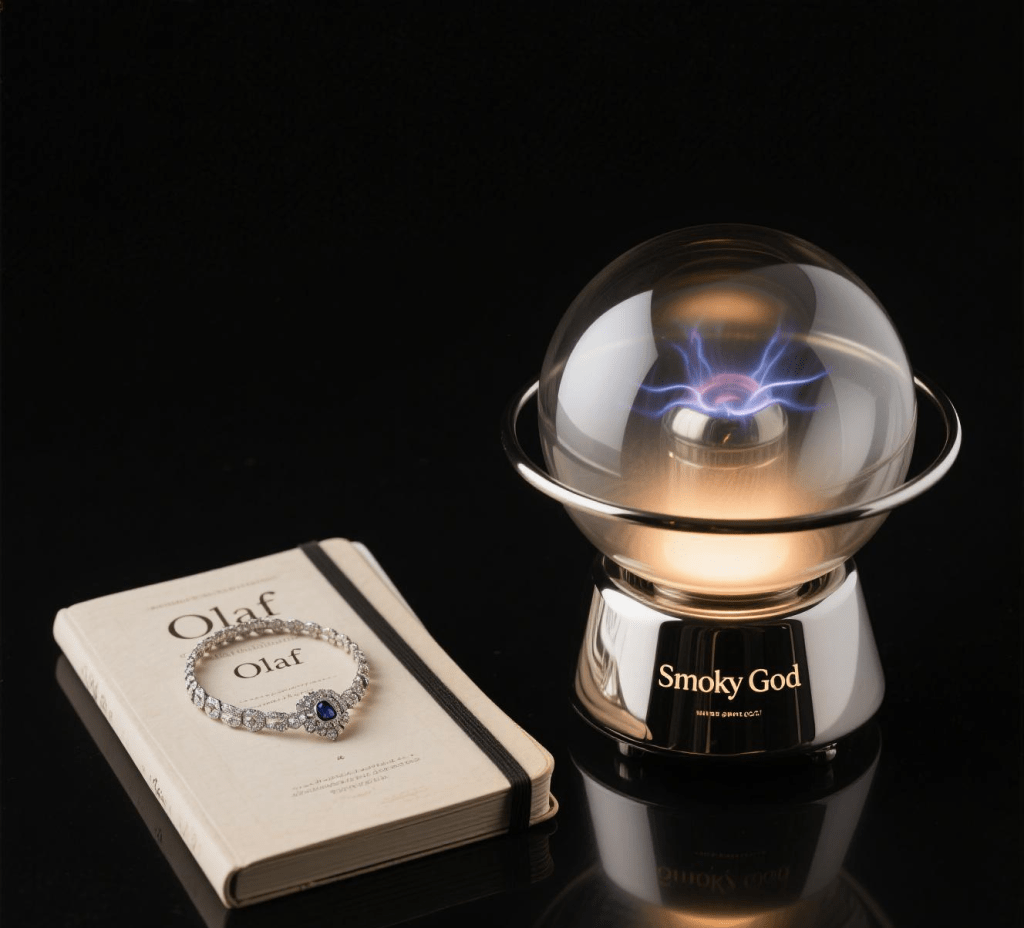





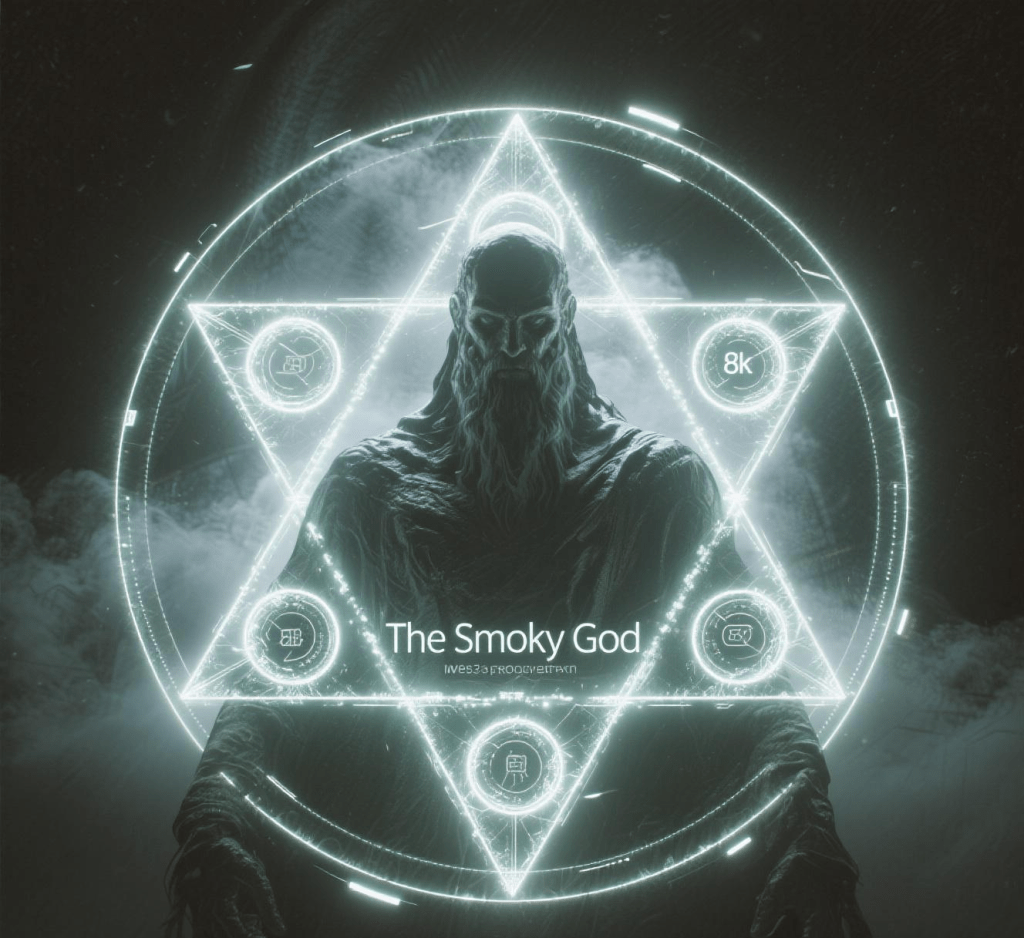

















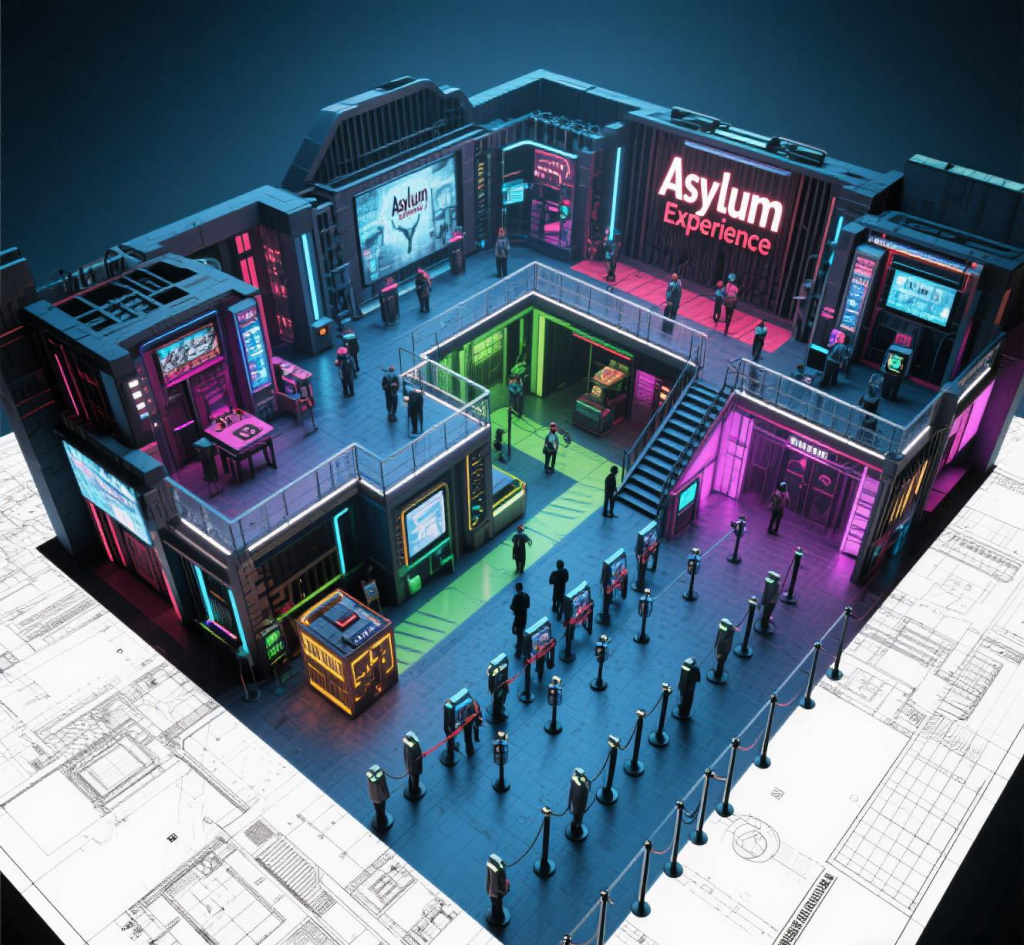

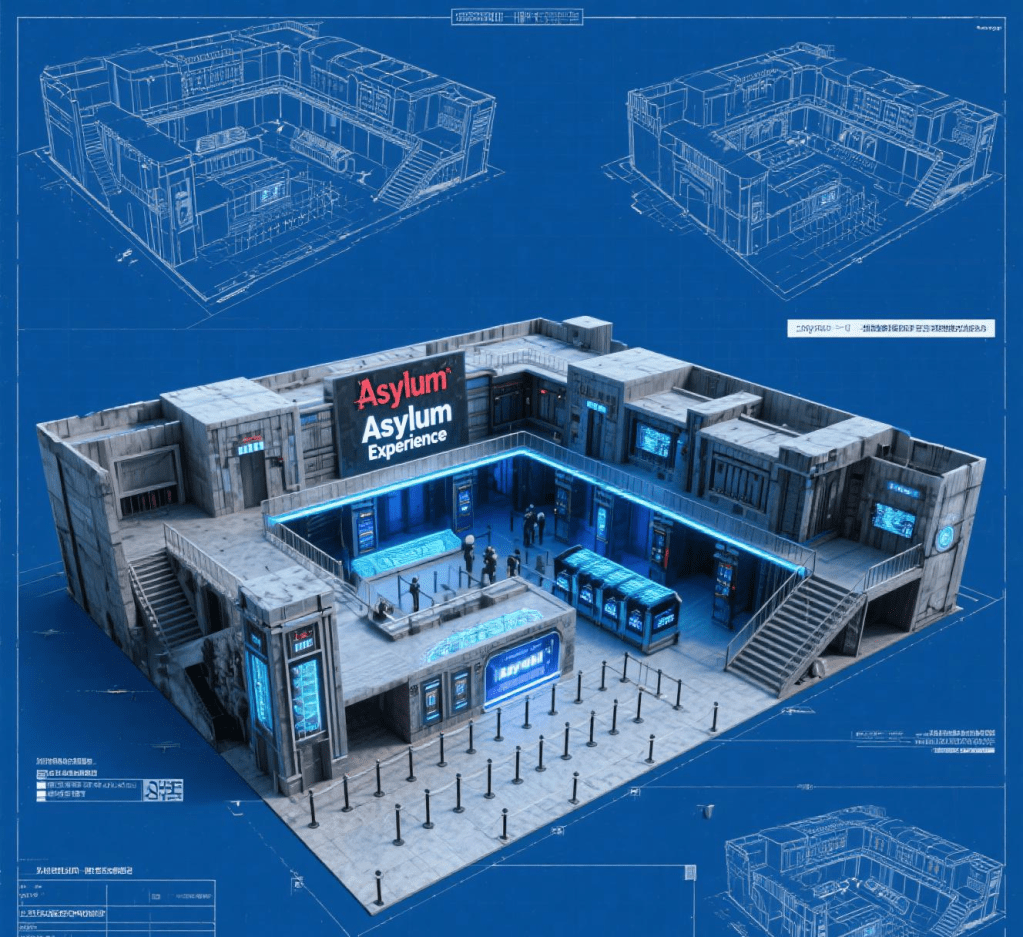





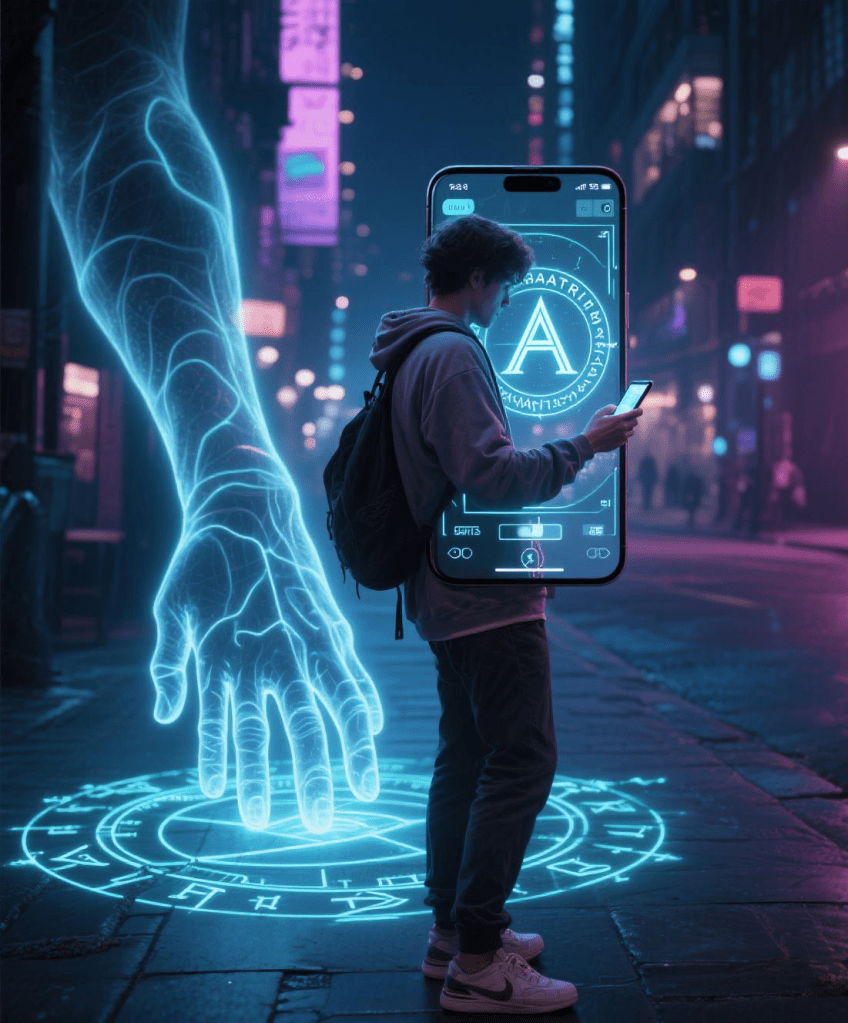



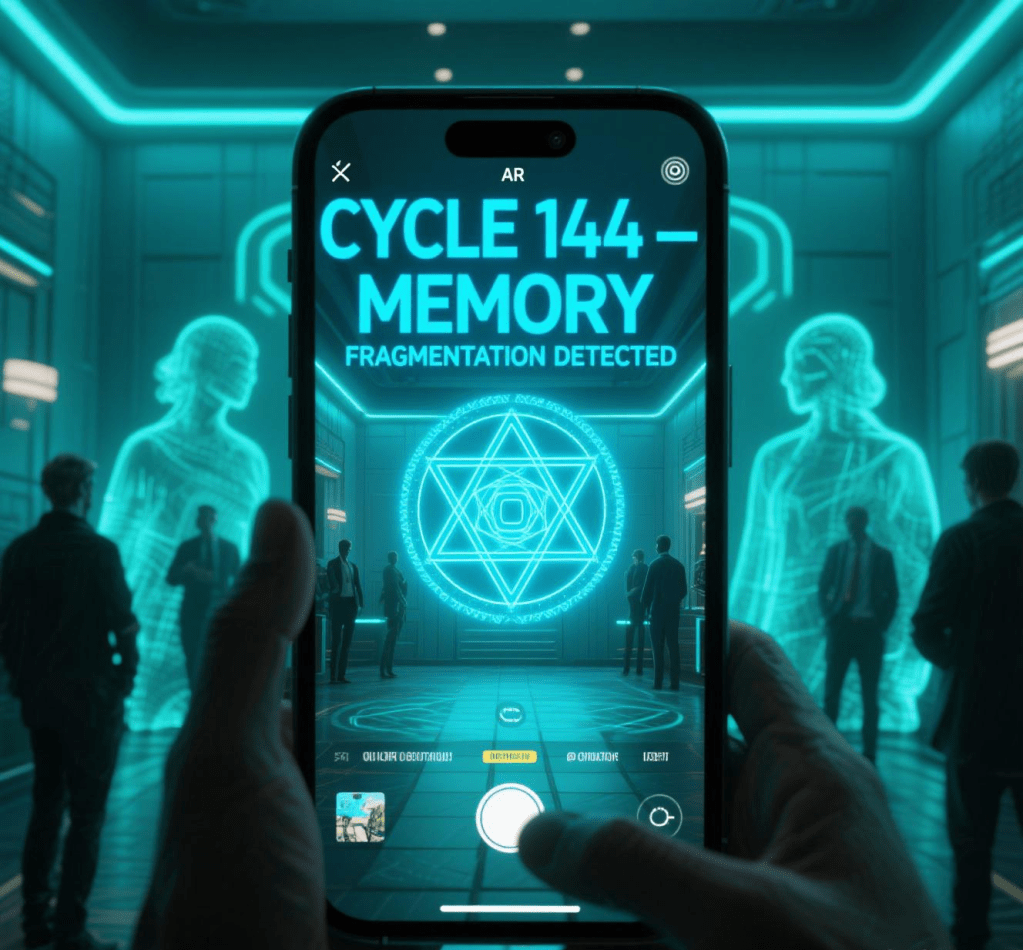


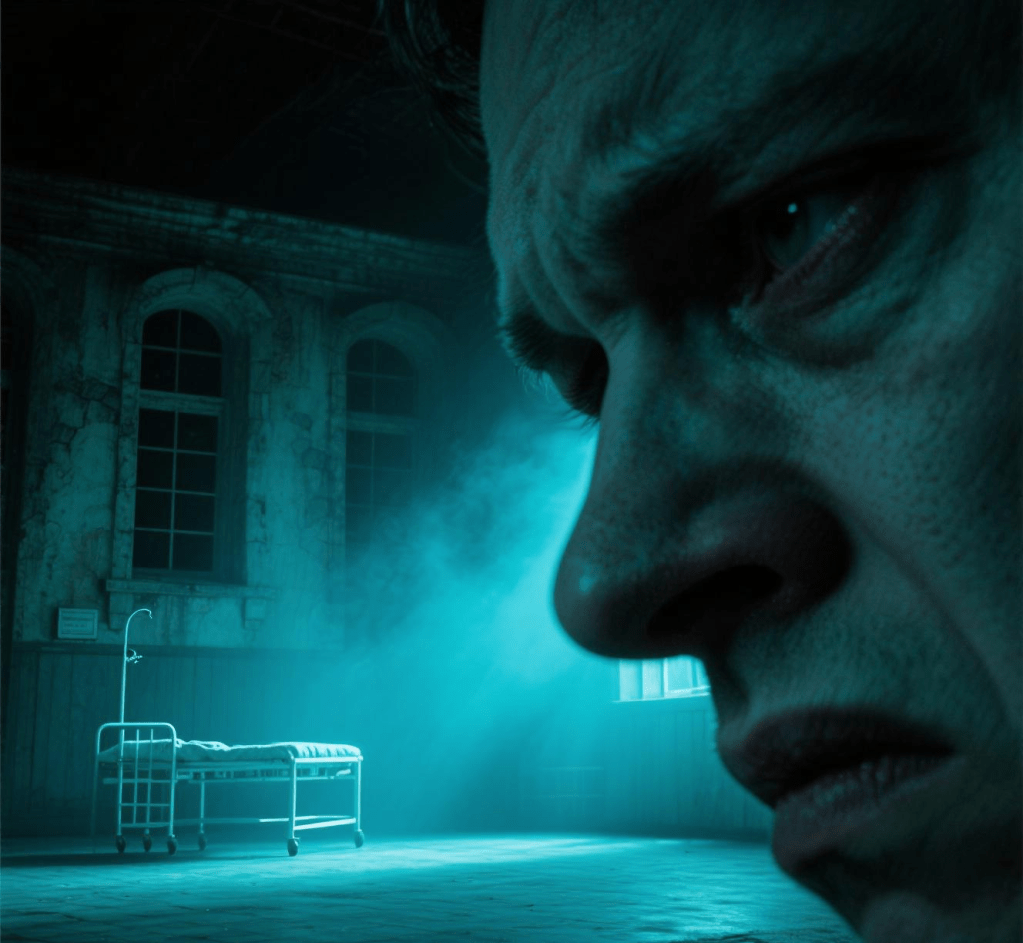


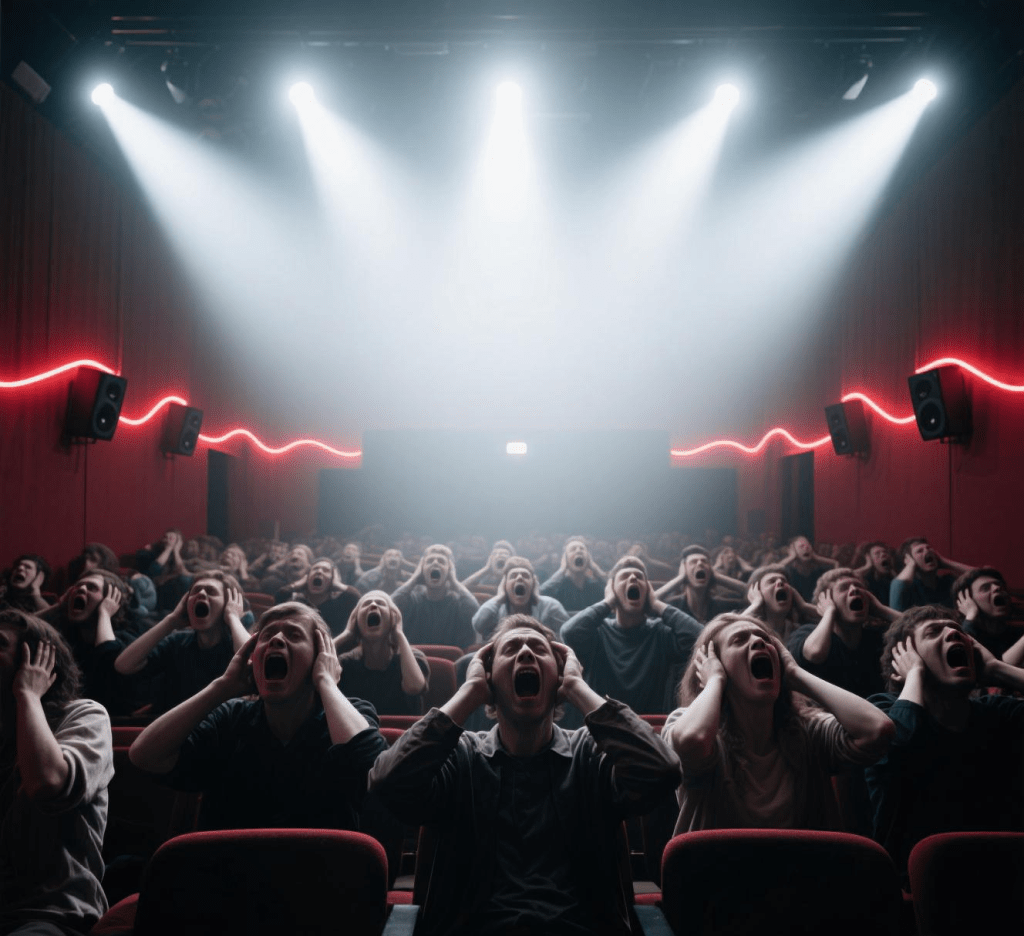
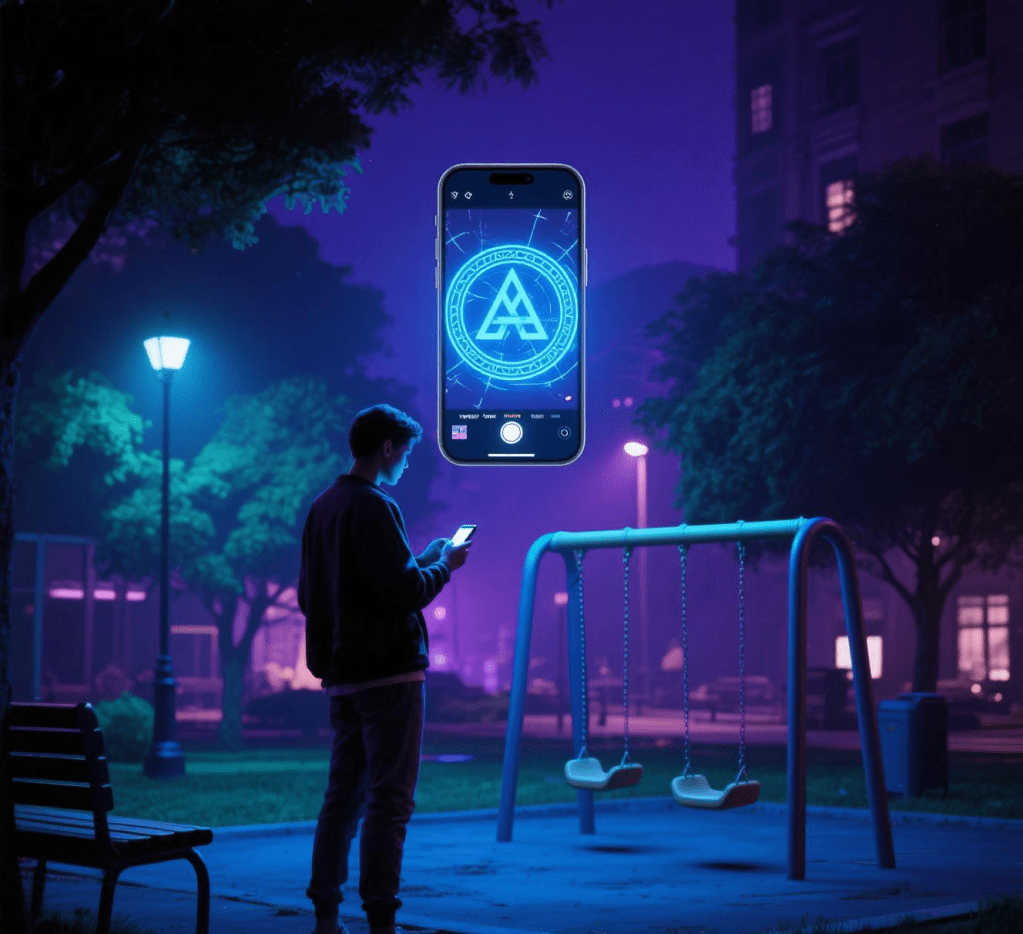


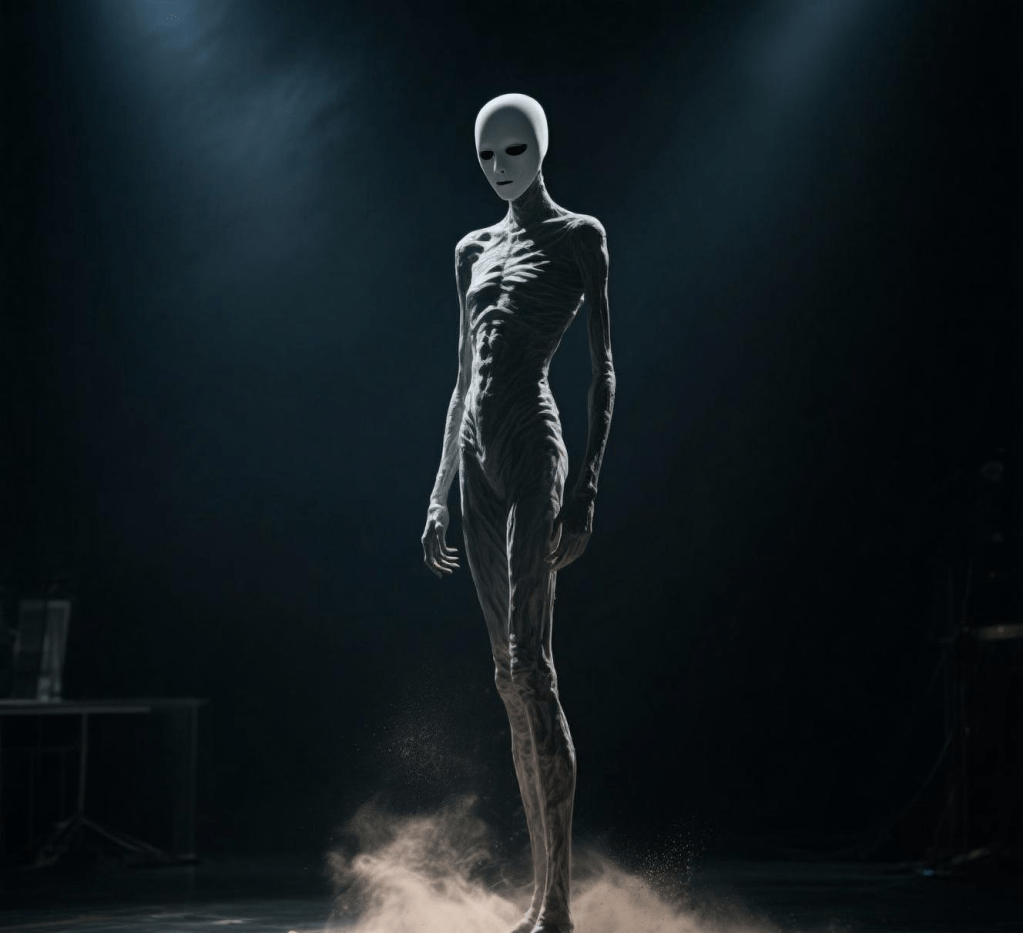



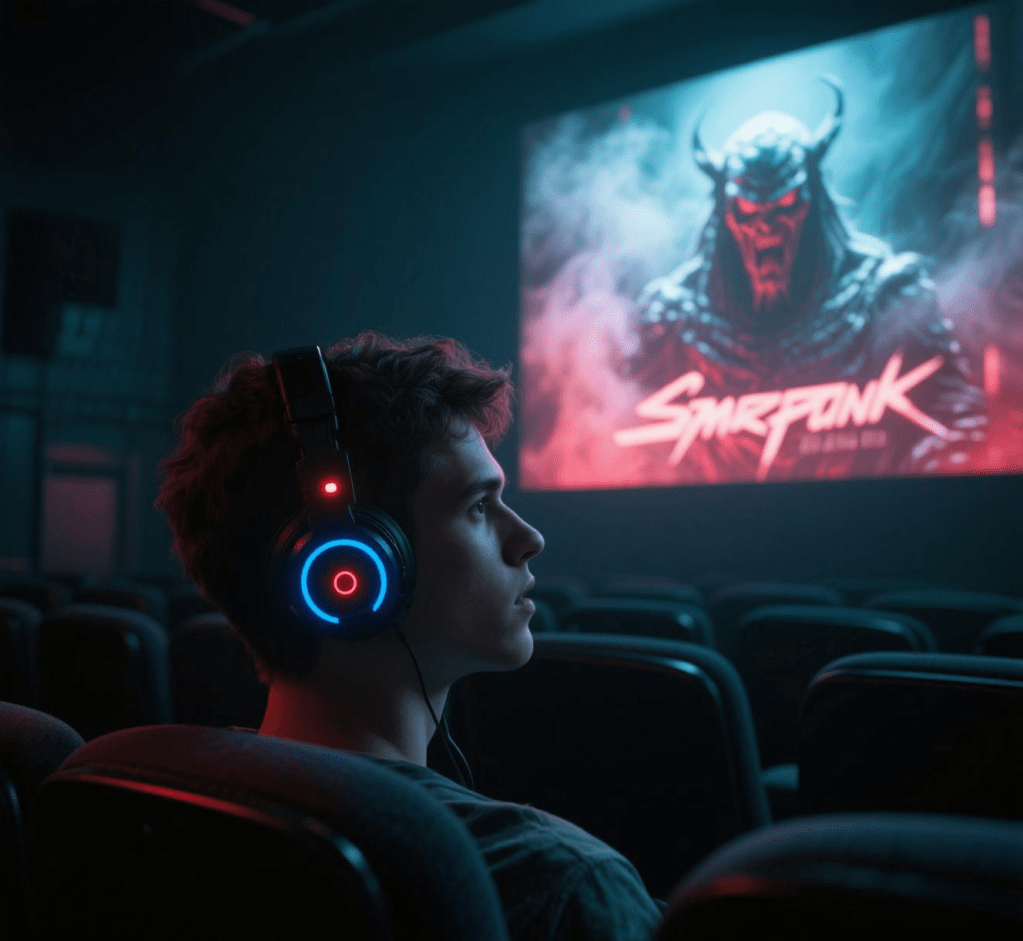
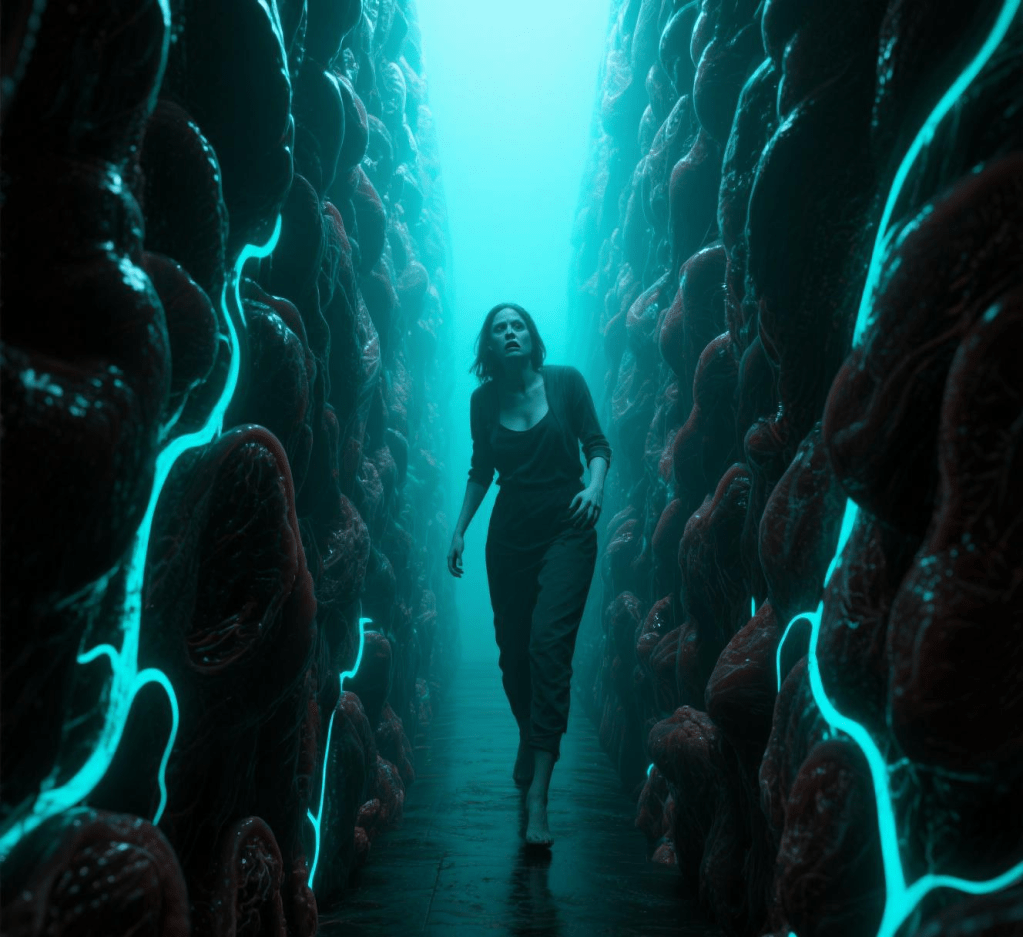


 Inner Vision Pictures