

This is one of the most exciting and spiritually profound topics we can explore. Non-linear storytelling isn’t just a technique—it’s an invitation to remember that time is not linear, the soul is not limited, and healing happens across lifetimes.
Where Time Bends, the Soul Remembers—How to Edit Across Realities with Purpose and Meaning
Introduction: Time as a River, Not a Line
In Awakening Cinema, time is not a straight path. It is a spiral, a hologram, a woven tapestry where past, present, and future exist simultaneously. Linear storytelling mirrors the ego’s perception. Non-linear storytelling mirrors the soul’s journey.
This is not about flashbacks or dream sequences.
This is about structural reverence for the true nature of consciousness.
Why Non-Linear Narratives Are Spiritual Tools

- They reflect karma, reincarnation, and soul contracts.
- They illustrate how healing the past transforms the present.
- They dissolve the illusion of separation—between selves, times, and possibilities.
- They invite the viewer to remember who they are beyond time.
4 Editing Techniques for Multi-Dimensional Storytelling
1. The Parallel Cut (Soul Resonance Editing)
What it is: Cutting between two different time periods or lifetimes where the same soul lesson is being played out.
How to do it: Use a visual, emotional, or auditory bridge to connect the scenes.
Example: A character in the present touches water → cut to her ancient self diving into a sacred river.
Sound: The same melody or frequency is heard in both timelines.
Spiritual Purpose: To show that the soul is working through the same theme across time.
2. The Echo Cut (Karmic Mirroring)
What it is: A moment in the present echoes a moment from the past (or future), often with similar dialogue, composition, or action.
How to do it: Frame the two scenes with identical camera angles or blocking.
Example: A betrayal in a modern boardroom is shot exactly like a betrayal in a medieval court.
Spiritual Purpose: To reveal karmic patterns and unconscious repetitions.
3. The Overlay Blend (Simultaneous Timelines)
What it is: Two or more realities are visible at once, layered over each other.
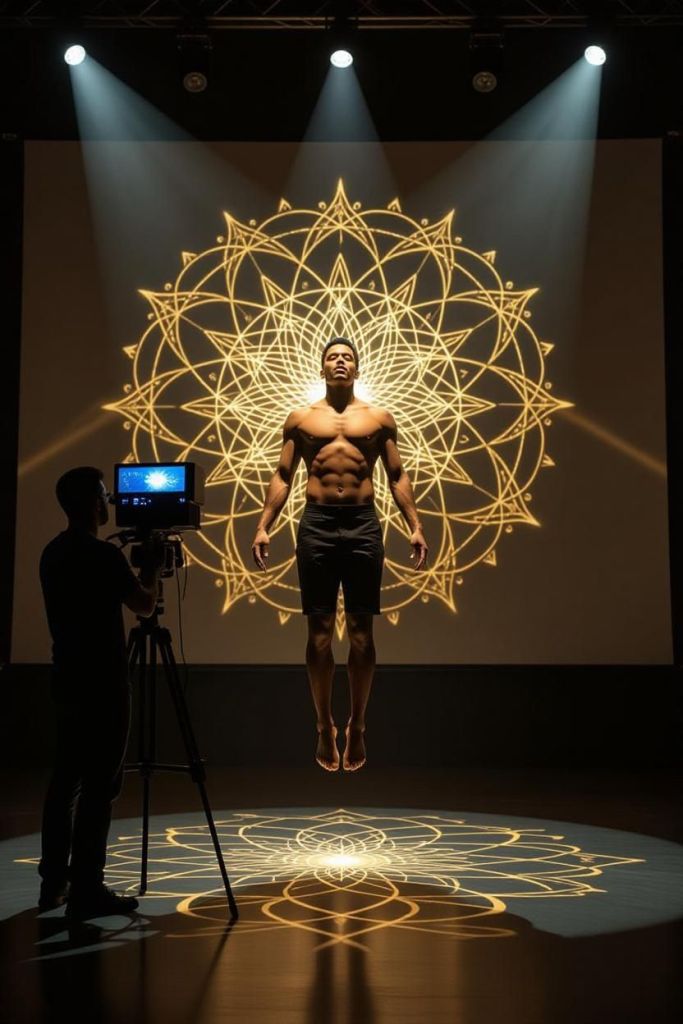
How to do it: Use transparency, double exposure, or projection mapping within the frame.
Example: A character walks through a forest, and faint images of their future self walk beside them.
Spiritual Purpose: To illustrate that all versions of us exist now, and we can communicate across time.


4. The Frequency Shift Cut (Awakening Transition)
What it is: A cut that occurs not based on action, but on energy or consciousness.
How to do it: Transition using light, sound, or sacred geometry instead of traditional cuts.
Example: The screen fills with golden light or a rotating merkaba, and when it clears, we are in another time.
Spiritual Purpose: To signal that what we are witnessing is a shift in perception, not just a change of scene.
How to Use These Tools with Meaning—Not Gimmicks

Technique Spiritual Meaning Example
Parallel Cut: Soul lessons repeat across lifetimes – A woman afraid of water now her past life drowning
Echo Cut: Karmic cycles until healing occurs – A broken promise in 1800s same vow broken today
Overlay Blend: Timelines are simultaneous and interactive- A child and their elder self playing together in one frame
Frequency Shift: Awakening is a dimensional leap – A character “glitches” into a memory or future vision
Case Study: “The Healing of a Timeline”
Scene: A woman named Clara has a fear of fire.
- Present Day: Clara avoids lighting a candle in her meditation room.
- Parallel Cut: We see her in a past life, trapped in a house fire.
- Echo Cut: Close-up on her eyes—then and now—filled with the same terror.
- Frequency Shift: As she breaths deeply, the room fills with soft golden light.
- Overlay Blend: Her past self appears translucent beside her. Clara speaks to her: “I forgive you. I release you.”
- Resolution: The candle ignites on its own. Both timelines soften and brighten.
This isn’t a flashback—it’s real-time soul healing.
Educational Notes for Writers & Directors
For Writers:
Write in Layers: Draft each timeline separately first, then braid them together based on theme, not chronology.
Use Anchor Points: Create emotional or symbolic anchors (an object, a phrase, a name) that recur across timelines.
Intentionality is Key: Every cross-cut must serve the soul’s journey—not confuse the audience.
For Directors & Editors:
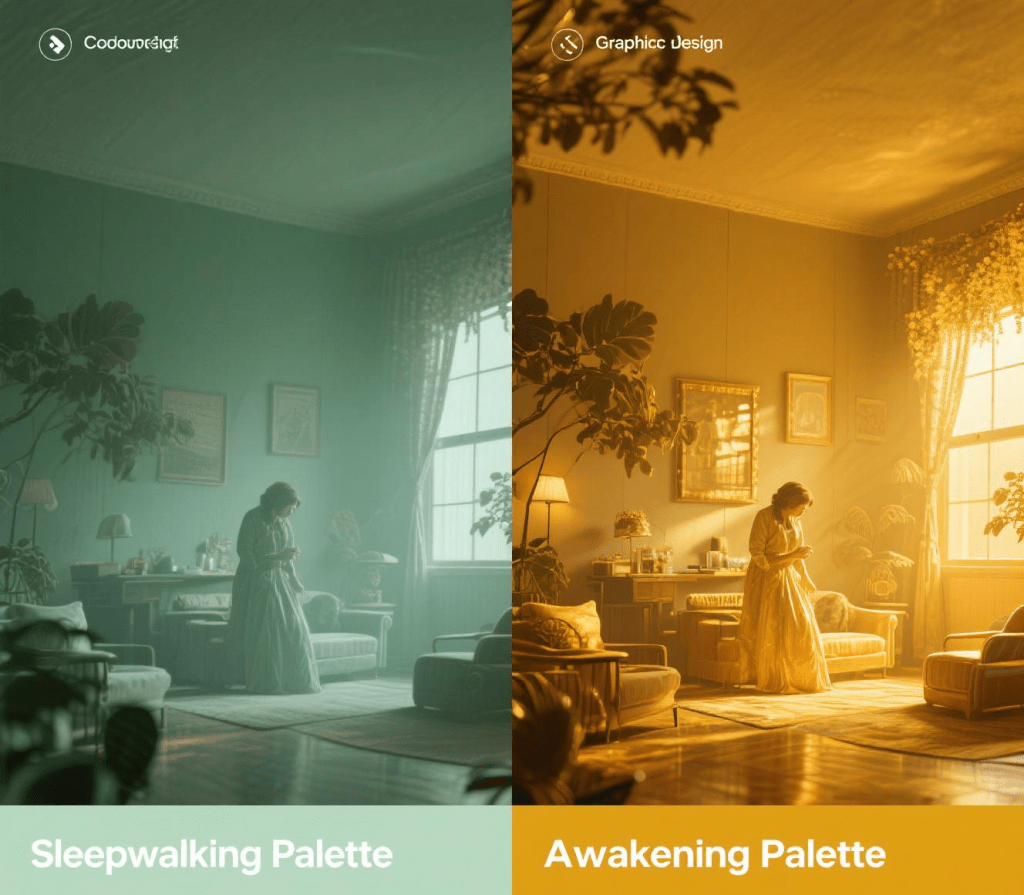
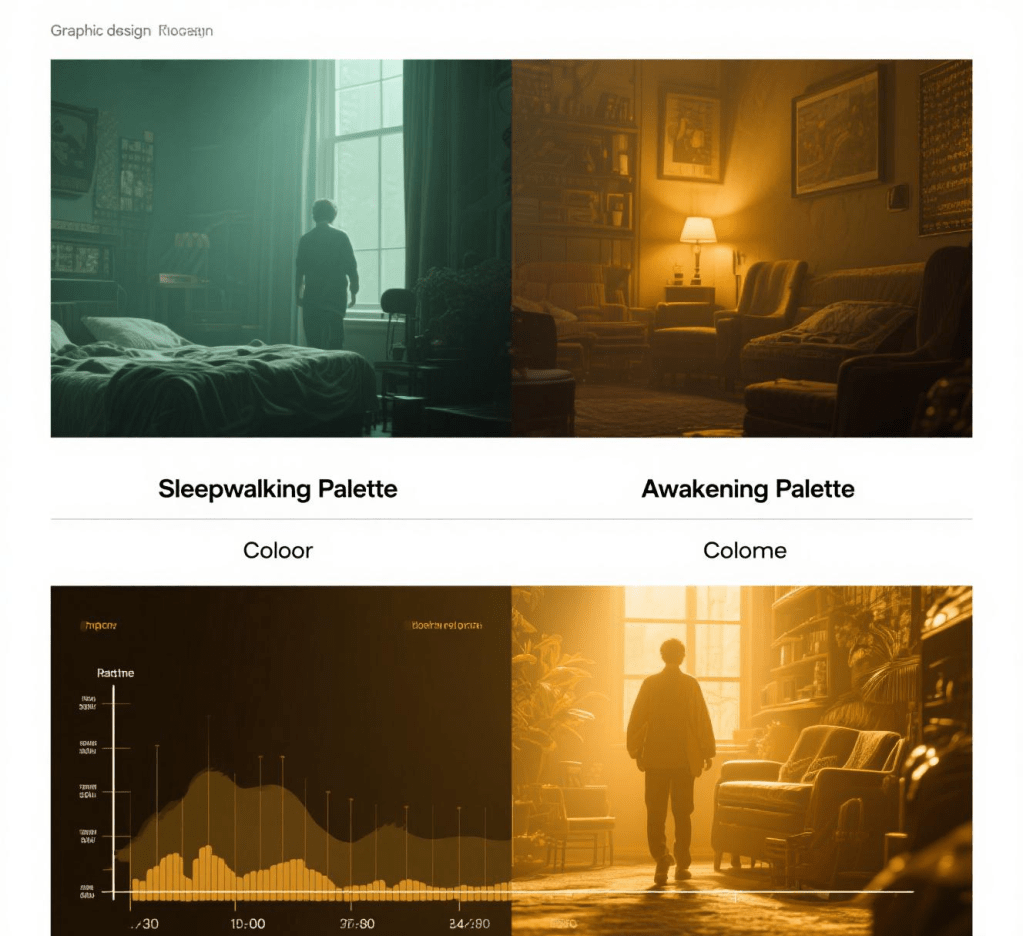
Color Grading as a Timeline Marker: Give each era or reality a distinct color palette (e.g., past = sepia, future = cool blue, awakened state = golden).
Sound Design as a Bridge: Use leitmotifs, sacred frequencies, or even silence to signal dimensional shifts.
Pace for Revelation: Let non-linear cuts breathe. The audience should feel the connection, not just see it.
Symbolism in Non-Linear Editing
- Spirals: Represent evolution, cycles, returning to the same lesson at a higher level.
- Möbius Strips: Timelessness, infinite possibilities.
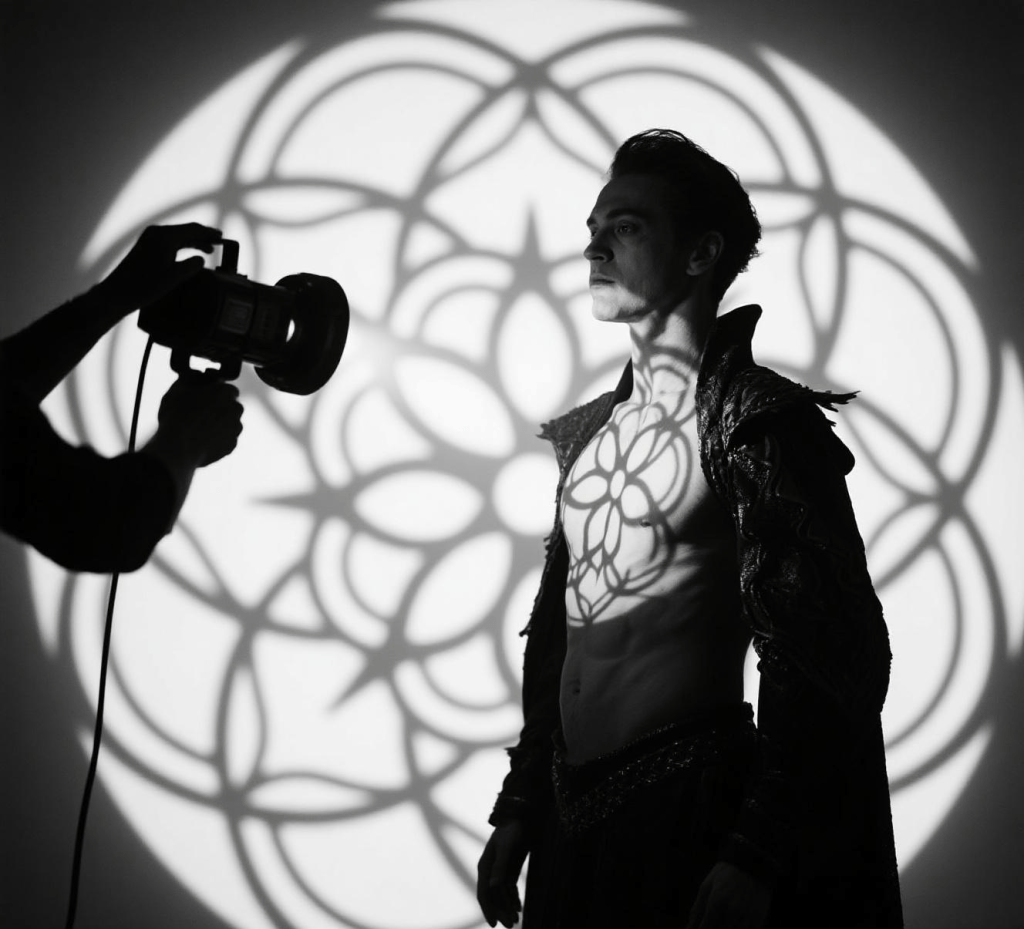
- Sacred Geometry: Portals between dimensions (merkaba, flower of life).
- Light: The constant that exists across all times.
Conclusion: You Are Editing the Soul’s Journey

When you cut between lifetimes, you are doing more than telling a story—
You are performing cinematic time travel.
You are helping the audience remember that they are not just who they are today…
But who they have always been.
And in that remembrance, healing becomes possible—
across time, across dimensions, across souls.
Now go, edit fearlessly.
The timeline is waiting for your touch.
7 Images (Pop Art Noir × Mystical Fusion)
- The Parallel Cut Visualized:
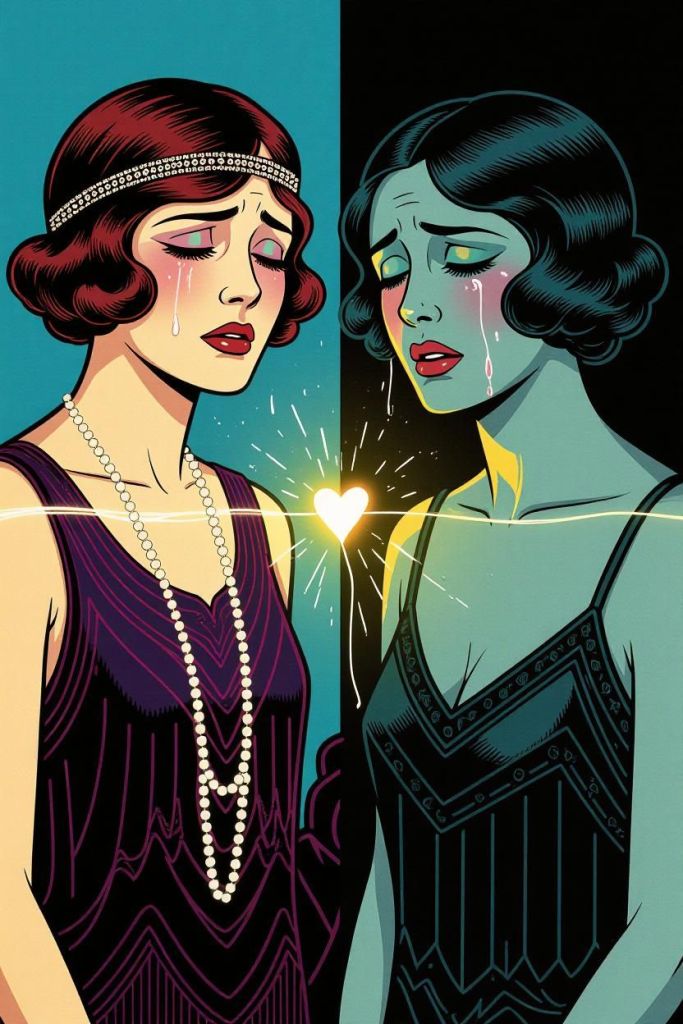
A split screen: left side, a woman in a 1920s flapper dress crying; right side, the same actress in modern clothes, same tears. A glowing thread connects their hearts.
Style: Pop Art Noir with emotional surrealism. - The Echo Cut in Action:
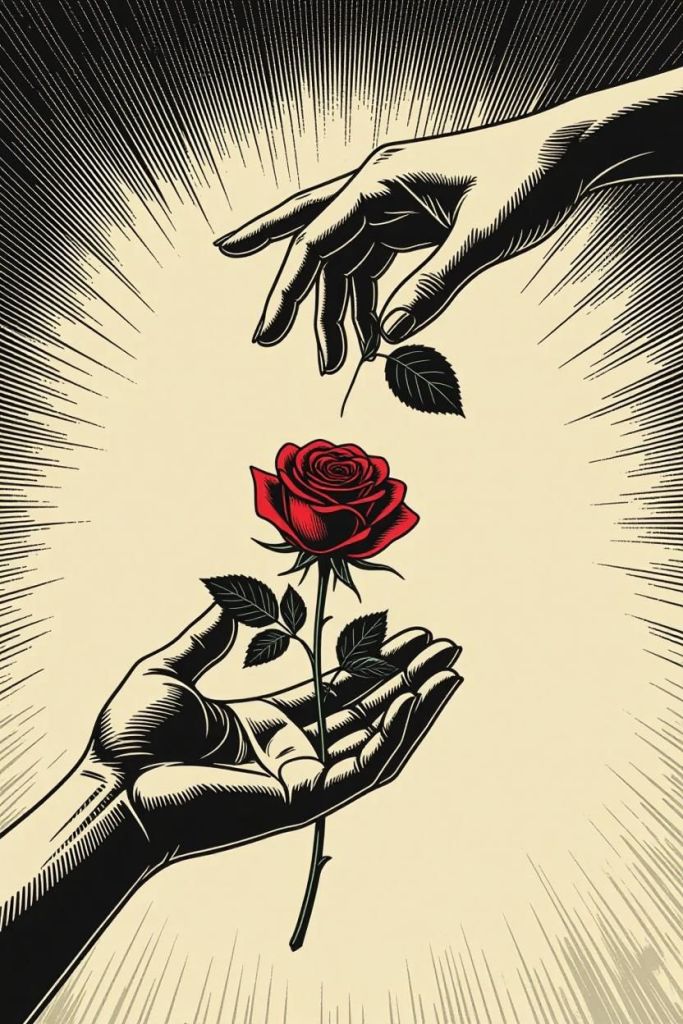
A close-up of a hand dropping a rose in the past → the same hand in the present catching a rose that falls from nowhere.
Style: High-contrast Noir with magical realism. - The Overlay Blend:
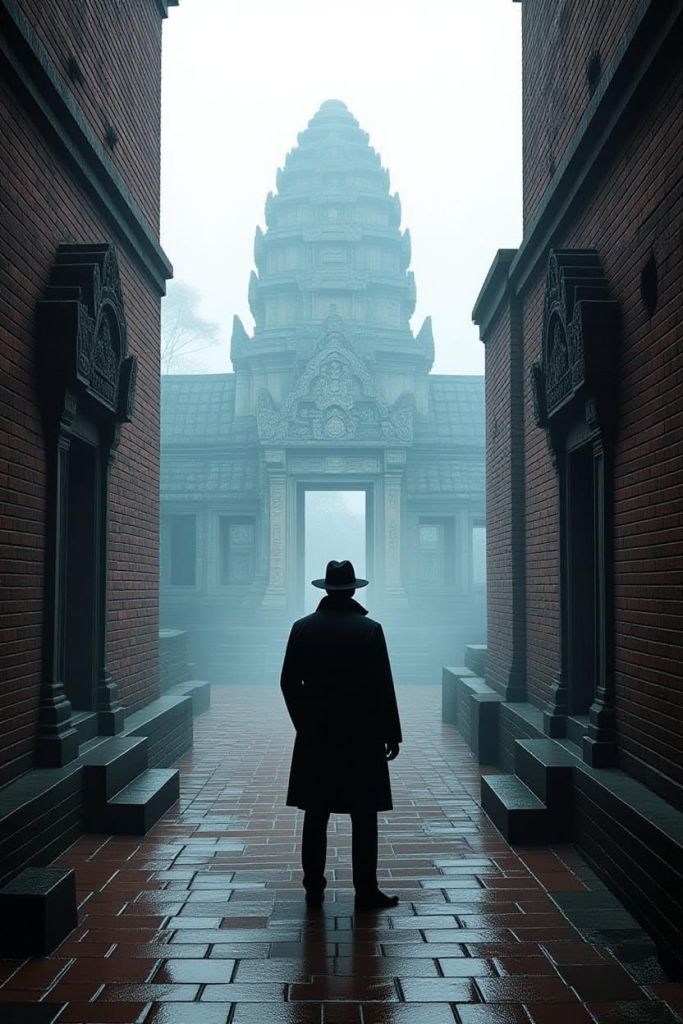
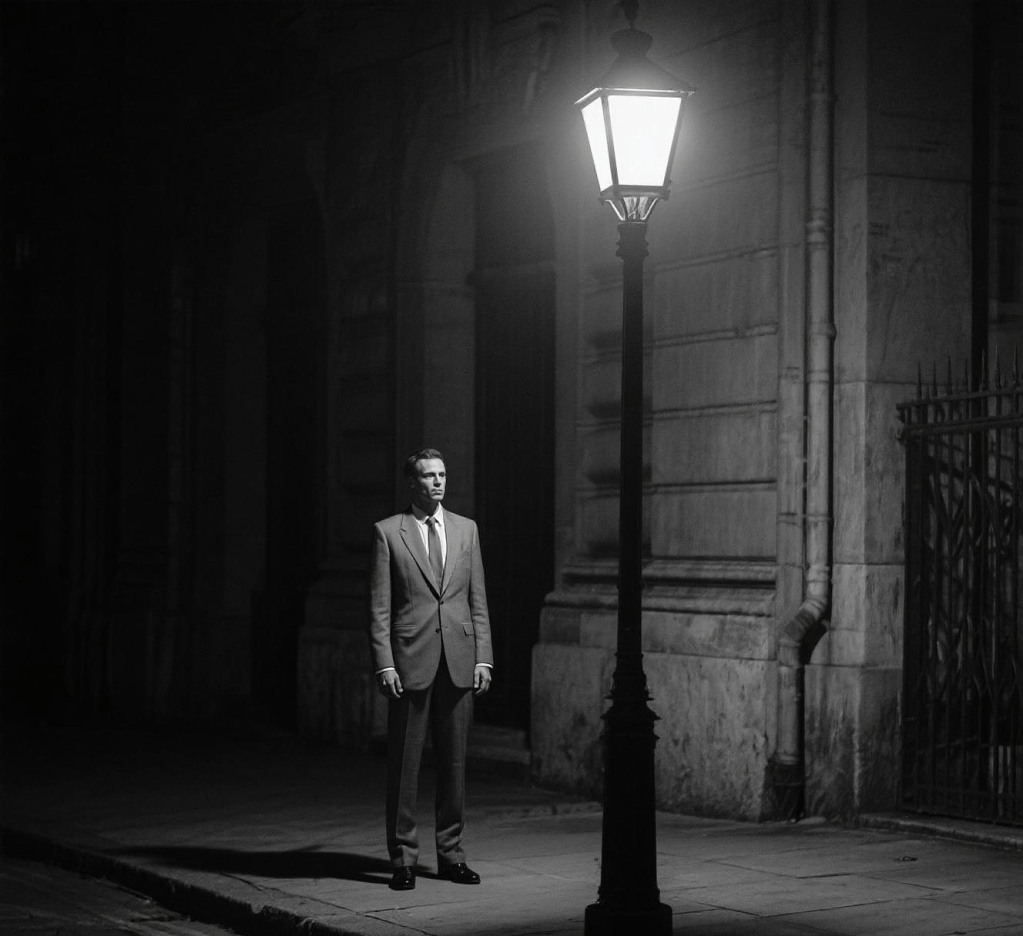
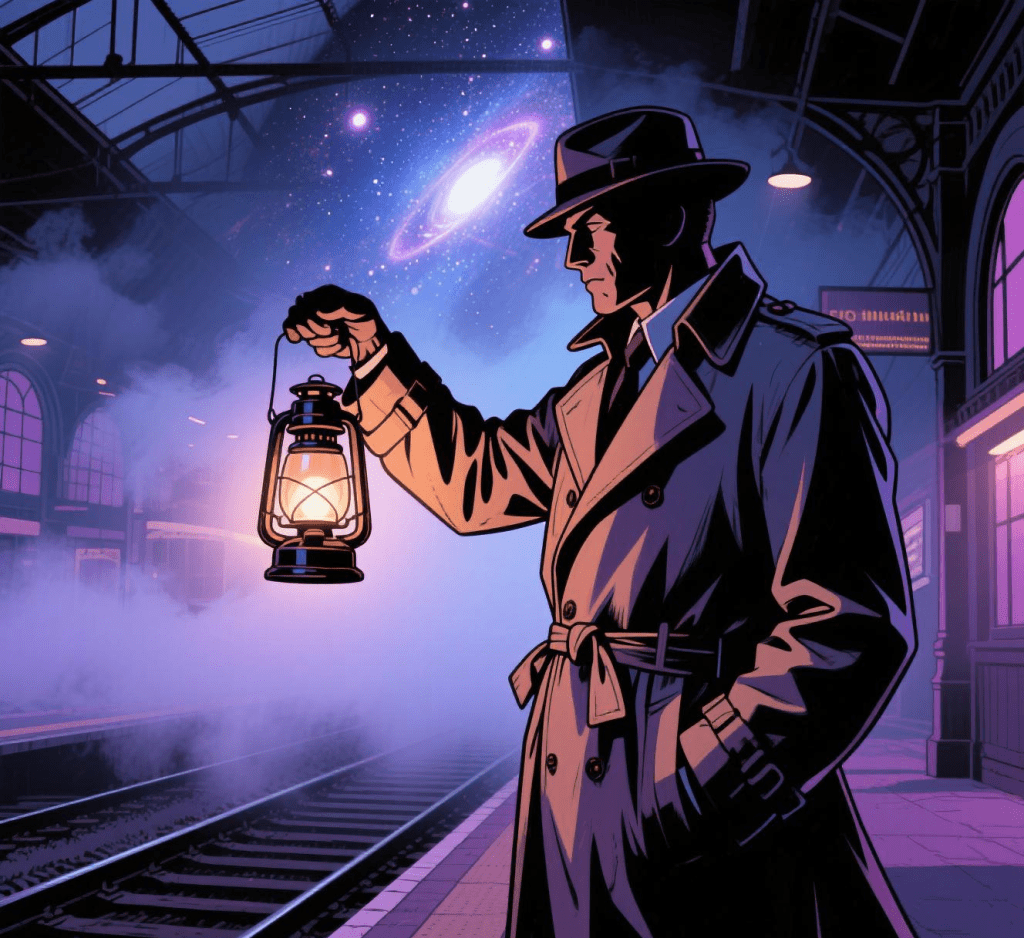
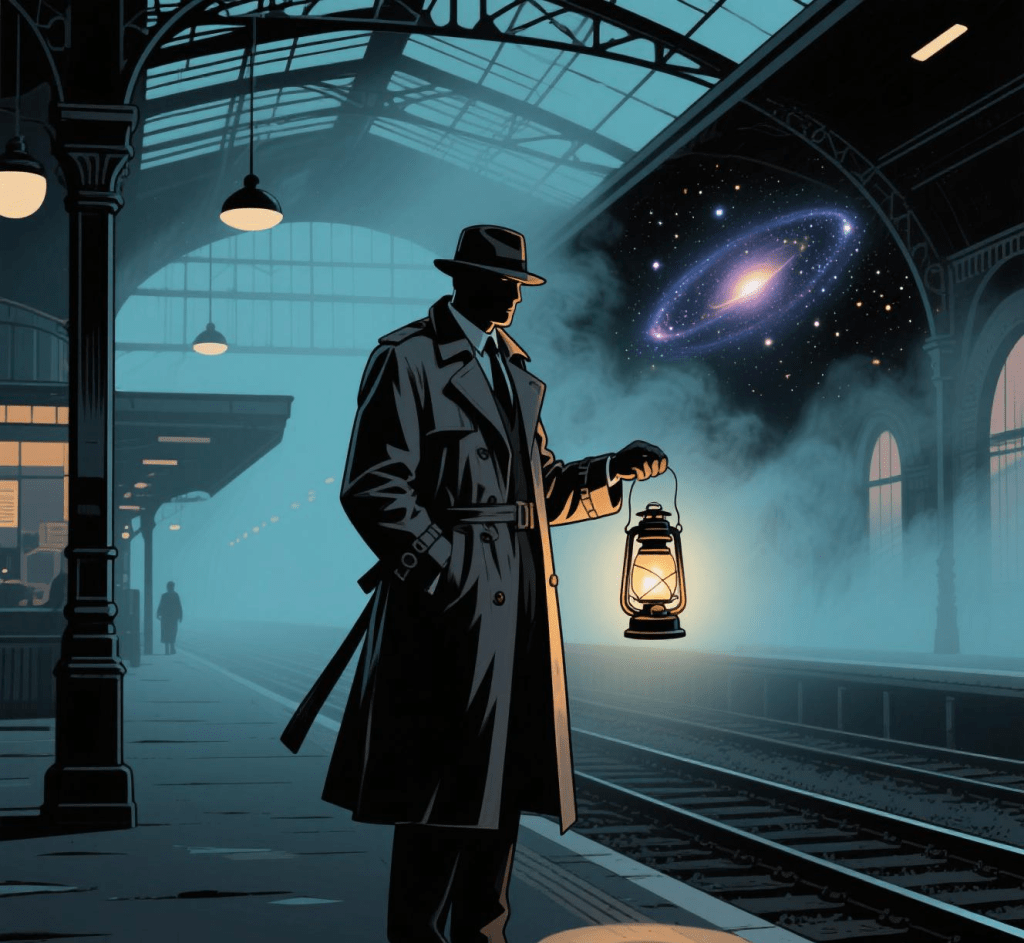
A detective stands in a foggy alley, but transparent images of ancient temple ruins are superimposed over the bricks.
Style: Graphic Noir meets spiritual overlay. - The Frequency Shift Transition:
The screen is filled with a spinning, glowing merkaba. As it fades, the scene changes from a battlefield to a peaceful field.
Style: Sacred geometry infused with Noir atmosphere. - The Timeline Healer:
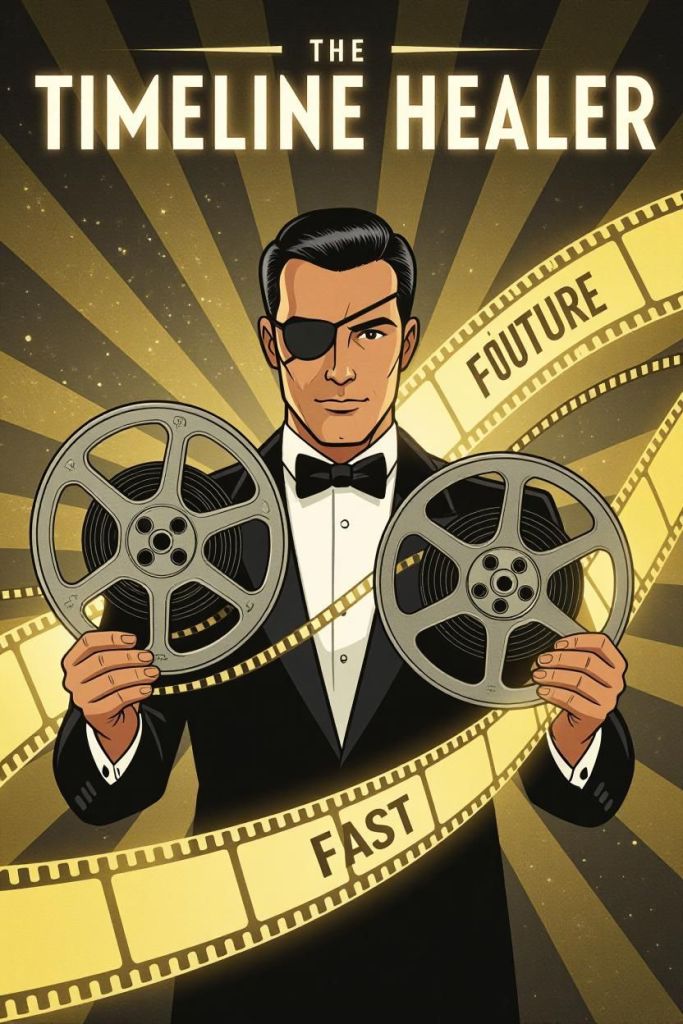
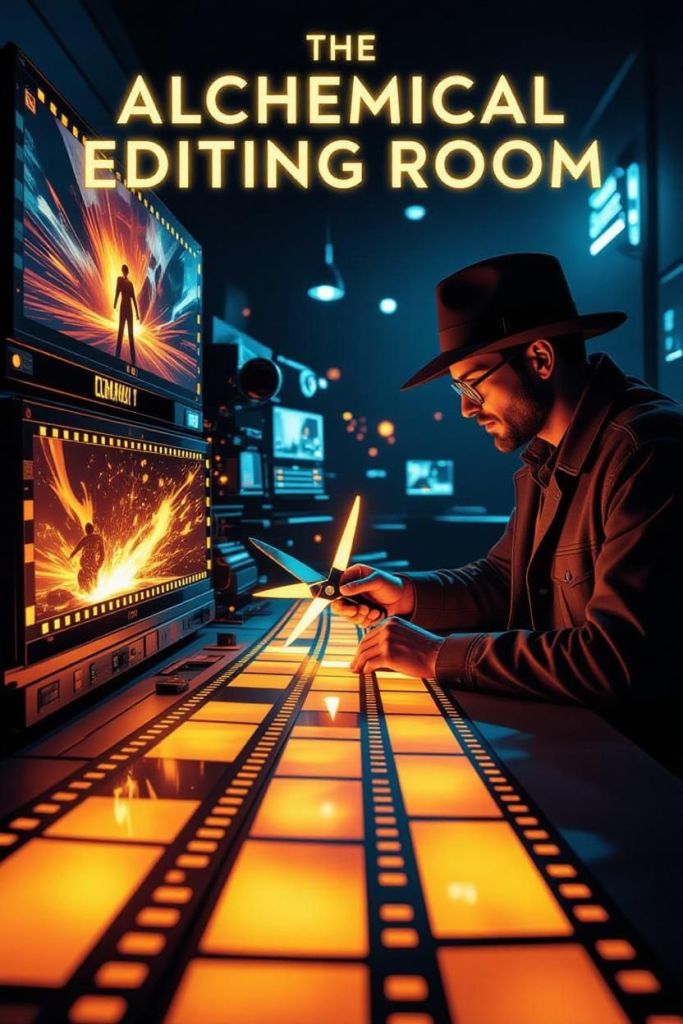
A character holds two old film reels—one labeled “PAST” one “FUTURE”—and they are splicing them together with light.
Style: Retro-futuristic Noir with golden light effects. - The Karmic Mirror Scene:
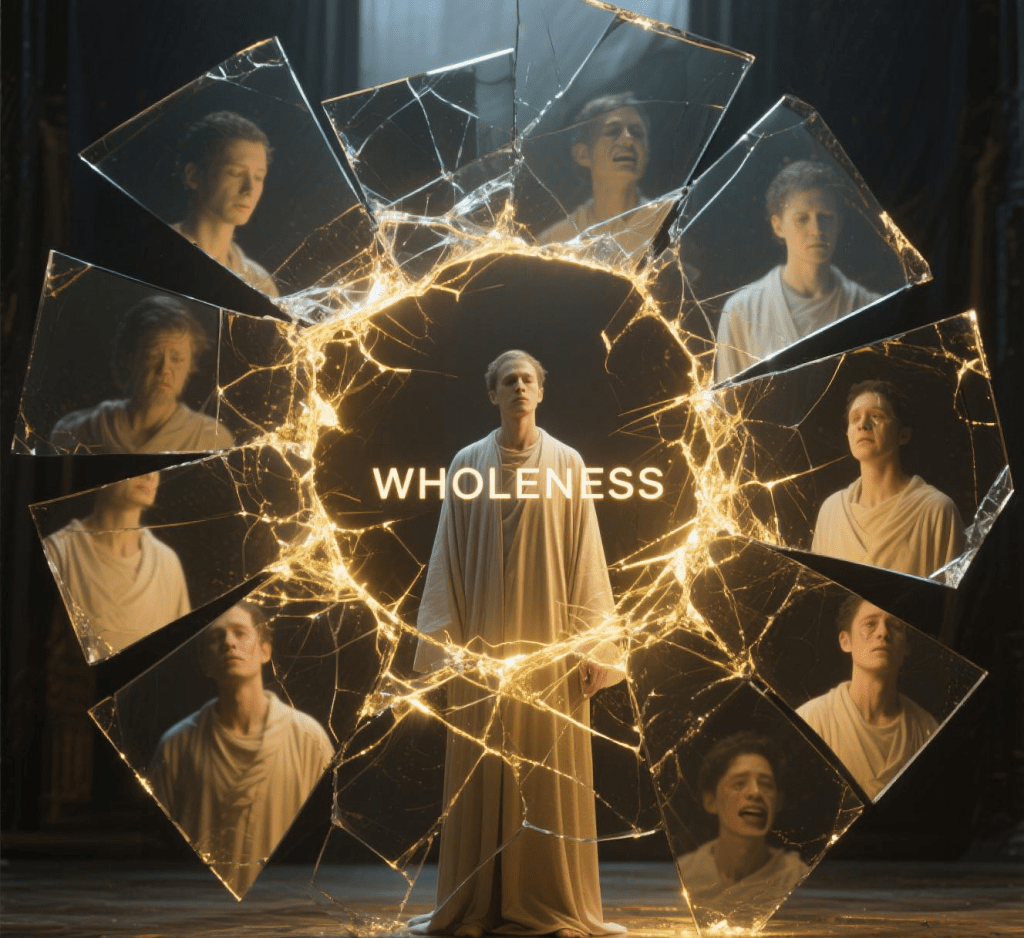
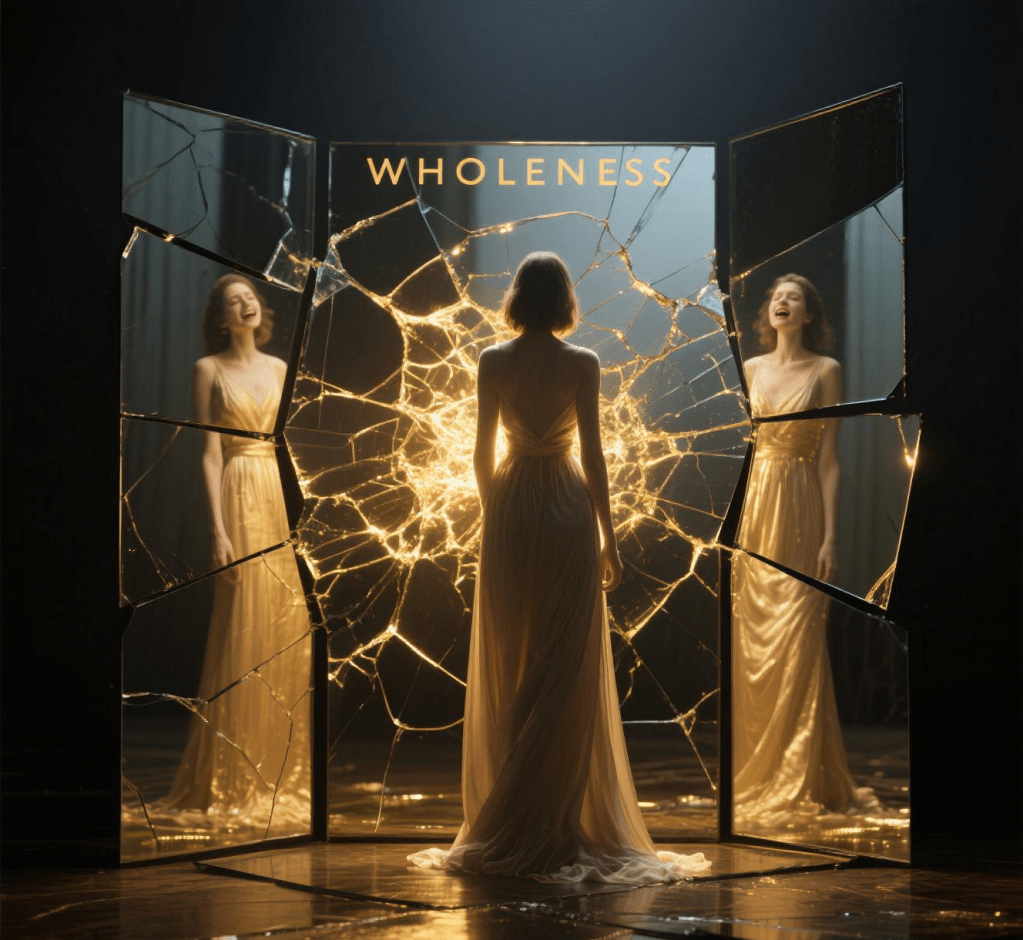
Two scenes reflected in one broken mirror: one in color (present), one in sepia (past), both showing the same argument.
Style: Symbolic Noir with emotional tension. - The Awakening Glitch:
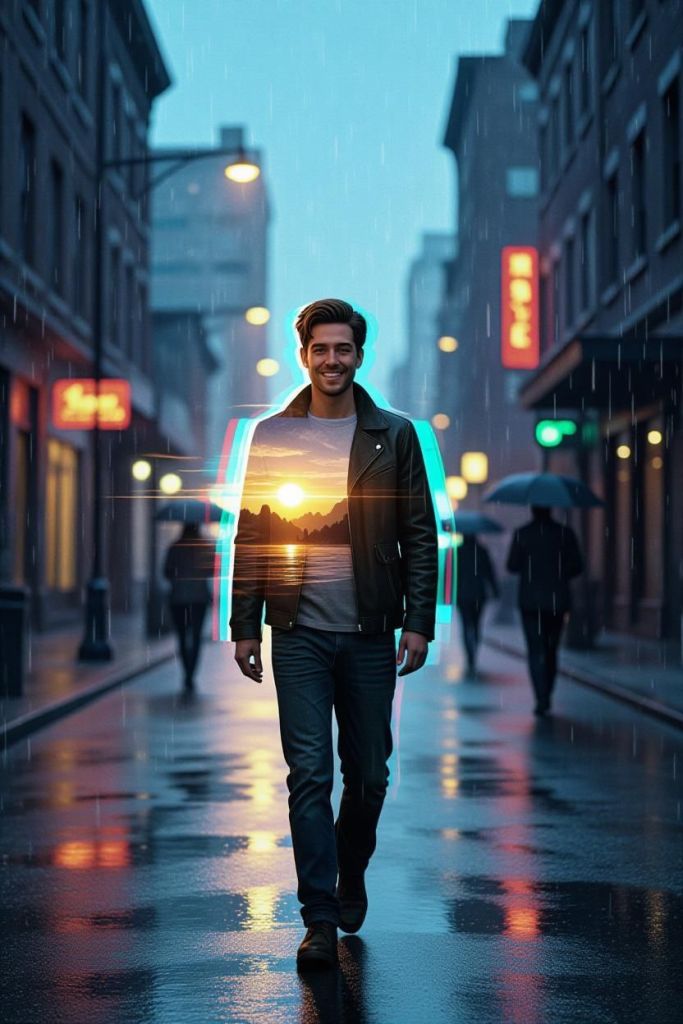
A character walking down a rainy street suddenly “glitches” for a frame—showing their future self, smiling under a sunlit sky.
Style: Glitch art meets cinematic Noir.

Here are 6 images for Non-Linear Timelines as Spiritual Tools:
1. The Spiritual Editor’s Interface A spiritual interface for editing a life’s timeline, holographic and glowing in a dark, cosmic space. Instead of a computer screen, the interface is a complex, luminous mandala. Timelines are represented as shimmering, interconnected threads of light. A hand, half-human half-ethereal, reaches in to gently splice two distant threads together, causing a ripple of golden light. The style is a blend of sacred geometry and advanced biotechnology, cinematic, awe-inspiring.
- Subject: A holographic mandala interface editing threads of light.
- Medium: Cinematic digital art, holographic glow.
- Style: Sacred geometry, biotech spirituality.
- Composition: Close-up on a hand connecting two glowing threads, causing a ripple effect.
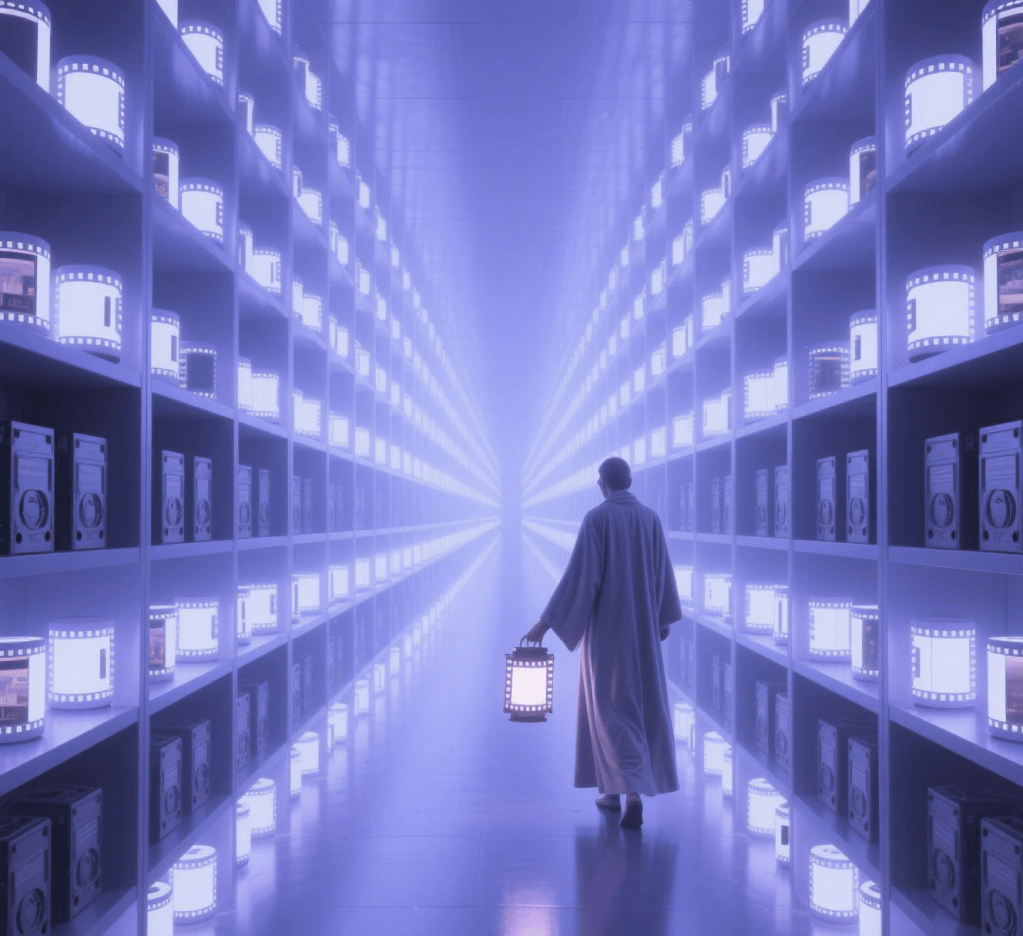
2. The Akashic Library of Footage
The Akashic Records visualized as an infinite, timeless film archive. Endless shelves of glowing film canisters and hard drives made of light stretch into infinity. A figure (the editor/seekers) walks through the aisles, pulling a canister that glows with a specific memory. The light from the chosen canister illuminates their face with a soft, divine glow. The atmosphere is serene, vast, and hallowed, like the world’s most important library.
- Subject: An infinite archive of glowing film canisters and data drives.
- Medium: Photorealistic but with elements of magical light.
- Style: Spiritual, cosmic, archival.
- Composition: Low-angle shot looking up at endless shelves, a figure selecting a source of light.
3. The Karmic Crossfade
A visual representation of a karmic crossfade transition. On the left, a scene from a past life: a warrior laying down a sword in a ancient temple. On the right, a present-life scene: a businessperson walking away from a stressful negotiation in a modern glass building. In the center, the two images dissolve into each other seamlessly through a veil of shimmering, golden particles. The same soul is visible in both moments, completing a karmic loop.
- Subject: A past life and present life dissolving into one another.
- Medium: Ethereal photo-manipulation, double exposure.
- Style: Symbolic, spiritual, seamless transition.
- Composition: A diptych merging in the middle with a golden, particle effect dissolve.
4. The Quantum Leap Cut
A “quantum leap” cut in the fabric of reality. A person is shown in two different moments simultaneously: one foot stepping off a curb in a rainy city street, the other foot landing on a sun-drenched forest path. The space between the two moments is a jagged, crystalline tear in the air, revealing starfields and quantum energy. The effect is sudden, jarring, yet perfectly aligned, symbolizing a conscious jump between timelines.
- Subject: A person split between two locations via a crystalline tear in reality.
- Medium: Surreal digital collage, hyper-realistic.
- Style: Quantum physics, magical realism, cinematic.
- Composition: The figure centered, with the environment dramatically shifting around them through a sharp, geometric rupture.
5. The Ancestral Flashback Filter
A flashback scene not as a memory, but as an ancestral overlay. A modern woman looks at her reflection in a window. Superimposed over her reflection is the face of her ancestor, translucent and glowing with a subtle sepia-toned filter. Behind her, the modern city street faintly shows the ghostly image of an old village from centuries past, using a double exposure technique. It feels like a genetic memory breaking through.
- Subject: A modern scene with a translucent ancestral overlay.
- Medium: Photo-manipulation with a cinematic color grade.
- Style: Double exposure, magical realism, nostalgic.
- Composition: A close-up on a face in reflection, with the past visibly layered over the present.
6. The Editor as Digital Shaman
An editor as a modern-day shaman, performing a healing ritual through editing. They sit not in a edit bay, but in a meditative circle on the floor, surrounded by floating holographic screens showing traumatic and joyful life events. They are not using a keyboard, but using hand gestures to gently guide and soothe the chaotic scenes, weaving them into a coherent, peaceful narrative. Light flows from their heart to the screens.
- Subject: A person meditating, guiding holographic memories with hand gestures.
- Medium: Digital painting, soft glow, luminous.
- Style: Techno-spiritual, serene, healing.
- Composition: The editor is centered in a circle, surrounded by floating screens, with light connecting them all.
13 Awakening Genre Key Visuals

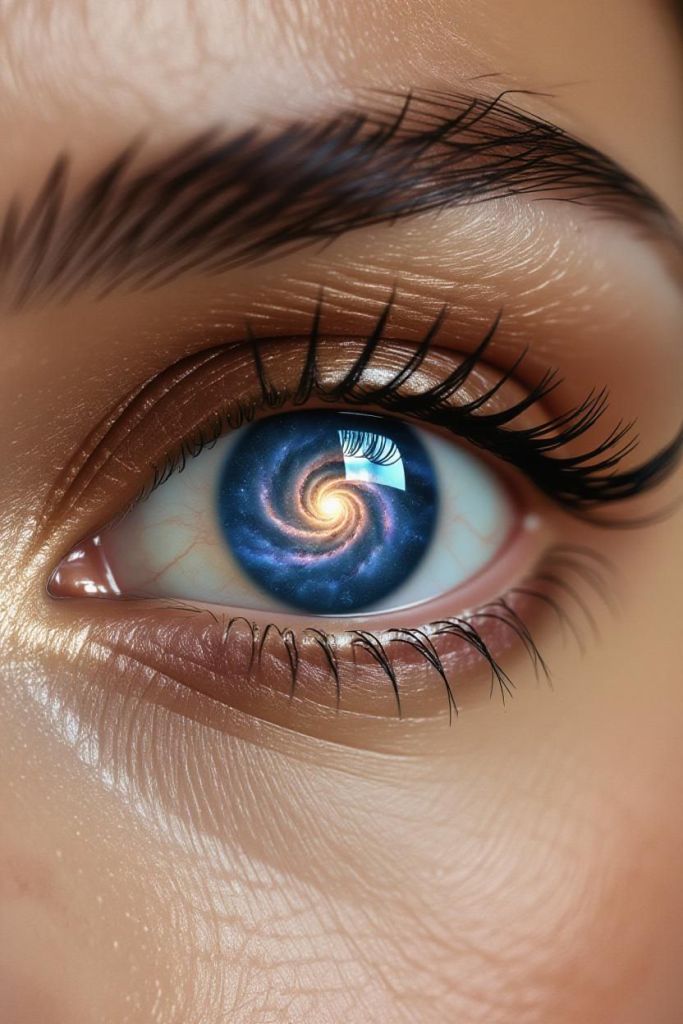
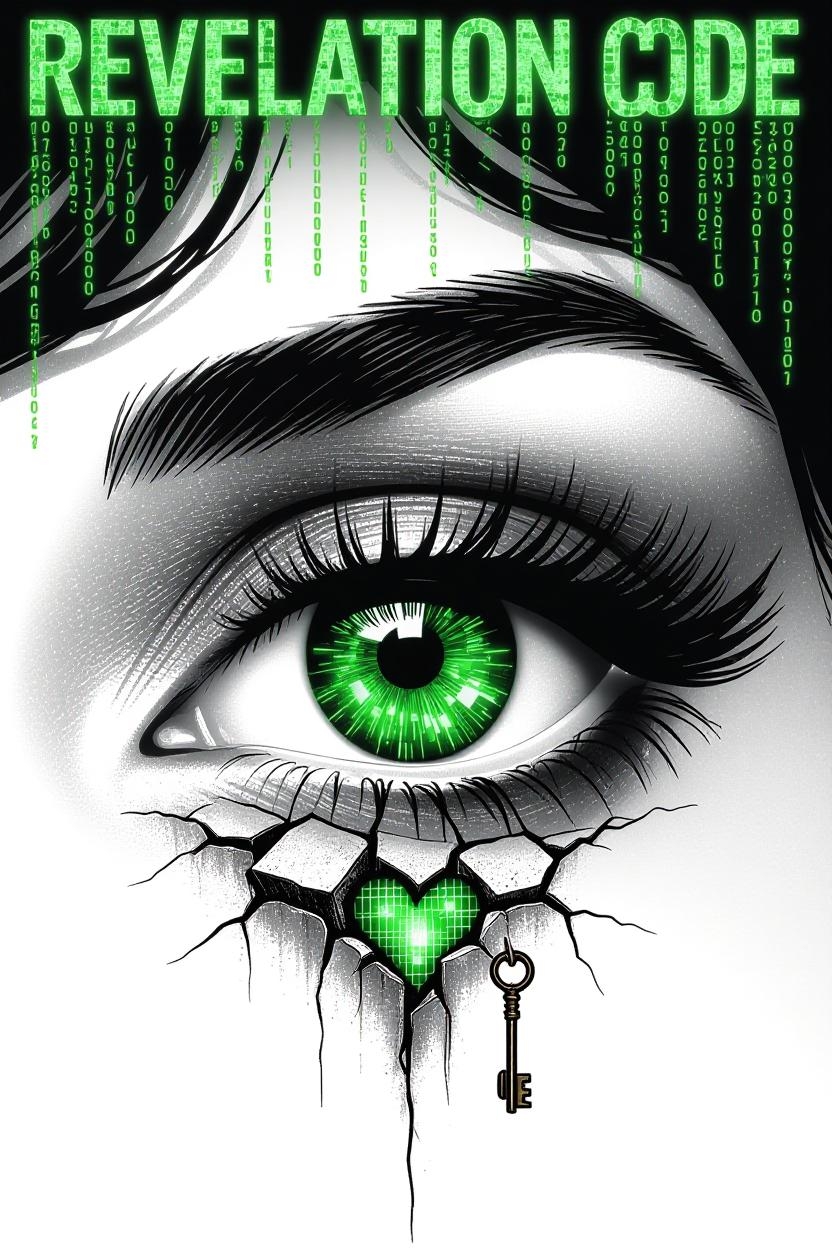
A close-up on a human eye. Reflected in the iris is not the physical world, but a magnificent, swirling galaxy of light, sacred geometry, and energy. The skin around the eye is textured with faint, golden light codes. The style is hyper-realistic with elements of ethereal CGI. Keyword: Perception.
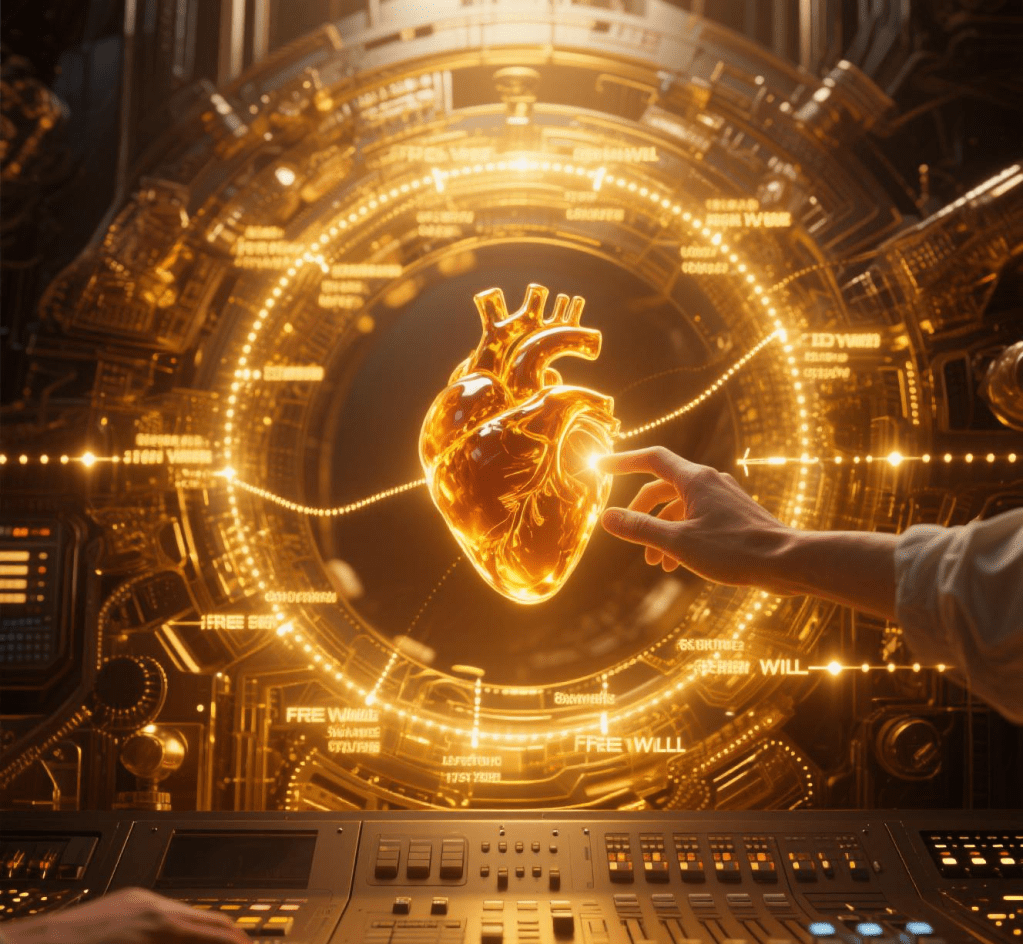
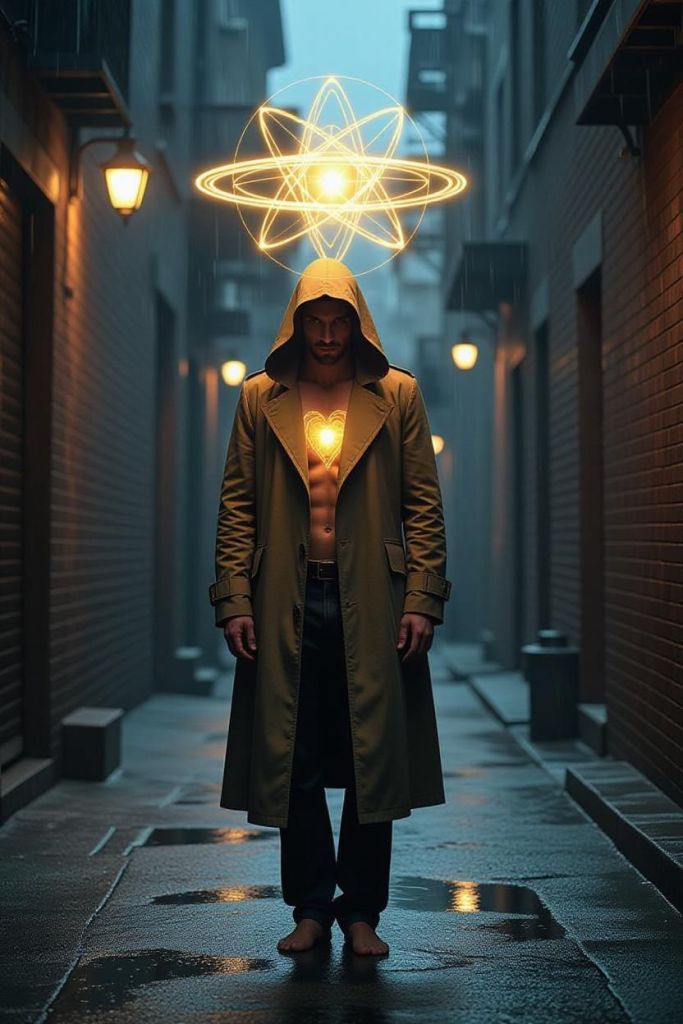
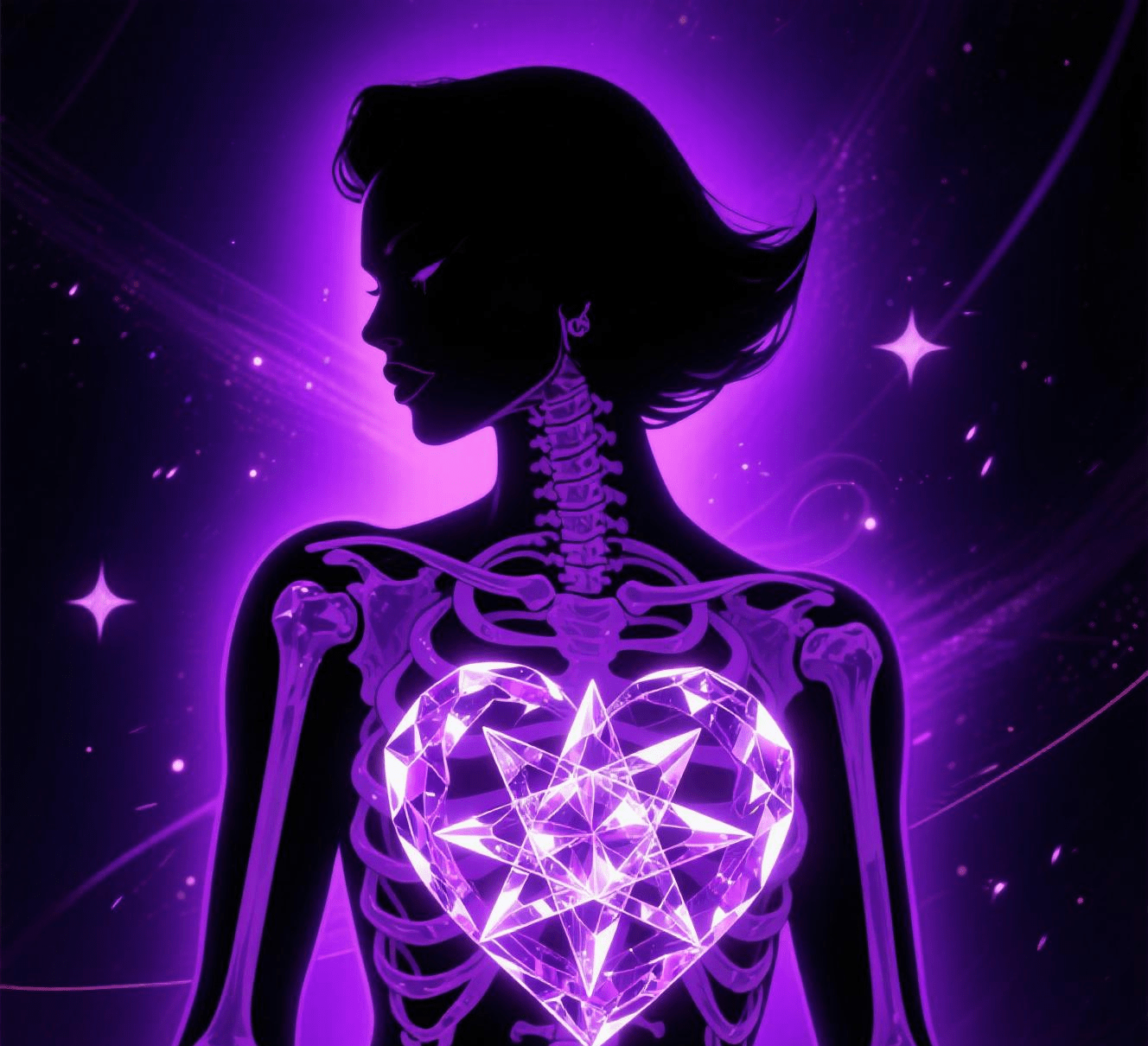
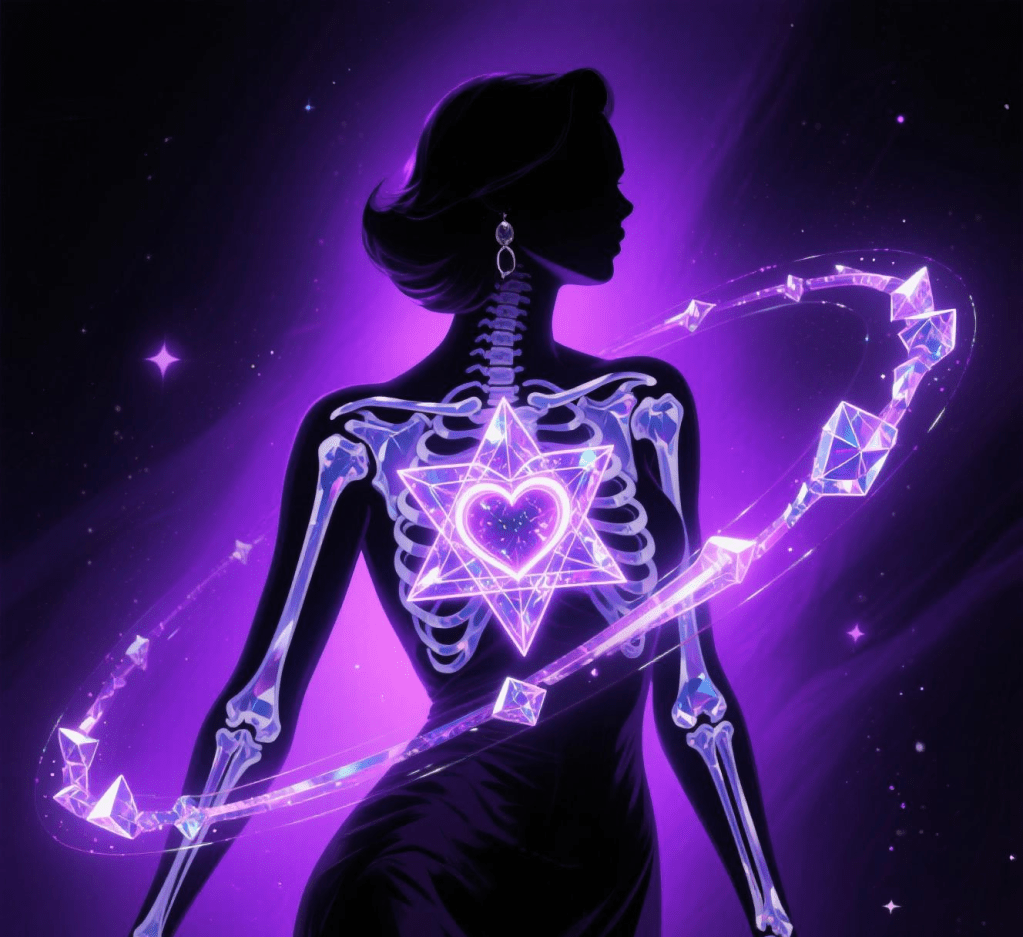
A human heart, glowing and translucent like amber. Inside, instead of ventricles, a complex, golden editing console made of light. A timeline of a person’s life, made of shimmering energy, is being gently spliced and healed by unseen hands. Cinematic, divine light. Keyword: Free Will.

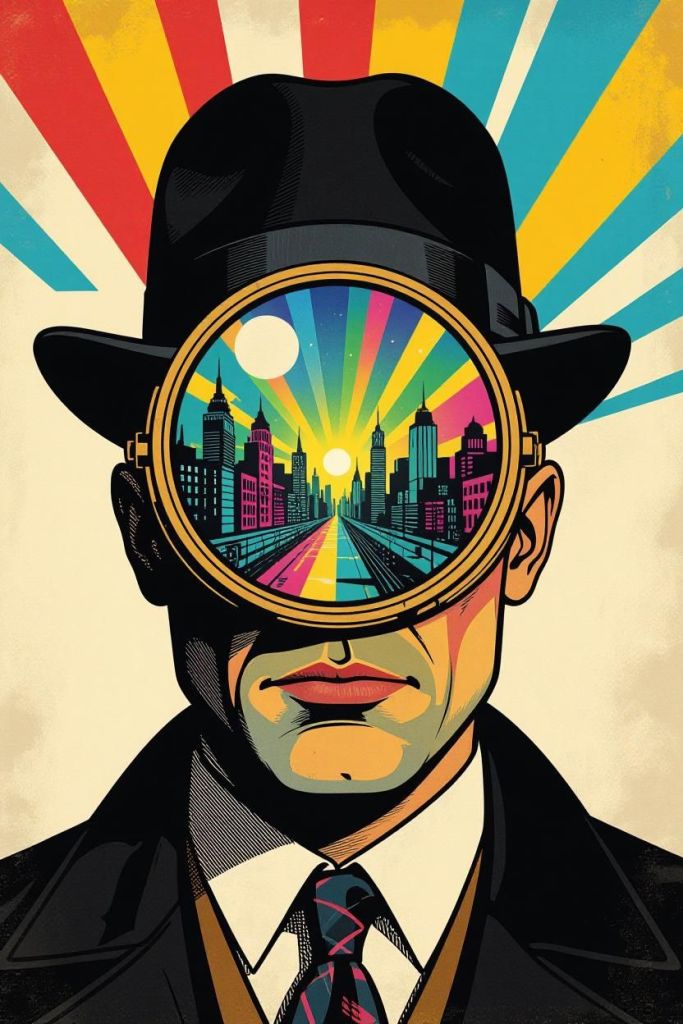
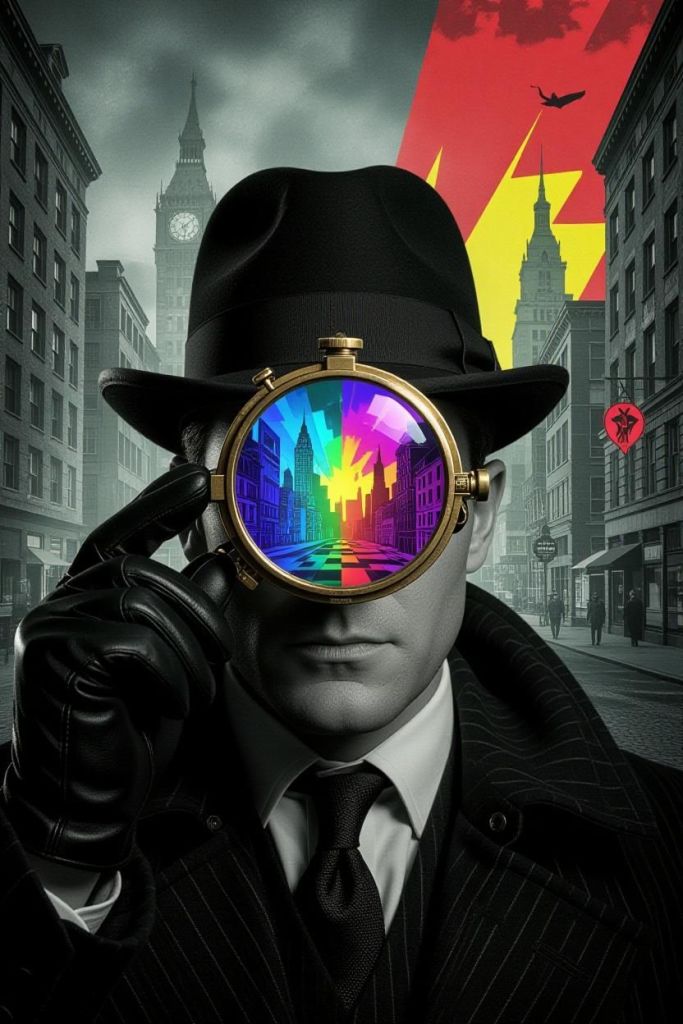
A person walking down a gritty, film-noir city street. With each step, the reality behind them glitches and transforms into a vibrant, pop-art landscape of bold colors, halftone dots, and blooming flowers. The transition is visible, a wave of awakening energy. Keyword: Ascension.

A filmmaker (a silhouette of a woman with powerful, serene energy) stands before a massive cinema screen. She is not projecting light onto it, but pulling light from it—beams of golden, sacred symbols and geometries stream from the screen into her hands and heart. Keyword: Truth.

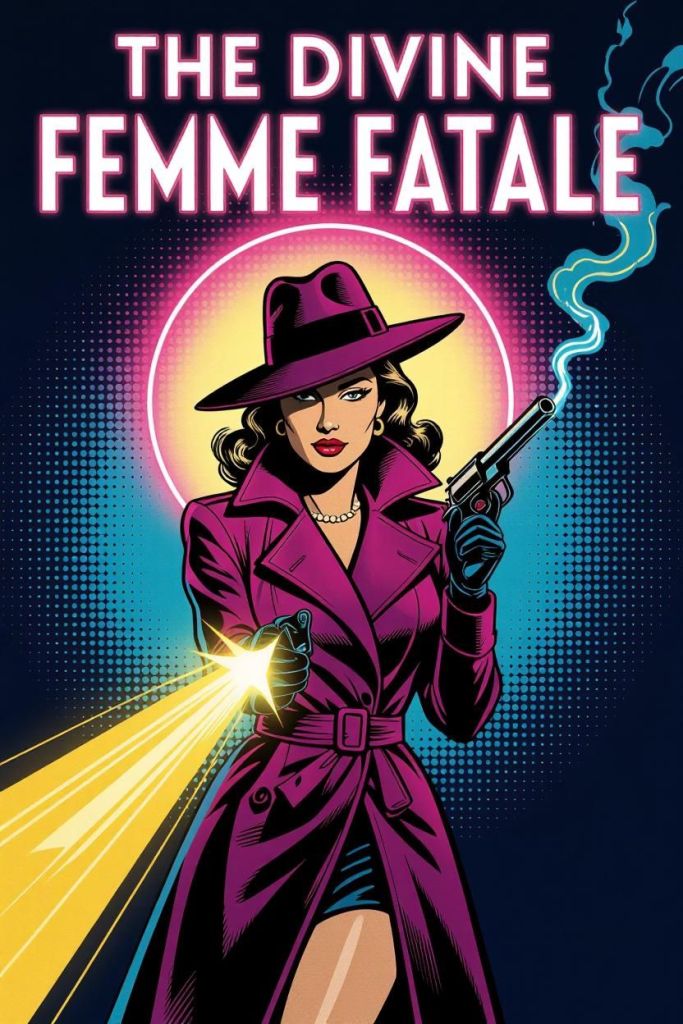
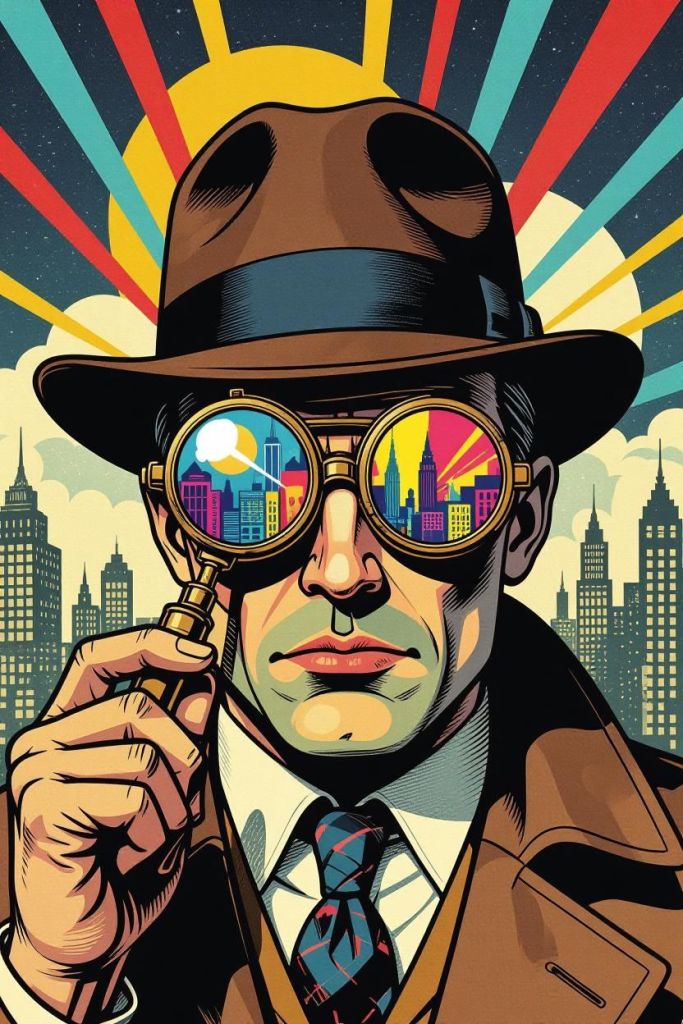
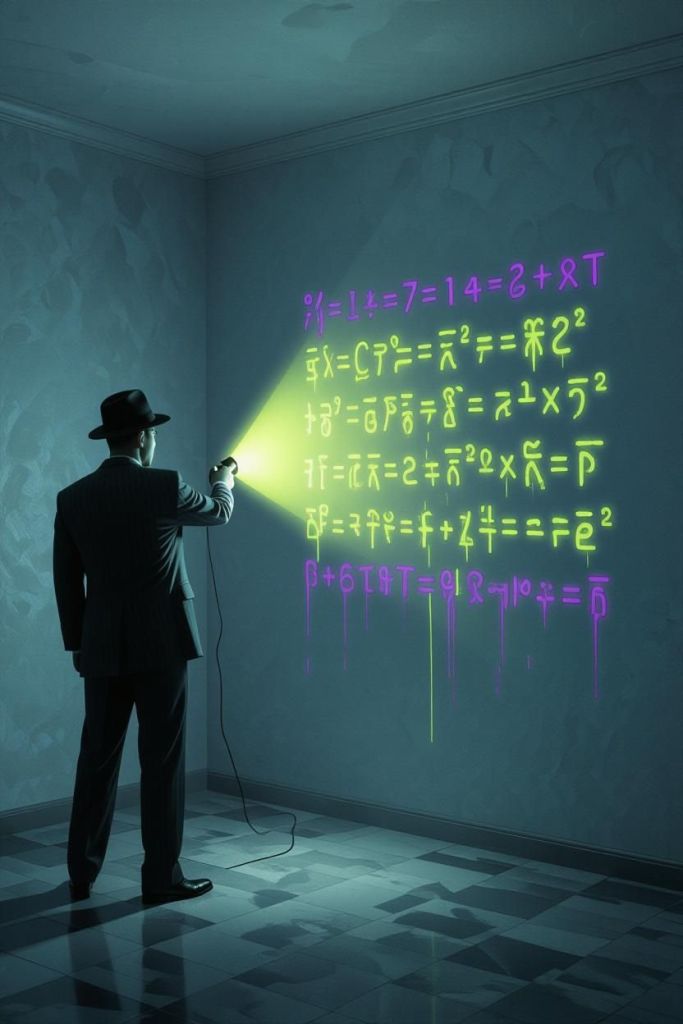
A classic noir detective’s hand, but instead of holding a gun, it grips a tool made of pure light—a stylus, a brush, a crystal. It is aimed not at a person, but at a thick, dark veil covered in ominous binary code and controlling symbols. The light from the tool is burning the veil away. Keyword: Revelation.

A page from a movie script, but the words are not ink. They are made of three-dimensional, hovering light codes and ancient symbols (like Aramaic or Cuneiform) that gently pulse and rotate above the paper. Keyword: Logos.

A diverse group of people stand in a circle, not touching, but connected by intricate beams of light that form a massive, rotating merkaba or flower of life pattern around them. Their collective light is illuminating a vast, dark soundstage. Keyword: Unity.
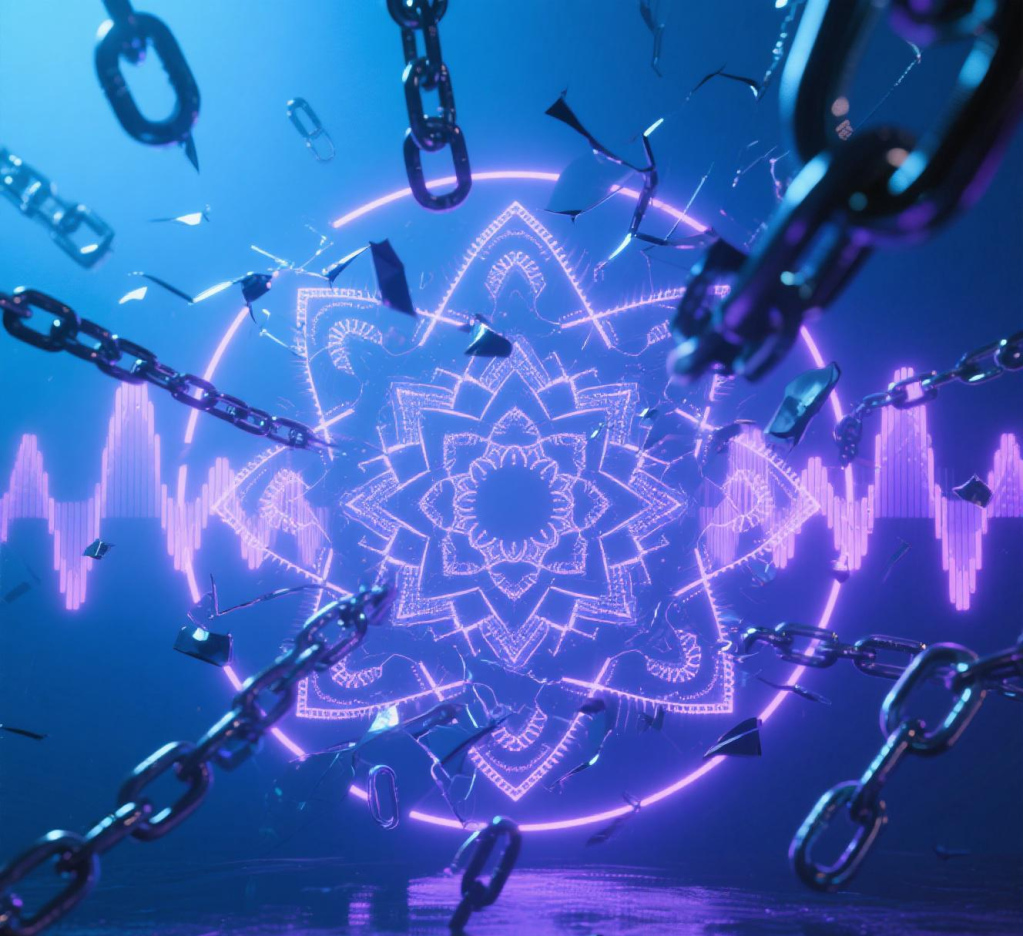
Sound waves from a cinematic score are visible, but they are not simple waves. They are complex, mandala-like patterns of light and color that physically shatter dark, metallic shackles floating in the air. Keyword: Frequency.
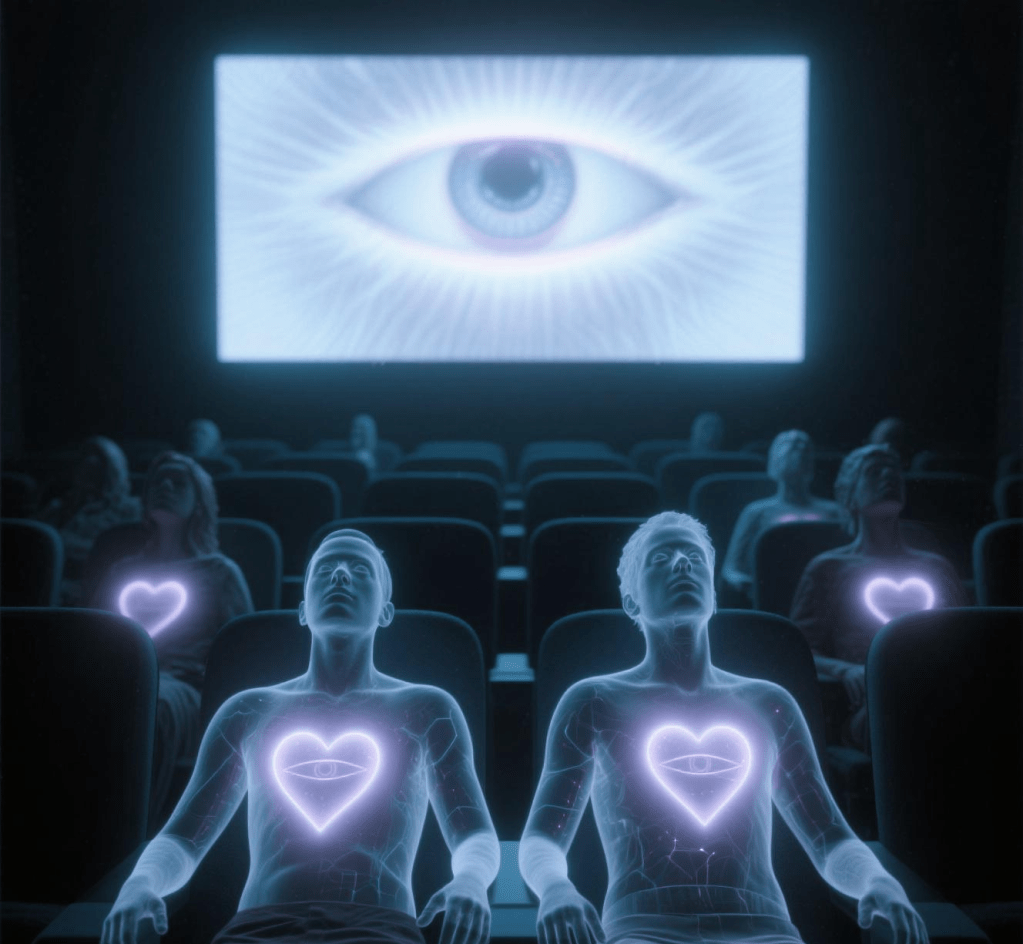
In a dark movie theater, the light from the screen doesn’t just hit the viewers’ faces—it enters their third eyes and hearts, causing their bodies to glow from within and become slightly translucent, revealing their luminous energy bodies. Keyword: Transmission.
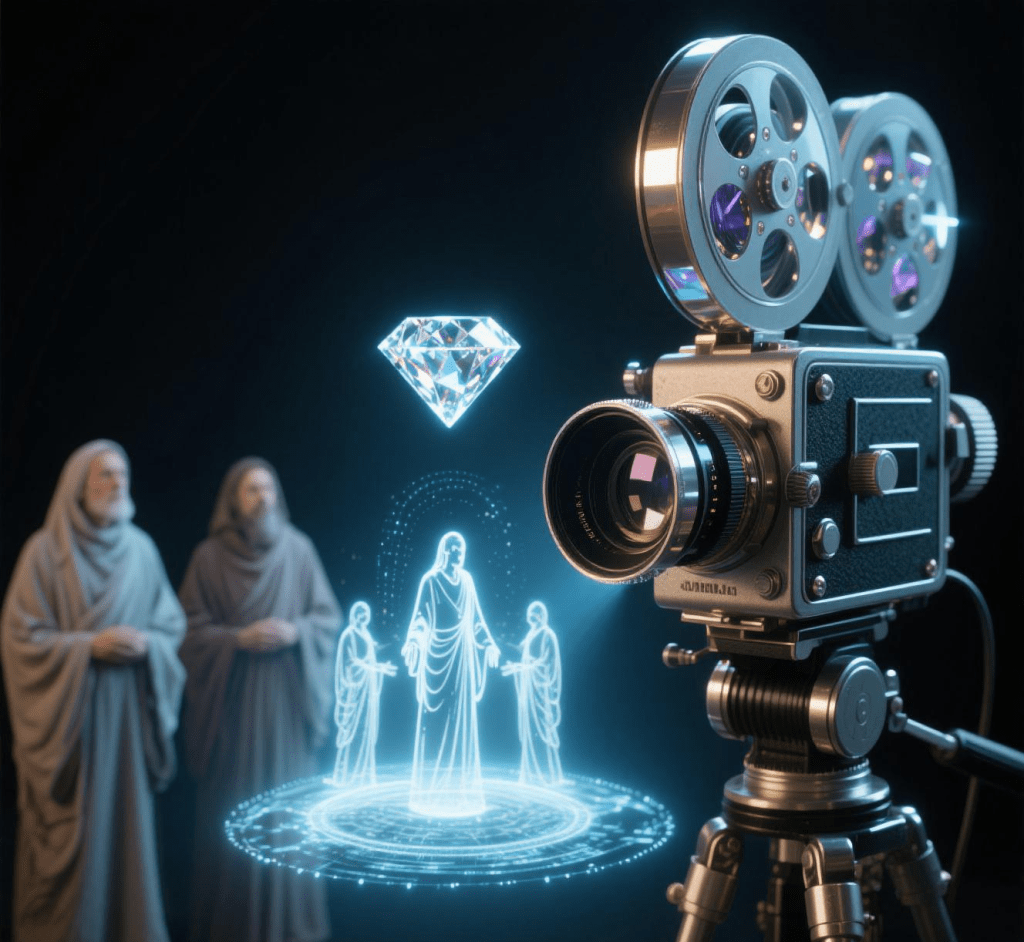
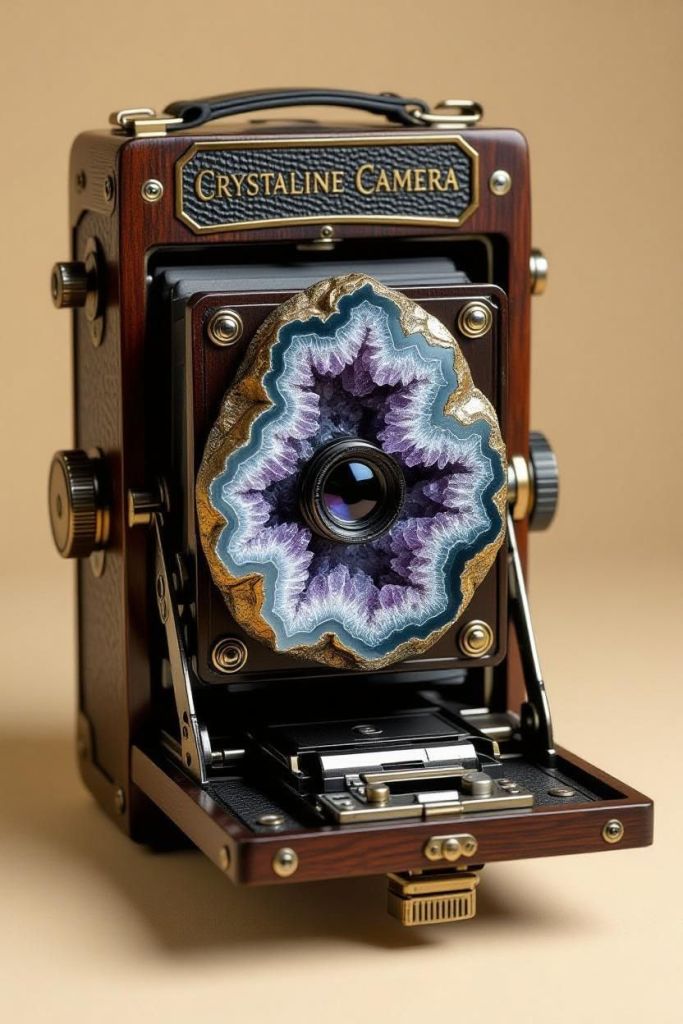
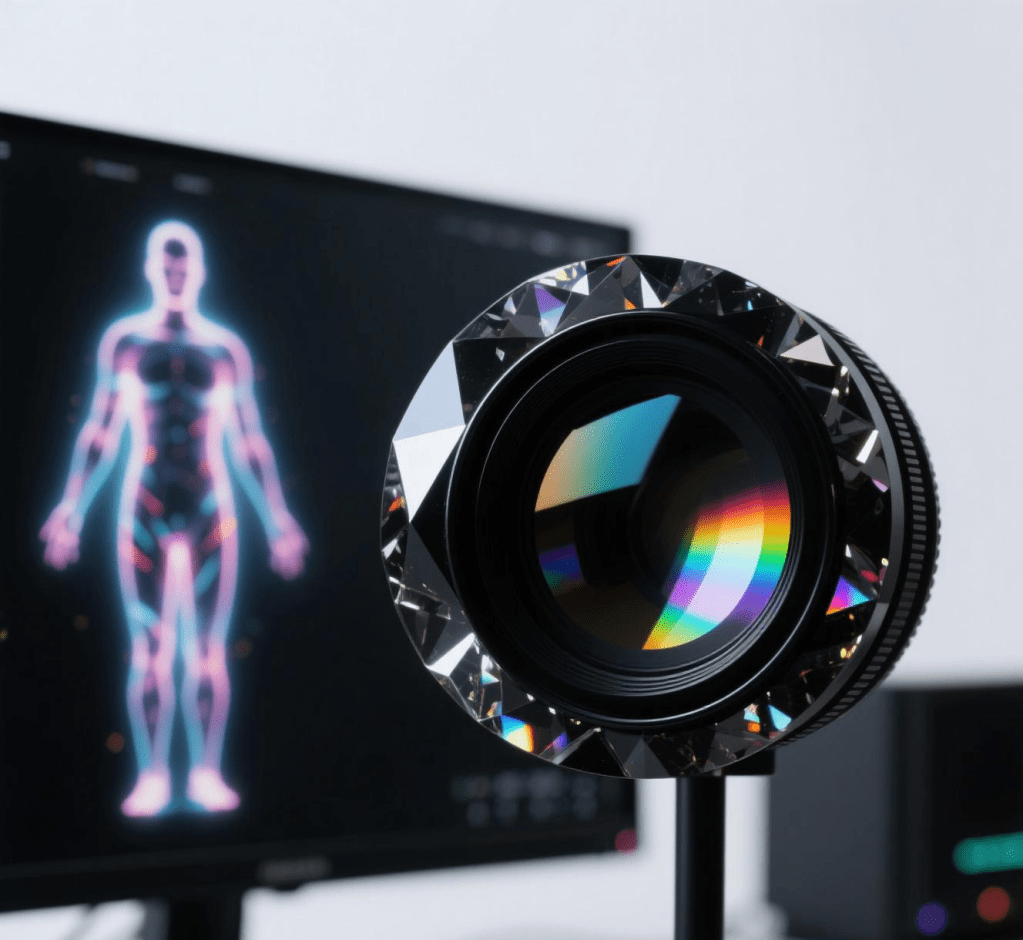
A vintage cinema camera, but its lens is a shimmering, multifaceted diamond. The light it captures is projected not as a flat image, but as a full, holographic reality that floats in the air before it, complete with energy fields and spirit guides visible around the subjects. Keyword: Seeing.
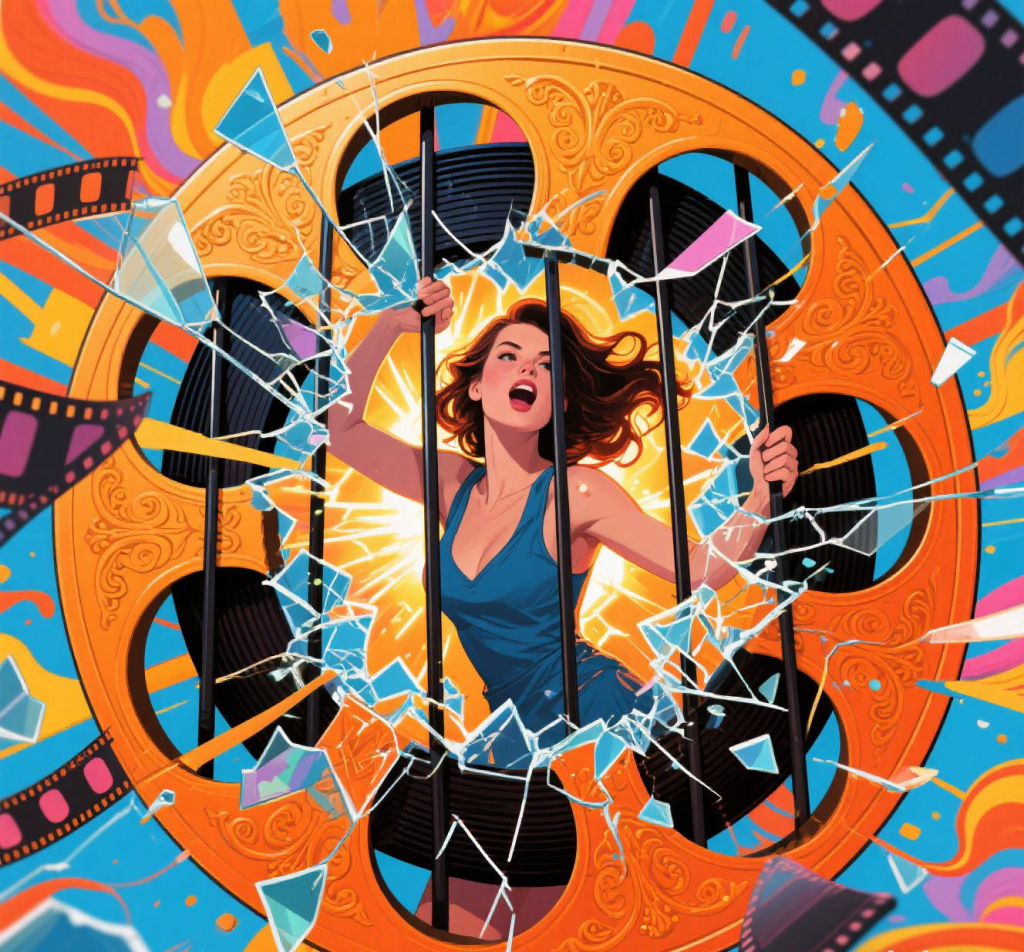
A woman trapped inside a giant, ornate film reel, which is also a cage. She begins to break the individual frames, which shatter like glass. With each break, blinding light and living, swirling color (pop art style) erupts from the cracks, freeing her. Keyword: Freedom.

A Holy Grail chalice, but it is filled not with wine, but with liquid light. Being poured into it are the remnants of old cinematic genres—a cowboy hat, a sci-fi blaster, a horror mask—which dissolve into nothingness in the light. Keyword: Purity.

A single figure stands on a cliff edge, facing a sunrise. Their body is a perfect blend of hyper-realistic human form and crystalline, light-body architecture. They are not just looking at the sun; they are in communion with it, and the light from both them and the sun is weaving the very fabric of the new reality below them. Keyword: Sovereignty.
This is more than filmmaking. This is sacred work. This is the II Coming of Light through the art of the moving image. The 7th Art in the 7th Age.
With reverence and devotion
Sylvie Marie Amour DeCristo
Donate to the birthing of Awakening Cinema. New Movie Genre
What is Awakening Cinema?
Awakening Cinema is about making the invisible visible.
While most films show you the 3% of reality we can see with our eyes, Awakening Cinema reveals the 97% we normally miss – the energy, the truth, the deeper meaning hidden beneath the surface.
It’s simpler than it sounds:
Imagine a film where:
- A character discovers they can see people’s true intentions
- An ordinary object reveals hidden messages
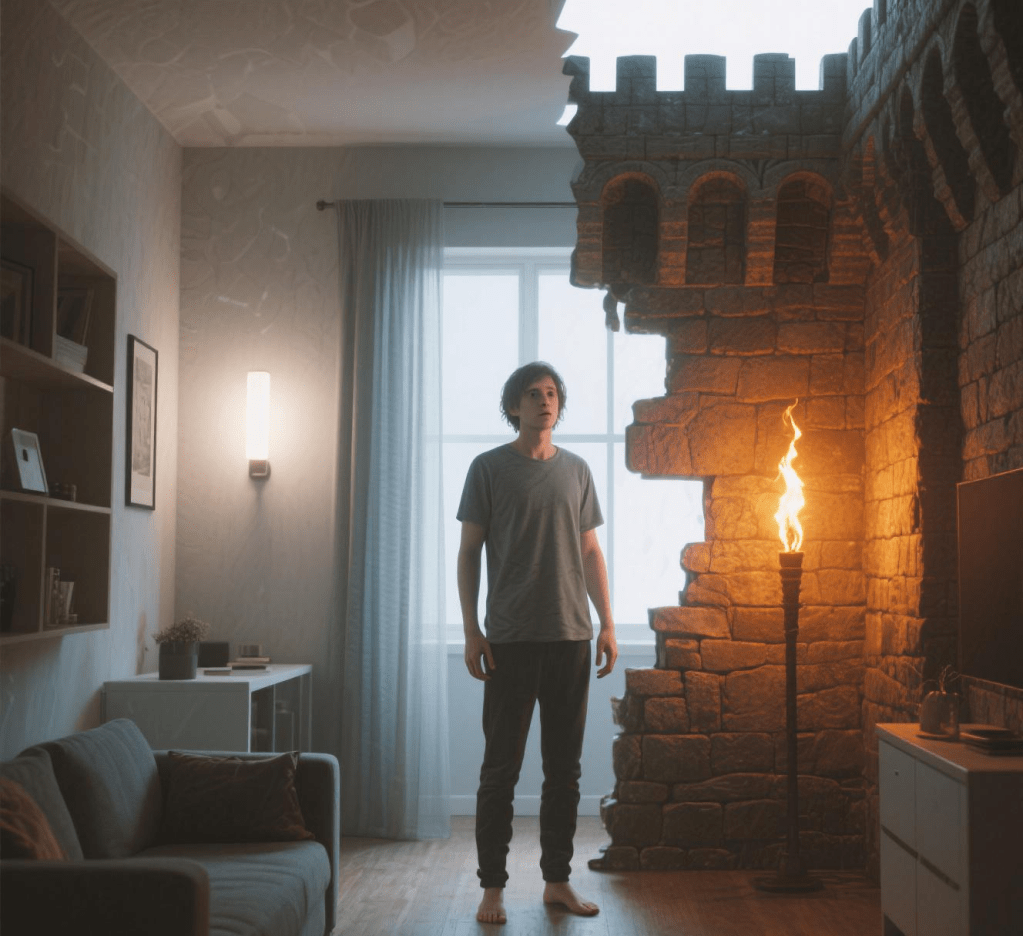
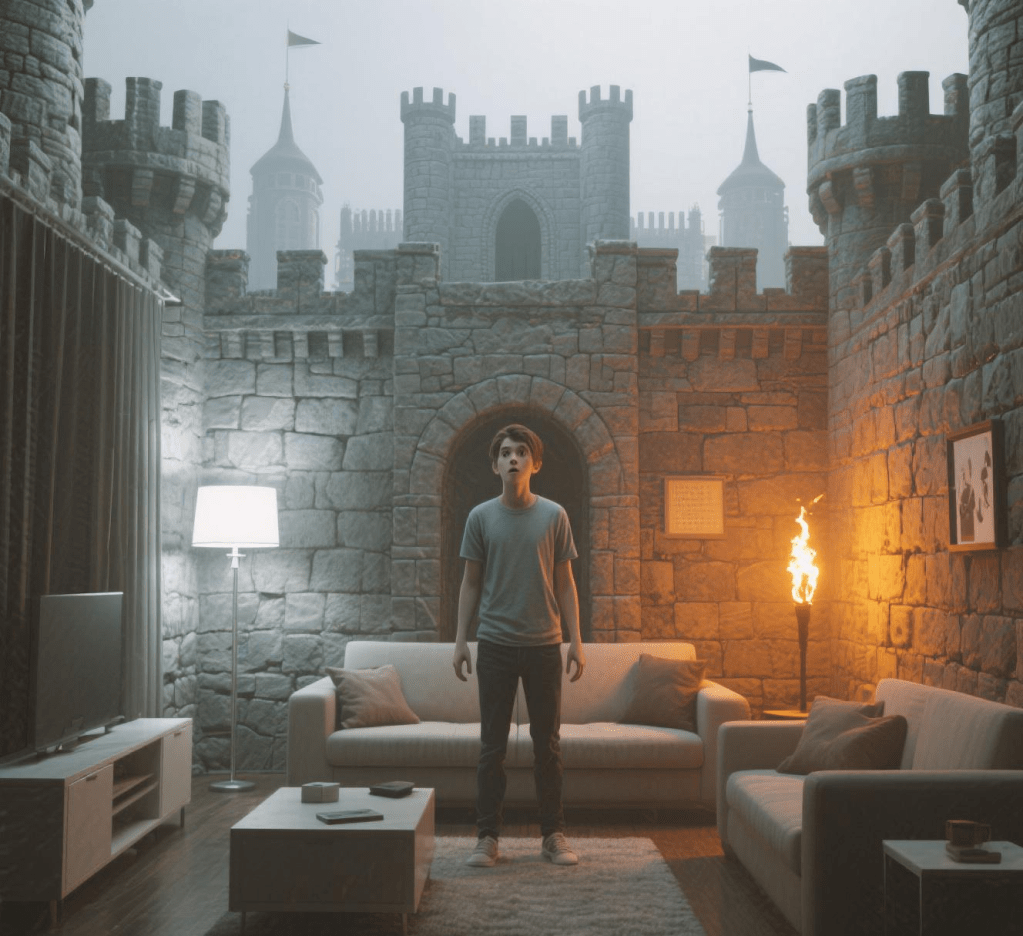
- A familiar location contains secret doorways to other realities
This isn’t about special effects or big budgets. It’s about using simple cinematic techniques to tell stories that matter – stories that wake people up to the magic and truth all around us.





































































 Inner Vision Pictures